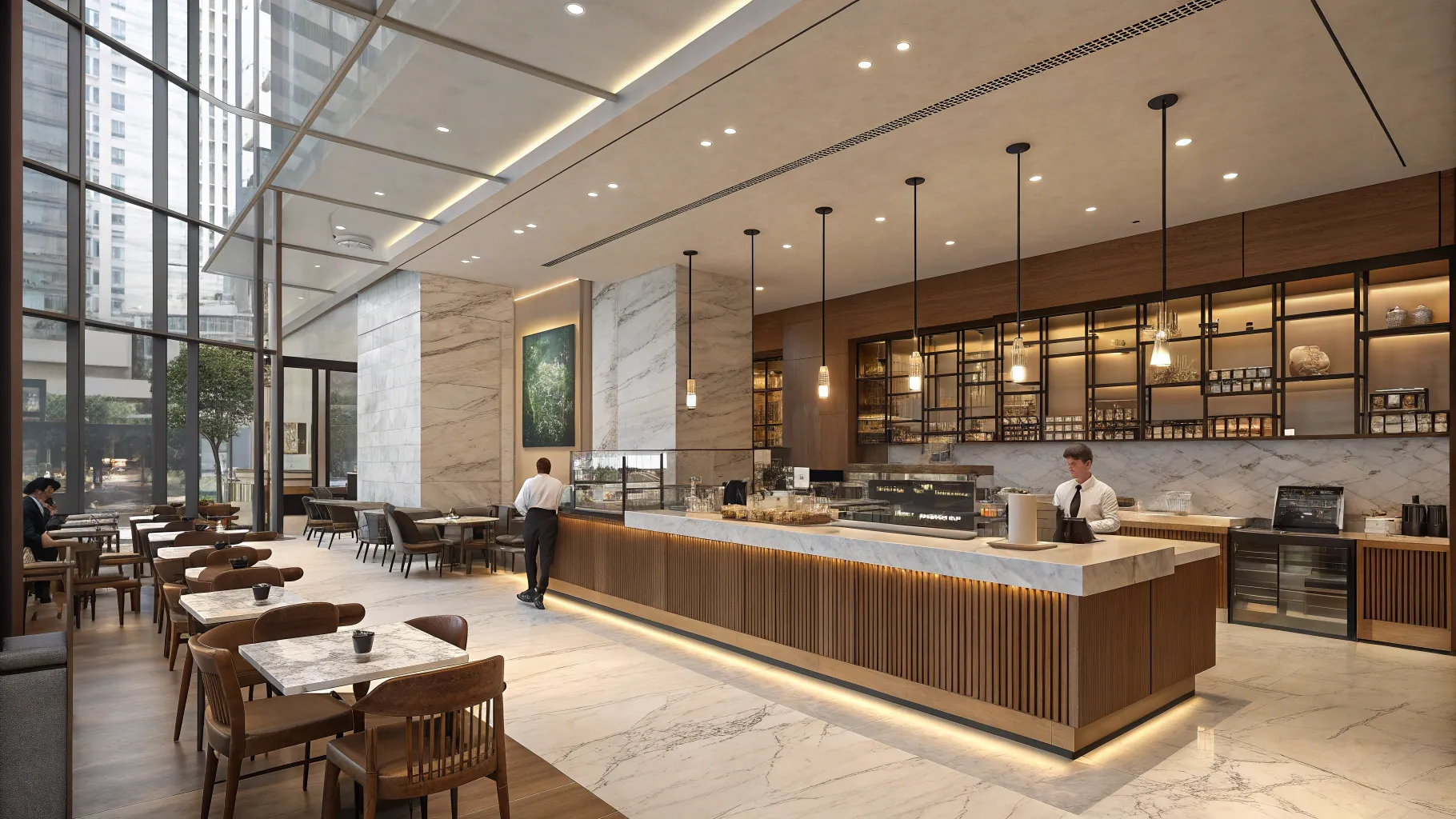
A fast-growing Chinese coffee brand plans to move upmarket by opening a new flagship store, signaling a shift from low-cost drinks to higher-end offerings. The company’s push into the premium market arrives as urban consumers seek better beans, design-led spaces, and expert service. The move highlights rising competition among chains and independent roasters across major cities.
The Chinese coffee upstart is expanding from budget drinks into the premium market with a new flagship store.
From Discount Drinks to Premium Ambitions
China’s coffee sector has expanded quickly in recent years, led first by convenience and price. Chains grew by offering quick service, promotions, and mobile ordering. That approach won mass adoption among students and office workers.
The new flagship marks a different play. Premium positioning often relies on single-origin beans, in-store brewing methods, and trained baristas. It also leans on design, location, and music to elevate the experience.
Analysts say this strategy can lift margins and deepen loyalty if executed well. It also demands stronger sourcing, consistent quality control, and staff training across shifts and seasons.
Why a Flagship Matters
Flagship stores usually serve as brand showcases. They test menus, display new equipment, and host events. They also help shape a company’s identity, which is vital when moving into higher price tiers.
Premium cafés in China often compete on storytelling. They detail farm origins, processing methods, and roast profiles. The upstart’s flagship could mirror that playbook with clearer sourcing claims and limited releases.
Location will be key. A high-traffic district can bring visibility, but rents are high. The brand will need steady footfall and strong repeat visits to cover costs.
What Customers Might Expect
The flagship format points to upgrades across the menu and the space. While the company has not disclosed specifics, premium stores typically feature more brew options and sit-down service.
- Menu: Single-origin espressos, pour-over stations, and seasonal signature drinks.
- Sourcing: Transparent bean origins and roast dates to build trust in quality.
- Experience: Larger seating areas, calmer lighting, and trained baristas guiding choices.
Price will test loyalty. Moving from budget cups to higher prices risks alienating value-oriented buyers. A tiered menu can bridge that gap by keeping entry-level items while adding specialty pours.
Competitive Pressure and Industry Impact
Competition is intense across China’s coffee scene. Global chains, local giants, and boutique roasters all court the same urban customer. Many now run tiered formats, from kiosks to high-end concept stores.
The upstart’s shift could push rivals to refresh premium lines, expand training, or launch flagship revamps. Independent cafés may feel pressure on sourcing and pricing, but they often retain an edge in community and craft.
Suppliers will be watching. Stable demand for higher-grade beans can encourage longer-term contracts. Roasters benefit from predictable volumes, while farms gain clearer signals on quality premiums.
Challenges on the Road to Premium
Premium coffee relies on consistency. Weather shifts can affect bean quality, and staff turnover can disrupt service. The company will need strong training and quality checks.
Digital engagement also matters. Membership programs and mobile apps can showcase limited releases and tasting events. Clear communication about flavor and origin helps justify higher prices.
Scaling premium is hard. If the flagship succeeds, the brand must adapt lessons to smaller stores without losing quality or raising costs too sharply.
What to Watch Next
Industry watchers will look for sustainable pricing, customer feedback, and repeat visits in the first months. They will also watch for collaborations with roasters or growers and possible pop-ups tied to the flagship launch.
If the concept resonates, the company could pilot more premium sites in select neighborhoods. If not, it may keep the flagship as a showcase while emphasizing core budget formats elsewhere.
The new flagship signals a clear bet on higher-quality coffee and a richer in-store experience. Success will depend on execution across sourcing, training, and design. For now, the brand has set its sights higher, and rivals are on notice. Consumers may gain more choice at the top end, while the market tests how far it can stretch from budget to premium.