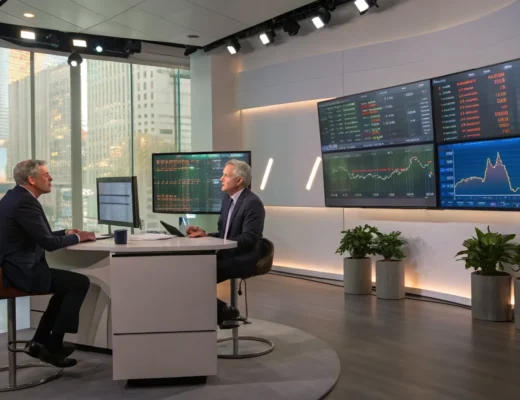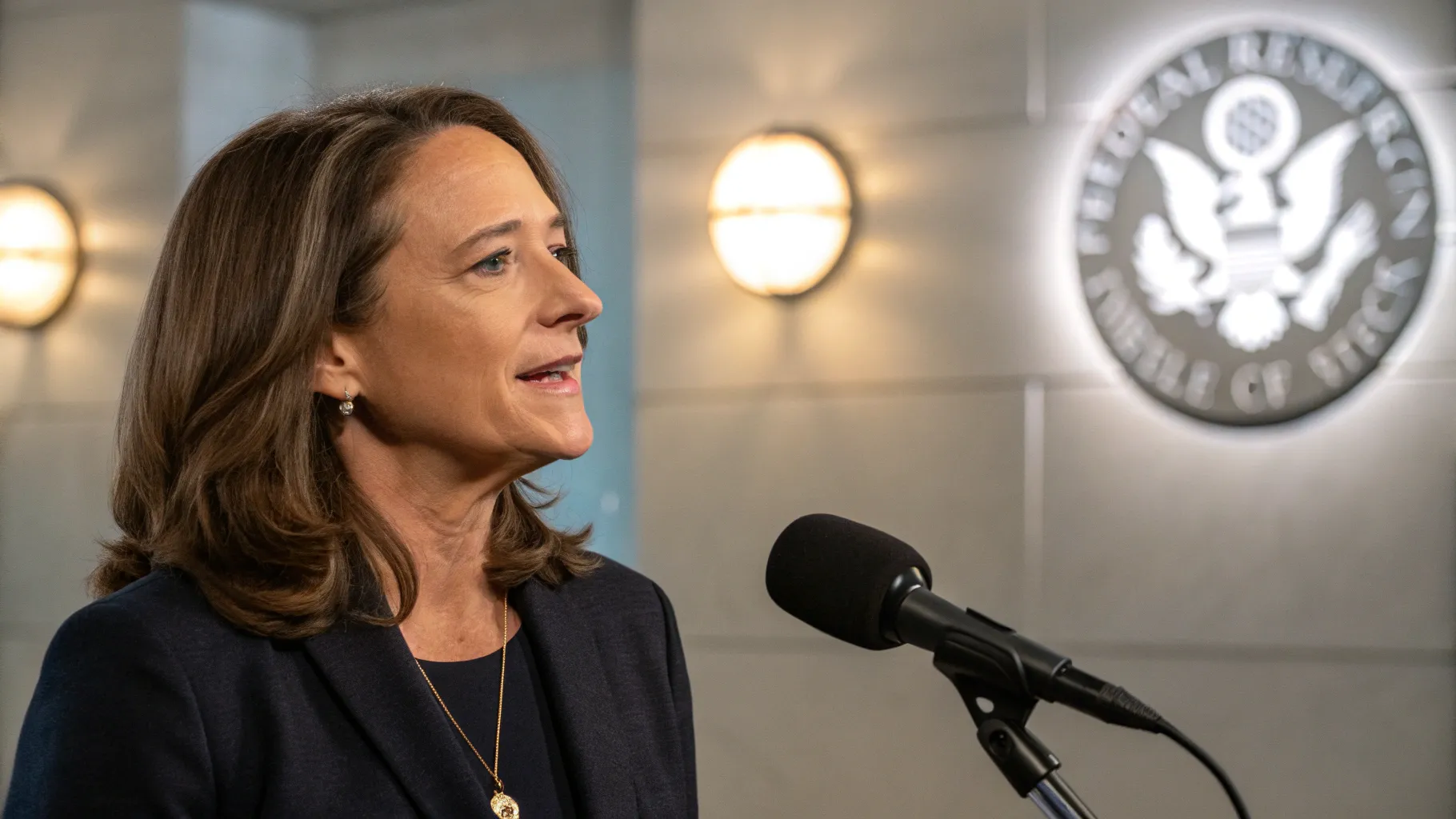
Federal Reserve Governor Michelle Bowman stressed the central bank’s independence in setting interest rates during a televised interview ahead of a day-long conference on bank regulation she is hosting at the Fed. Her remarks arrive as former President Donald Trump steps up attacks on the Fed and Chair Jerome Powell for not cutting rates to his liking, raising fresh questions about political pressure on monetary policy.
Bowman, a member of the Fed’s Board of Governors, said the central bank will continue to base decisions on economic data and its legal mandates. The comments set the tone for a policy week in which officials face scrutiny from markets, elected leaders, and banks preparing for new rules.
Reaffirming the Fed’s Independence
“It’s very important … that we maintain our independence with respect to monetary policy,” Bowman said in a CNBC interview.
The statement echoes a long-held stance at the Fed. Independence is intended to shield rate decisions from short-term political goals. The Fed’s dual mandate is clear: achieve stable prices and maximum employment. Officials often argue that credibility on inflation anchors borrowing costs and supports steady growth over time.
Bowman spoke before a regulatory conference, signaling that policy autonomy is not only about interest rates but also the rules that guide bank balance sheets and lending. That message resonates with banks watching for changes to capital and liquidity standards.
Political Pressure and the Powell Factor
Trump has criticized Powell for keeping rates higher than he wants. His public comments have amplified a wider debate about whether borrowing costs are slowing the economy more than needed. Powell has said the Fed will cut or raise rates only when incoming data support it, not on political timelines.
Such clashes are not new. Presidents from both parties have pressed the Fed before. Past episodes show that markets can react sharply if they sense policy is swayed by politics. Investors typically price in higher inflation risk and demand more compensation to hold long-dated bonds when they doubt central bank resolve.
Economic Backdrop and Policy Choices
Inflation has eased from earlier highs but remains near or above the Fed’s 2 percent goal in key categories. Hiring has cooled from a breakneck pace, yet the labor market is still tight by historical standards. The Fed has kept its policy rate at a restrictive level to finish the job on inflation without causing a deep downturn.
Bowman’s emphasis on independence suggests officials want leeway to either hold steady or cut when the data turn. That flexibility matters for banks and borrowers navigating credit costs and balance-sheet risks.
- Price stability remains the Fed’s anchor.
- Rate decisions hinge on inflation and jobs data.
- Clear communication helps keep market expectations in check.
What It Means for Banks and Markets
Banks face a tougher rate environment and stricter oversight. Higher funding costs, shifting deposit bases, and new capital rules are front of mind. Bowman’s forum on regulation points to continuity in supervisory priorities even as the rate path evolves.
For markets, a firm stand on independence lowers the odds of abrupt policy swings. If inflation cools further, gradual rate cuts could follow. If price pressures persist, officials will keep policy tight. Either path depends on data, not campaign calendars.
History and Precedent
From the 1951 Treasury-Fed Accord to recent cycles, the central bank has worked to separate short-term political aims from monetary strategy. Periods when that line blurred often ended with higher inflation and more painful fixes. The lesson for officials today is clear: protect credibility, explain decisions, and avoid quick pivots that could unmoor expectations.
Bowman’s remarks reinforce that message at a delicate moment. They serve as a reminder that the Fed’s job is to balance inflation and jobs, even when political voices grow louder. Investors, banks, and households should watch how upcoming data shape the next steps. Signs of durable disinflation would open the door to gradual easing; stickier prices would argue for patience. Either way, the Fed is signaling it plans to decide on its own terms.