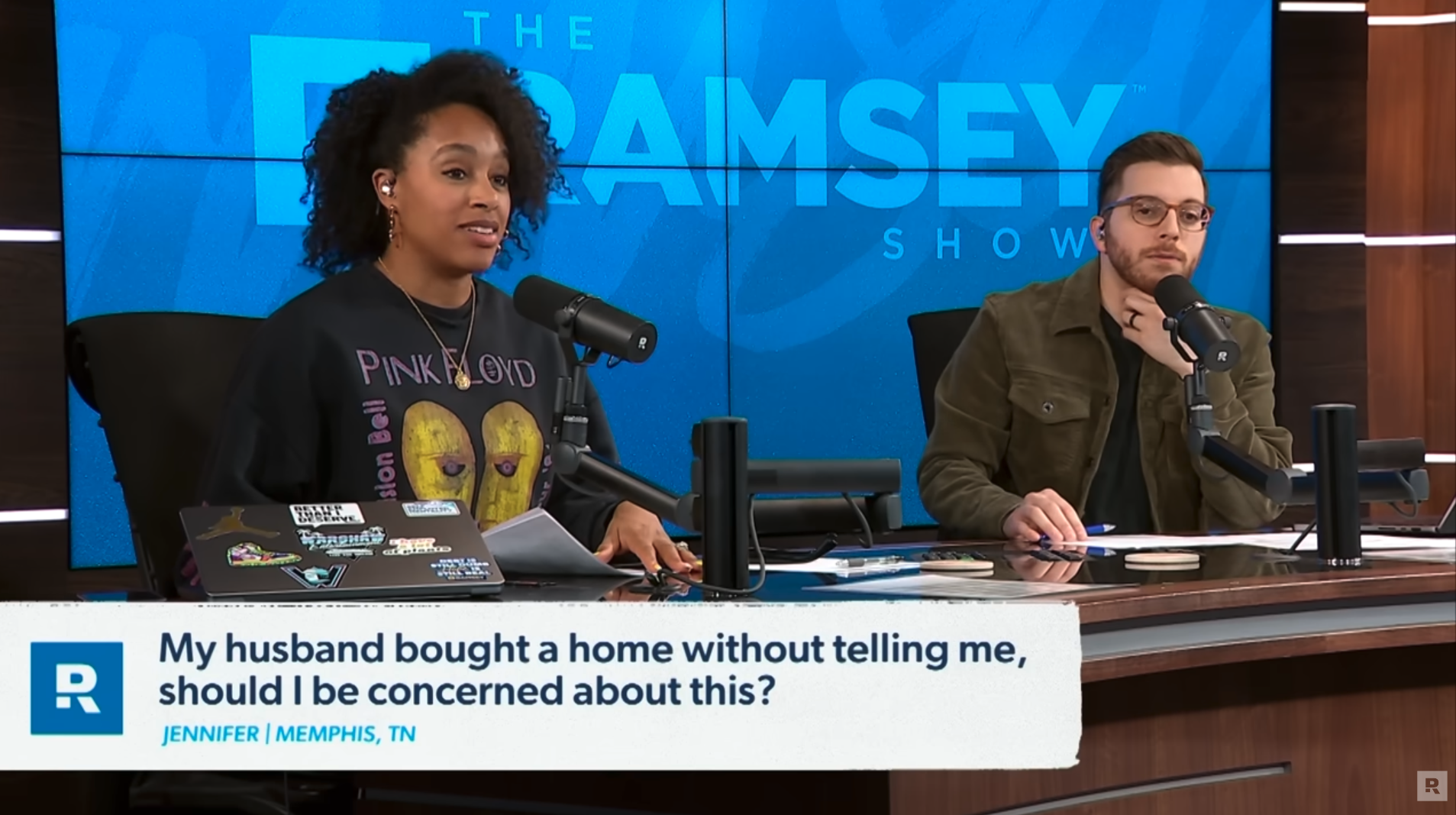
Yesterday, a caller named Jennifer described something I hear far too often: her husband bought a $750,000 “investment” house without telling her. He texted after the auction win. Not before. Not during. After. My stance is simple and firm: this isn’t savvy investing; this is financial infidelity.
Money fights aren’t only about math. They’re about trust, respect, and shared decision-making. If a spouse makes a six-figure move in secret, the balance sheet isn’t the crisis; the marriage is. I write and teach Ramsey’s principles because they push clarity and unity. This situation demands both.
The Real Problem Isn’t Risk; It’s Respect
In Jennifer’s own words, her husband is bright, strategic, and often right. He even researched the property and “didn’t think he’d get it.” That does not matter. Competence doesn’t excuse secrecy. Investment wins do not repair a broken process.
“If you can call me right after the deal, you could have called me right before the deal.”
That line cuts to the heart. Time wasn’t the barrier. Consent was. He chose speed and surprise over partnership. And yes, the show called it what it is:
“This is still financial infidelity.”
Some will argue, “But he’s had great outcomes.” No. Results don’t sanitize disrespect. If someone hid months of flirting before cheating, the planning wouldn’t soften the betrayal. Same here. Secret money moves break trust.
What Healthy Money Unity Looks Like
Healthy couples decide together, long before an auction paddle goes up. They set limits. They agree on process. Small purchases get leeway; life-changing ones don’t.
“My wife and I don’t make purchases over $500 without talking about it first, let alone 750,000.”
I’m not demanding every household copy that exact dollar mark. I am saying every household needs one. If you share a life, you share the decisions that can change it.
Stop Arguing About Risk Tolerance
Jennifer called herself risk-averse and him a risk-taker. That’s normal. The real issue isn’t risk appetite; it’s voice. Does your vote count when it matters? If not, the pattern won’t stop. Debt used “to build wealth” becomes a smokescreen for bulldozing a partner.
“It doesn’t matter how smart he is… what matters is: do I matter?”
That’s the core. Without that, every “discussion” turns into a lecture with a receipt.
What To Do Now
First fix the relationship process. Then decide the fate of the property. Reverse that order and you’ll keep chasing fires.
- Call the behavior what it is. Name it: financial infidelity. No hedging.
- Draw a clear boundary. “This will not happen again.” Mean it.
- Create a joint decision rule. Set a dollar limit that requires a yes from both.
- Schedule money meetings. Weekly, 30 minutes, no phones. Review plans and risks.
- Agree on process for deals. Written criteria, max bid, funding plan, exit plan before bidding.
- Decide consequences. If the rule is broken again, what happens? Be specific.
Only after that should the couple evaluate the house: real numbers, carrying costs, financing risk, timeline, and whether selling is the smarter exit. But again, the spreadsheet comes after the standard.
My Take
I admire Jennifer’s restraint. Most wouldn’t have it. But restraint without a line in the sand invites a replay. Silence reads like permission. If this stands, it will stand again, only bigger.
Ramsey’s playbook is plain: unity first, process second, numbers third. You don’t build wealth while breaking your spouse’s trust. You don’t “win” an auction that costs your marriage. Money can grow back. Trust, once burned, grows slow.
Draw the line. Set the rule. Rebuild the team. Then go win together.
Frequently Asked Questions
Q: How do we set a fair approval limit for purchases?
Pick a number that would sting if it went wrong. Many couples start at $200–$1,000. The key is both agree that anything above it requires a yes from each spouse.
Q: What if my spouse says secrecy is okay because “it was a great deal”?
Great deals don’t excuse broken trust. Make it clear the process matters more than the profit. Agree on rules first; pursue deals second.
Q: Should we keep the property or sell it?
Decide after repairing the decision process. Then run the numbers: cash flow, carrying costs, financing risks, and timeline. If it strains unity or cash, sell.
Q: How can we prevent surprise buys in the future?
Hold a weekly money meeting, set a purchase limit, and use a written deal checklist. No checklist, no deal. Consequences for breaking the rule should be clear and enforced.