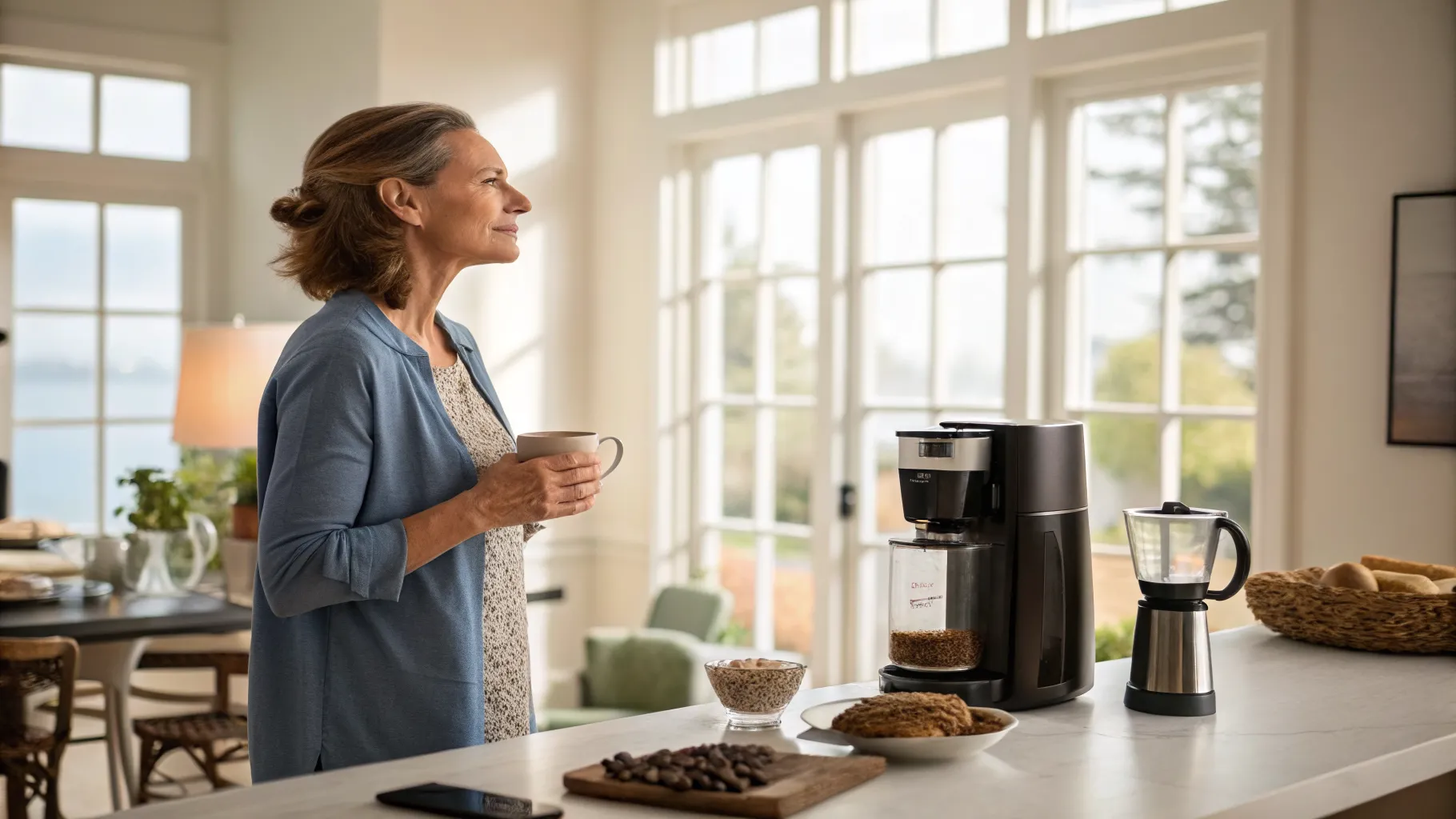
In New York, a lifelong coffee drinker is rethinking her morning routine, reflecting a wider shift in how Americans start their day. Chandra Donelson, who has treated coffee as a daily ritual since youth, is weighing taste, health, and cost in new ways. Her story mirrors a broader reassessment happening at counters, cafés, and home kitchens across the country.
“For years, it was a daily McDonald’s trip for a cup of coffee with 10 sugars and five creams. Later, it was Starbucks caramel macchiatos with almond milk and two pumps of syrup.”
“Coffee has been a morning ritual for Chandra Donelson since she was old enough to drink it.”
Shifting Habits Meet a Changing Market
Americans have long relied on coffee for focus and comfort. Over the past decade, premium drinks became common as chains expanded menus and customization. Now, more customers are moderating sweetness, choosing smaller sizes, and brewing at home to control ingredients and spending.
Health guidelines are part of that recalculation. The Food and Drug Administration says most healthy adults can consume up to 400 milligrams of caffeine per day. The Dietary Guidelines for Americans advise limiting added sugars to less than 10% of daily calories. Flavored lattes and macchiatos can carry 25 to 40 grams of sugar, depending on size and syrup, pushing many to cut pumps or switch to unsweetened options.
Health Trade-Offs Come Into Focus
Nutrition experts say small changes can make a difference without ditching coffee. Reducing syrups, swapping to milk with less sugar, or skipping whipped toppings trims calories and sweetness while keeping the core routine intact. For some, alternating between regular and decaf helps manage caffeine while preserving the ritual.
Consumers are also paying closer attention to labels. Chains now list calories and ingredients, and some provide more detail about sugar and caffeine levels. That transparency is prompting new choices, especially for people tracking daily limits.
Prices Nudge More People Home
Rising costs since the pandemic have pushed more brewing at home. Supermarket coffee prices remain higher than in 2019, and specialty drinks at cafés are often five dollars or more. For regular buyers, that adds up fast.
Home equipment sales surged in recent years, from single-serve machines to pour-over gear. Many drinkers now split their routines: a basic cup at home on weekdays and a treat drink on weekends. That compromise keeps the ritual alive while easing costs.
- Cutting one syrup pump can remove about 15 to 20 calories per ounce of syrup.
- Pour-over and French press methods help control strength and flavor without extra add-ins.
- Iced versions can taste sweeter; fewer pumps often still feel balanced.
Coffee Shops Adapt to Changing Tastes
Chains and independent cafés are responding with menu tweaks. Many offer default “light syrup” options, more unsweetened flavors, and non-dairy milks. Some are testing lower-sugar sauces and posting clearer guidance on caffeine for popular sizes. Seasonal menus now feature more cold foam variations and half-sweet recipes.
Baristas report a rise in custom orders. Requests for “one pump,” “half-sweet,” and “no drizzle” are routine. Customers also ask for stronger coffee with less milk, or cold brew cut with water to reduce intensity while keeping flavor.
What Comes Next for the Morning Cup
The next wave will likely bring more transparency and control. Expect clearer sugar and caffeine disclosures, wider use of zero- or low-calorie sweeteners, and subscription deals that reward simpler orders. At home, reusable pods and refill stations may help trim costs and waste.
For Donelson and many others, the goal is not to give up coffee, but to make it work better for daily life. That can mean fewer sweeteners, different sizes, or shifting more brewing to the kitchen.
The takeaway is clear: the ritual is staying. How it is flavored, financed, and brewed is changing. Watch for menus that highlight lighter options and for home gear that makes barista-level coffee with fewer extras.