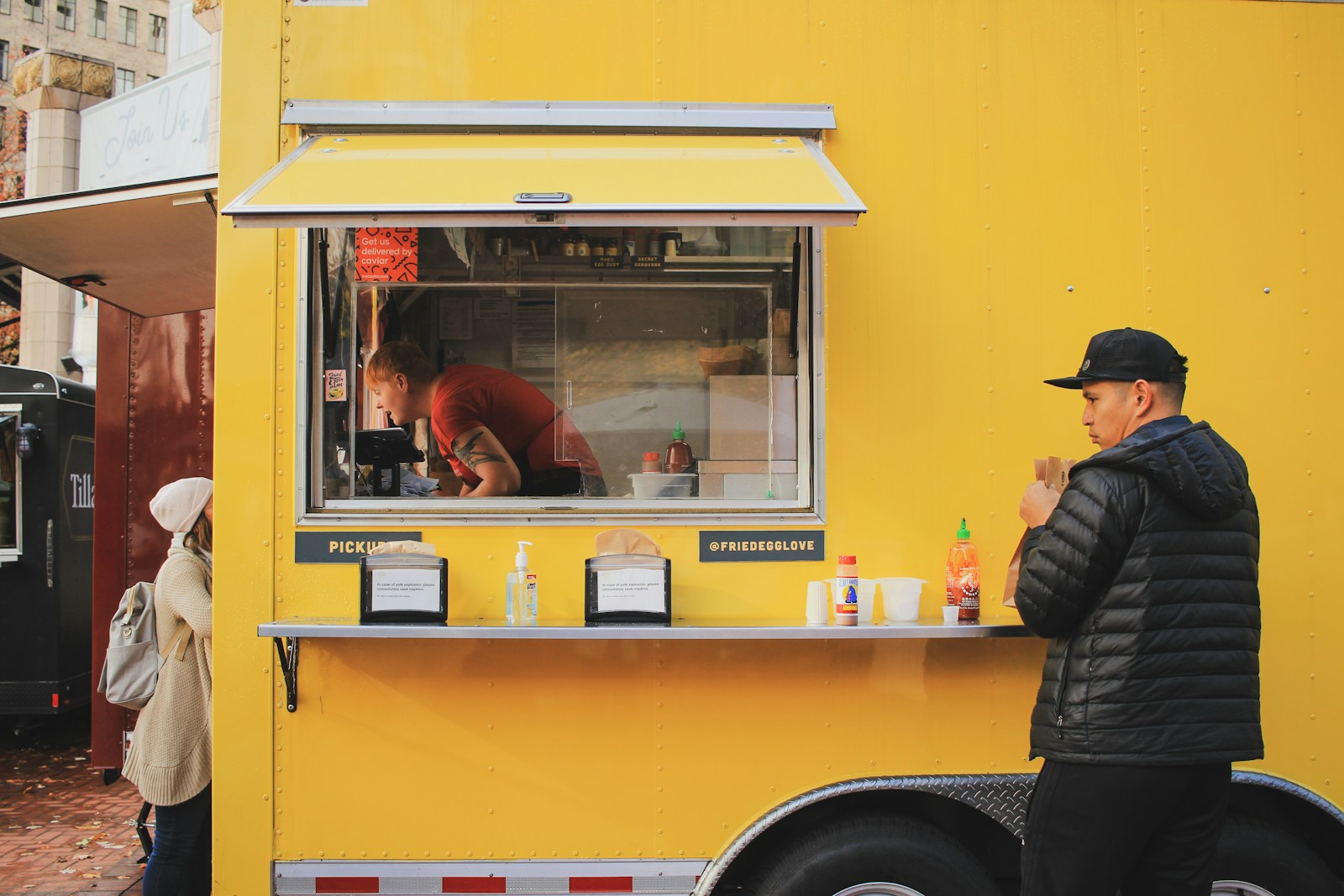
Fatboy Fried Rice has grown from backyard plate sales to a four-truck operation serving thousands across Jacksonville, Florida. Led by friends-turned-founders Joshua and Ryan, with JM (“Double J”) managing on the line, the team turned a $250 start into a business projecting $600,000 to $650,000 in annual revenue. Their story offers a clear look at how to validate a concept, control costs, build consistency, and scale a food truck brand while avoiding common mistakes that sink many new operators.
How It Began
The founders grew up together in the Philippines, moved to Florida as kids, and reconnected in Jacksonville. With little money but a shared work ethic, they started small. They cooked in their parents’ backyard, photographed plates, posted them on Instagram, and accepted orders through DMs. Demand was instant. They hoped for five orders on the first day and got 60.
“We were literally selling food out of our parents’ backyard.”
Social media carried their idea into the community. They posted often, made the food look great, and kept the menu focused. By proving the concept before investing heavily, they kept risk low and cash moving. The early response set the tone for everything that followed.
“By proving a concept first, we basically eliminated the risk.”
The Business at a Glance
Today, Fatboy Fried Rice runs four trucks; Three under the Fatboy brand and one focused on Filipino-Hawaiian dishes. A modest commissary serves as the hub for prep, storage, and logistics. The team runs consistent hours, maintains strict quality control, and leans on social media for marketing rather than paid ads. They have also learned to balance high-demand windows with slower periods, and they keep inventory tight to avoid stockouts.
- Monthly revenue: About $55,000 across the trucks.
- Projected 2025 revenue: $600,000 to $650,000.
- Revenue mix: 80% food trucks, 10% online orders, 5% catering, 5% merchandise.
- Main commissary rent: About $1,000 per month, including electric.
- Startup path: Backyard plates ($250) → used truck ($16,000) → new build ($48,000).
Proving the Concept with Almost No Budget
The first “business” was simple: cook plates at home, post on Instagram, and deliver. The initial outlay was about $250 for food and disposable supplies. From there, every sale funded the next batch. The early momentum allowed them to save for the first used truck and limit debt. Parents pitched in a small amount, which they paid back quickly once sales grew.
They bought the first used food truck for about $16,000. Permits cost roughly $1,000, and they set aside another $1,000 for opening inventory plus about $250 for gas and propane. It took about three months to earn back that first big investment and six months to pay themselves and see a profit.
“We hoped for five orders and ended up with 60 orders.”
Building the Operation: From a Single Truck to Four
Growth was steady and measured. The second truck came about 18 months after opening the first. As demand picked up, they added more trucks, standardized systems, and opened a second location to capture a strong night crowd. Each truck runs a similar menu and process, which makes training and quality checks easier.
The newest truck build cost about $48,000. The founders came to that investment with a blueprint, including the layout, equipment, and line flow. They knew what worked on the menu and what volume to expect. With those details dialed in, a larger build made sense. But they still recommend a different route for beginners: buy used on Marketplace to test ideas before spending big.
Money and Metrics that Matter
A business like this runs on the details. The team knows their average ticket size (about $25 to $30) and how many tickets they need in a shift to hit targets. When they set a five-hour stretch goal of $1,800 in sales, they outlined the math: about 40 to 45 orders. They finished the day at $1,773, which is just shy of the target but still a strong run for a weekday shift.
- Average ticket: $25–$30.
- Shift target: $1,800 requires roughly 40–45 tickets.
- Five-hour challenge outcome: $1,773.
- Main location open days: five per week; second location: four per week.
Revenue distribution across the fleet shows where the business is strongest. The first truck produces about 50% of the total, the second about 30%, and the remaining two split the final 20%. That mix reflects location choices, hours, and customer habits in each area.
Menu, Pricing, and Margins
Fatboy Fried Rice serves Asian-inspired fried rice plates with toppings spanning Korean, Japanese, Filipino, and Hawaiian flavors. The approach stays tight enough to keep prep and service smooth, while still giving customers room to personalize their plates with different proteins and sauces. The team also rotates lemonade flavors, paired with fresh-made syrups, to keep add-on sales interesting.
Two dishes stand out across locations. Bulgogi Fried Rice, often paired with beef short ribs, is a top seller. The Cheeseburger Fried Rice is a signature item that locals seek out, especially at the second truck. Plates typically sell for $18 to $23, depending on protein and add-ons. The team reports food costs of about $6 to $7 per plate on those bestsellers, leaving healthy gross margins that fund growth and cushion supply swings.
“This whole plate probably cost us about $6 to $7 to make.”
Sauces are another key. The team makes them fresh daily, batching three to four gallons per day. One fan favorite is a sweet mayo with a light orange hue. Fresh sauces do more than add flavor. They also help define the brand and keep regulars coming back.
Suppliers, Inventory, and Prep
The commissary functions as the HQ. It holds the inventory for all trucks and supports daily prep. The rent is about $1,000 per month, a low overhead that helps profitability. Trucks pull from a weekly par list so managers know what to order and what to prep based on expected volume for each day.
In the early days, weekly spending at a cash-and-carry wholesaler ran about $600 to $700. As sales rose, weekly orders across wholesale delivery and direct runs jumped to $3,000 to $4,000. The team still visits Restaurant Depot for certain items not carried by their distributor or when prices are better.
Protein quality is a point of pride. They have a strong relationship with a local meat shop where they source beef short ribs, pork chops, and beef knuckles. Short ribs run about $10 to $11 per pound, and the team goes through roughly 100 to 130 pounds per week. Pork chops account for another 90 to 100 pounds weekly. A single stop for short ribs and pork can run $600 to $700, depending on volume and cuts.
Deliveries now cover the heaviest bulk items, especially rice. In the past, they hauled twenty 100-pound bags a week by hand. As orders grew past the $1,000 weekly mark and time in the aisles ate into prep, they shifted. Consequently, distributors won that time back with on-schedule drop-offs. That freed the team to focus on cooking, line readiness, and quality control.
Consistent Locations and Predictable Hours
While some food trucks chase events, Fatboy Fried Rice takes a different approach. The core trucks park in consistent spots on set days, week in and week out. Regulars know where to find them. That habit has built trust, made inventory planning easier, and kept word-of-mouth strong.
The first location has been steady for about two years. The team rarely misses a day, but holidays are the main exception. Running a stationary schedule also reduces the workload of towing and setup. Moving a truck takes time and energy, and the founders believe the trade-off does not always pay. They prefer to show up for the same community, at the same time, and build a long-term base.
Marketing Without Ads
From day one, social media has fueled demand. The strategy is straightforward and repeatable:
- Post high-quality food shots often.
- Share specials and “flavor of the day” drinks.
- Highlight customer favorites and new combinations.
- Reply fast to DMs and keep the tone friendly.
All of it feeds the brand’s personality: strong visuals, straightforward pricing, and enthusiasm for the food. The team has not run paid ads. Instead, consistent posting and location reliability create organic lift. A video of a sizzling short rib or a plated bulgogi fried rice with glistening sauce is its own ad, especially when followers hit share.
Systems that Keep Quality High
Growth demands process. The team wrote down their recipes and built standard operating procedures (SOPs) for each station. Managers run a taste-and-check routine before every service. If a sauce tastes off or a batch looks wrong, they pause and fix it. It is a simple checklist, but it protects the reputation they built plate by plate.
“Managers taste everything before every service; what we call quality control.”
Having documented ratios and steps also speeds hiring and training. Every truck has the same setup: a line plan that includes a high-capacity rice cooker, a wok station for frying, a fryer for sides and proteins, and an expo window with ticket flow. Uniformity lets staff move between trucks without relearning the job from scratch.
Common Pitfalls and How They Handled Them
Most new food trucks face similar hurdles. The founders have seen them up close:
Power failures. On their first night in the truck, the generator died during a long line. They recovered, but it was a hard lesson in equipment checks and backup plans.
Selling out. Early on, the team ran out of food daily. It sounds like a good problem, but it’s lost sales and disappointed customers, especially those who drive a long distance. They tightened par lists and ordering to prevent stockouts.
Underestimating the workload. Many people think food truck life is just cooking. It’s not. The job includes propane runs, multiple supplier stops, towing and setup, food safety, permits, cash management, staff coordination, and social media. The founders view the cooking as about 40% of the job. The rest is operations.
“It’s not just about cooking… I think it’s a lot harder than having a restaurant.”
Choosing and Owning the Right Location
The team’s location tips are straightforward and practical. First, pick an area you know. They grew up near their main spot, went to school there, and understand the traffic patterns. That familiarity shapes menu planning, hours, and staffing. Second, think about who you are feeding and when. Their second truck opens later and caters to a strong night crowd.
Moving often may look flexible, but it can drain time and money. A consistent base brings regulars. It also reduces setup hassles and makes forecasting easier. When a spot works, hold it and build a rhythm your customers can count on.
A Day on the Line: The $1,800 Challenge
On a chilly day, the team set a five-hour stretch target of $1,800. They mapped the math, which was roughly 40 to 45 tickets at an average of $25 to $30. Service moved quickly. The lunch rush hit strong. In the end, the register read $1,773. It missed the goal by $27, but still proved the throughput, menu mix, and line readiness.
“It was a stretch goal… and that’s a great number.”
The outcome matters less than the process. Setting public goals sharpens focus. It also reveals bottlenecks or weak spots. The challenge confirmed that the team’s prep, station flow, and menu pricing could deliver volume without breaking the system.
What Customers Think
Returning customers say the food is worth the wait. One regular, Mike, reported visiting 20 times across two locations. He rates the experience a 10 out of 10, often ordering shrimp fried rice with beef short rib. His advice is to order ahead for faster pickup. The feedback mirrors what the founders hear daily: bold flavors, generous portions, and sauces that keep people coming back.
Advice for New Food Truck Operators
The founders’ guidance is built from trial and error. They favor small tests, careful spending, and consistent execution:
- Prove demand first. Sell plates informally to validate recipes and pricing.
- Start used. Buy a truck on Marketplace to avoid overspending on buildouts before you know your volume.
- Create a par list. Predict demand by day and stock accordingly to avoid sellouts.
- Document recipes. Write down sauces, seasonings, and steps to ensure consistency.
- Taste before service. Make managers responsible for quality checks every shift.
- Build supplier relationships. Local meat markets can source cuts on request; distributors save time on bulk.
- Leverage social media. Post often; show the food; respond quickly; build a community.
- Pick familiar locations. Serve areas you understand and can support consistently.
Cost Breakdown: Then and Now
Backyard startup: About $250 covered food and disposables. That early cash flow confirmed interest and fed savings for the first real leap.
First truck: About $16,000 for the used vehicle, $1,000 for permits, $1,000 for food and initial stock, and roughly $250 for fuel and propane. They recovered the investment in about three months and started paying themselves within six months.
New build: About $48,000 with a pre-planned layout, including a high-capacity rice cooker capable of cooking up to 60 gallons at a time, a wok station, fryer, and an expo line. That setup increases throughput, which matters as ticket counts rise.
Weekly spend: Up from $600–$700 early on to about $3,000–$4,000 across wholesale delivery and cash-and-carry. Protein spending alone can reach $600–$700 in a single visit, depending on volume.
Menu Highlights and Why They Work
Bulgogi Fried Rice and Beef Short Rib Fried Rice: These plates lead at the main truck. The short ribs carry a premium price per pound but deliver on tenderness and flavor when cooked with patience. Plates price at $18–$20 and cost roughly $6–$7 to produce, leaving room for labor and overhead.
Cheeseburger Fried Rice: A creative crossover dish that took off, especially at the second truck. Customers often customize it by adding bulgogi, short ribs, pork chop, or chicken teriyaki on top. Priced around $22–$23 depending on add-ons, with similar food costs to their other bestsellers.
Sauces: Fresh-made and central to the experience. The sweet mayo, spiked with heat and garlic, ties plates together. It is their nod to a familiar “yum yum” style with their own twist. Fresh lemonade flavors, built from syrups, provide a steady stream of drink add-ons.
Why Consistency Wins
Reliability keeps lines long. The trucks show up at the same places, on the same days, at the same times. Regulars know when to swing by. That predictability is rare and valuable. It turns first-timers into fans and fans into weekly visitors. It also builds a rhythm for the staff, from prep to line work to restocking.
On the back end, consistent systems protect quality. Recipes are written. SOPs are enforced. Managers taste the food before the window opens. That reduces surprises and keeps the standard high, even as staff rotates or trucks trade spots.
Lessons from the Hard Days
They did not hide the rough moments. The generator failure during a long line. The early stockouts that cost revenue and disappointed guests. The fatigue of hauling 100-pound rice bags by hand. These moments made them tighten operations and spend where it saved time or prevented service risk. Distribution replaced hauling. Par lists replaced guesswork. Written recipes replaced memory.
They also learned how to set goals without losing sight of service. A stretch target creates urgency. But the real win is a clean, steady service with happy guests, hot plates, and accurate orders. That is what brings people back three, five, or twenty times.
The Bigger Picture
Fatboy Fried Rice shows what can happen when a small, validated idea meets consistent execution. The founders did not chase flashy builds at the start. They posted photos, took orders, and learned. They tracked costs, respected margins, and stayed close to their customers. As they scaled, they invested in systems and people.
Their approach is repeatable for others with the discipline to start small and the patience to build. It begins with a single plate of fried rice that looks good on camera, tastes great at pickup, and keeps someone coming back a week later with a friend in tow.
For operators in other cities, the lesson is clear: prove the menu, know your costs, commit to a spot, and post often. Build the kind of reliability that regulars can set their watches by. Then add trucks, not chaos. That is how a $250 backyard test can grow into a steady business serving a city, one order at a time.
Frequently Asked Questions
Q: How much does it cost to start a food truck like this?
The team began with a $250 backyard test for food and disposables. Their first used truck cost about $16,000, plus around $1,000 for permits and $1,000 for opening inventory. Fuel and propane added roughly $250. They recovered that investment in about three months. Their newest custom build cost about $48,000 after they had proven the menu and volume.
Q: What are the most common early mistakes to avoid?
Two big ones: running out of food and neglecting equipment readiness. Selling out sounds positive, but it costs revenue and disappoints guests who traveled. Use a par list to stock for demand by day. Also, maintain power sources and generators, as unexpected failures during a line are brutal. Document recipes and run taste checks before service to keep flavors consistent.
Q: Do I need paid ads to build a customer base?
Not necessarily. This team grew through steady posting on Instagram, fast replies to DMs, and reliable hours at consistent spots. High-quality food photos and videos, plus clear, regular updates, can drive strong organic traffic. Location consistency also builds trust and repeat visits without ad spend.
Q: What margin should I aim for on each plate?
Their popular plates sell for $18–$23, with food costs around $6–$7. That leaves room for labor and overhead. Your exact numbers will vary by protein costs, portion sizes, and local pricing. Track every cost item, standardize portions, and revisit menu prices when supplier costs shift.