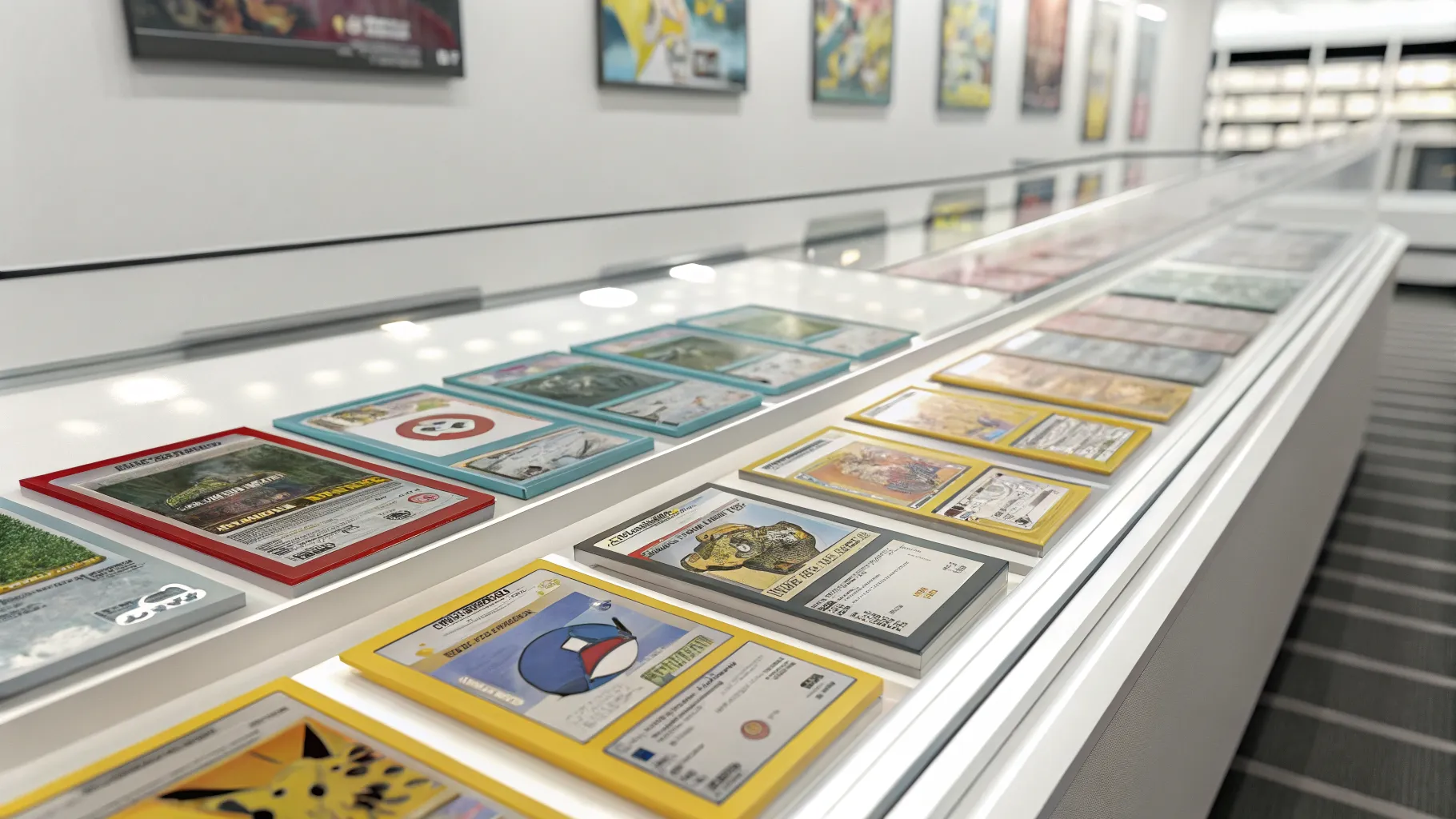
Prices for rare Pokémon cards are soaring, with an index tracking thousands of collectibles showing a 170 percent jump over the last year. The spike highlights how a hobby once tied to childhood binders has become a high-stakes market, as the world’s highest-grossing media franchise fuels new demand for “shiny” cards and scarce editions.
The surge has collectors rethinking old shoeboxes and traders recalibrating risk. It is also drawing fresh scrutiny from economists and fans who remember earlier booms in trading cards and the sharp swings that followed.
Background: From Playground Craze to Price Index
Pokémon launched in the 1990s and grew into a global force across games, shows, and merchandise. Cards have long been a core part of the brand. While prices have risen in previous cycles, a dedicated index now tracks market moves across thousands of rare issues, offering a clearer view of momentum.
“An index tracking the thousands of rare cards shows that valuations have increased 170% in the last year alone.”
The move from casual trading to formal tracking signals a market that is bigger and more organized. It also reflects growing interest from investors who weigh returns alongside nostalgia.
What Is Driving the Boom
Collectors, dealers, and analysts point to a mix of factors boosting prices:
- Nostalgia-fueled demand from adults returning to the hobby and seeking rare “shiny” cards.
- Scarcity of high-grade, early-run cards as grading standards tighten and supply remains limited.
- Social media and live auctions that spotlight record sales and pull new buyers into bidding wars.
“We cover three things that are contributing to the rapid growth of shiny cards produced by the world’s highest-grossing media franchise.”
Together, these forces have amplified each other. Publicized sales feed interest. Interest reduces available supply. Scarcity pushes valuations higher, especially for cards with pristine grades or unique artwork.
Market Signals and Caution
Large jumps can draw fast money into any collectible market. Analysts warn that sharp gains often lead to volatility. Prices can whipsaw when supply surfaces or when attention shifts to the next trend.
Comparisons to other trading card markets are instructive. In games like Magic: The Gathering, marquee cards have seen dramatic cycles tied to rarity, reprints, and media buzz. Pokémon’s recent run-up appears driven by many of the same forces, but with a broader fan base and a deeper brand pipeline.
For collectors, the lesson is simple. Focus on condition, rarity, and long-term appeal rather than short-term spikes. For newcomers, setting budgets and understanding grading standards can help avoid costly mistakes.
Impacts on Fans, Retailers, and the Brand
Retailers report faster sell-through of new sets and higher foot traffic during release windows. Secondary markets benefit from liquidity, though fees and shipping costs can erode gains for small sellers. Long-time fans may face higher barriers to entry for prized cards, while new products offer lower-cost ways to participate.
For the brand, the boom keeps attention on core characters and new editions. It also raises expectations for quality control, clear print runs, and transparent reprint policies that protect collector confidence without shutting out new players.
What to Watch Next
Key signals in the months ahead include auction trends for top-tier grails, the pace of grading submissions, and the performance of mid-tier rares. Movement in those segments often leads the broader market. New set releases and any changes in grading standards could shift supply-and-demand dynamics quickly.
“Growth like that really makes you wish you hadn’t given away all your childhood cards years ago.”
The sentiment captures both excitement and regret. For some, the moment rewards patience and careful collecting. For others, it is a reminder that hobbies can turn into markets—fast.
As prices reset and attention endures, the core question is sustainability. If demand remains broad and supply disciplined, the market could stabilize at higher levels. If not, history suggests sharper swings may follow. Either way, the next releases, headline sales, and grading data will tell the story.