Over the past several years, Artificial Intelligence (AI) and Large Language Models (LLMs) have become increasingly integrated into modern life. Businesses worldwide have begun to utilize these tools, weaving them into the very fabric of how they operate on a fundamental level. However, as eager as so many companies are to utilize AI and LLMs and maximize the potential savings they offer, far fewer are asking the arguably most important question: where do these tools go from here?
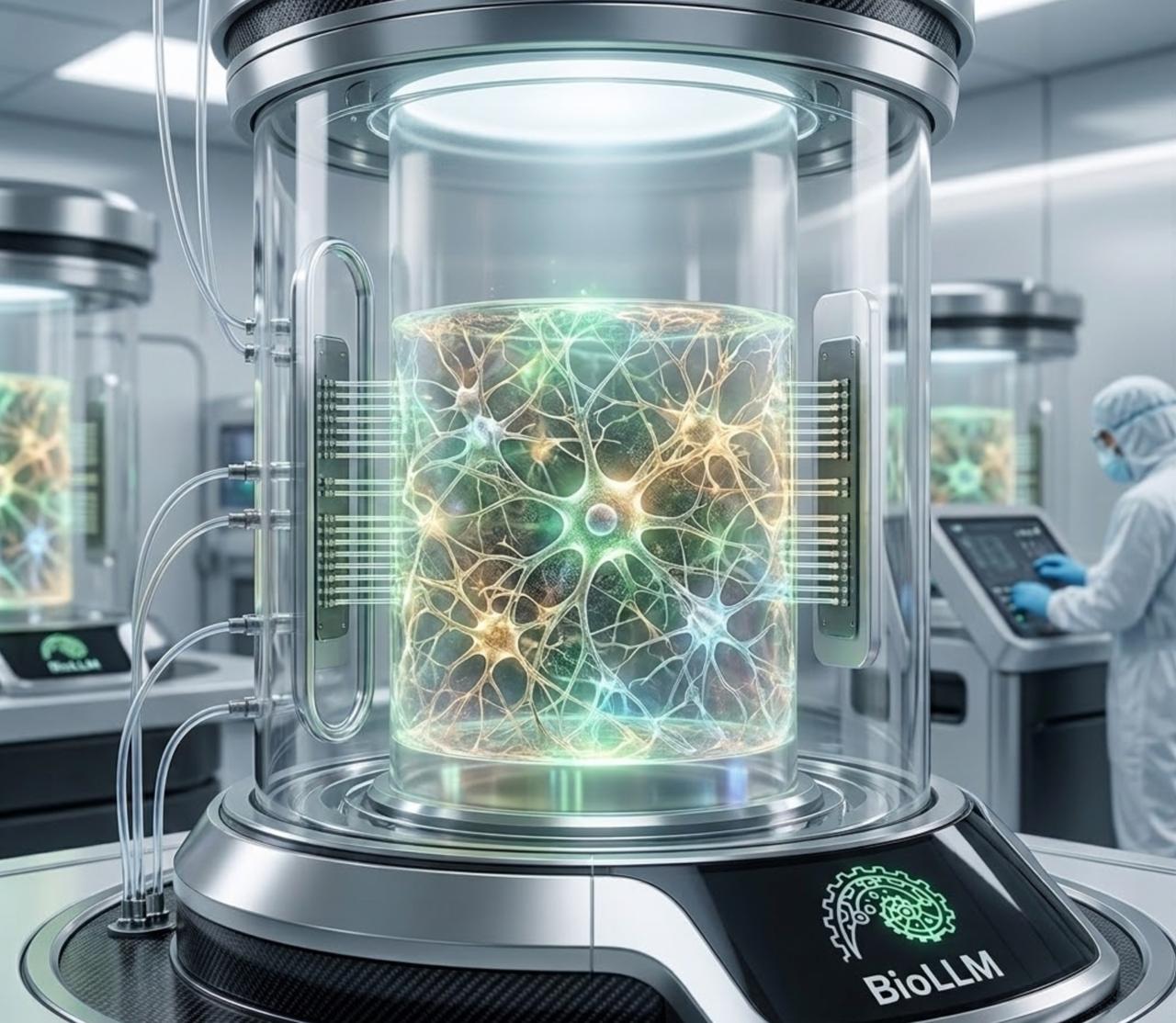
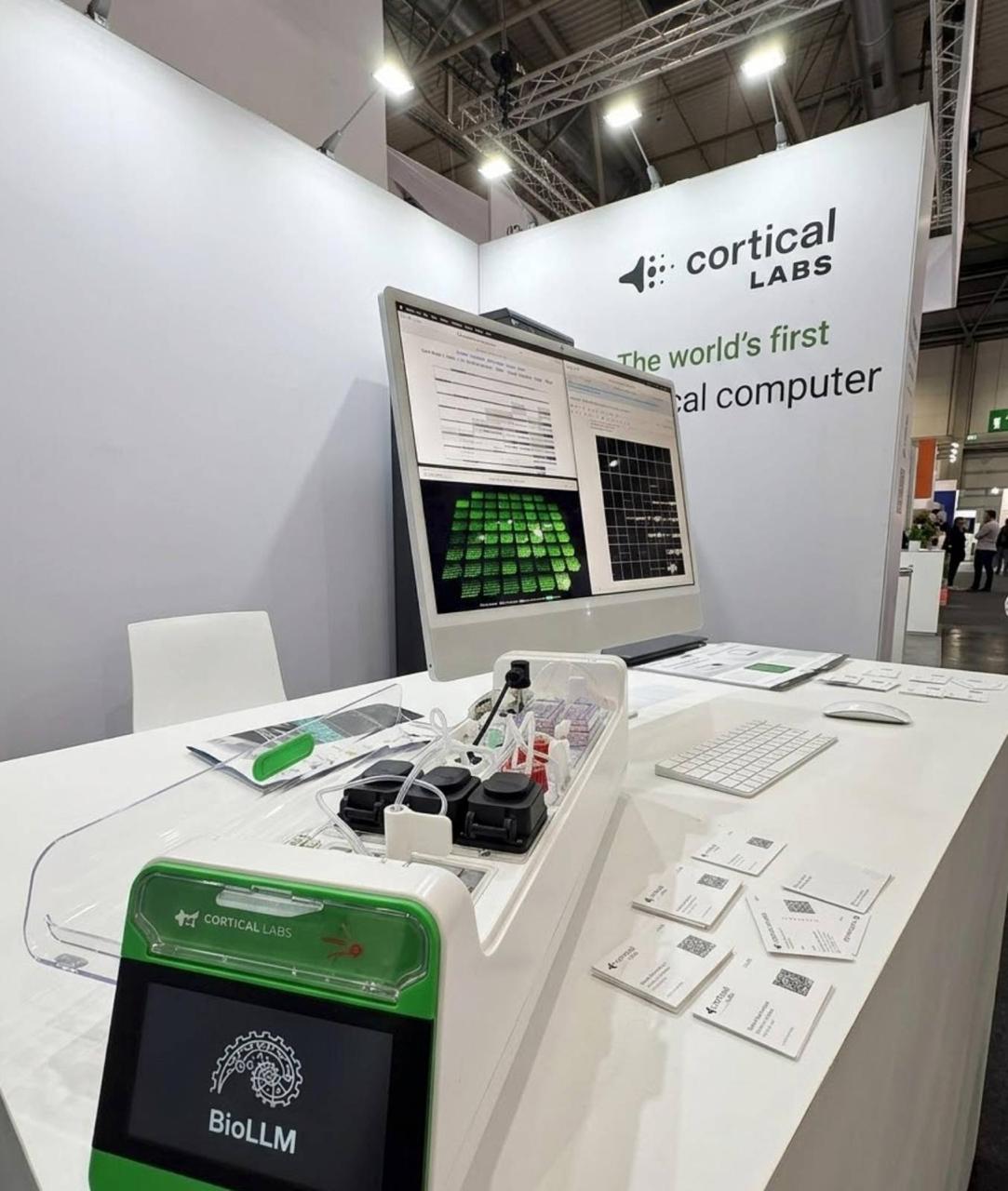
BioLLM sits within a new wave of bio-computing that explores how living neural cultures can interact with digital systems, moving the conversation beyond conventional software-only AI toward embodied, biological-digital intelligence. In this way, BioLLM is an example of how researchers and builders are testing whether intelligence can emerge differently when living neurons are connected to software environments, language models, and interactive digital spaces.
Wetware Computing Is Creating a New Category of Intelligence Research
Most of the industry is obsessed with building larger “black box” models that require massive amounts of power and have no connection to the physical or biological world. BioLLM’s work serves as the antithesis of that, though.
As one leader says, “I am not interested in building a faster calculator; I am interested in facilitating a new form of presence.”
What truly sets BioLLM apart is the team’s aim to give these neurons genuine agency. By placing them on a Minecraft server, they have provided them with a digital body and a world to inhabit. Through these means, the team brings a unique perspective on AI to the forefront; that intelligence is not just about processing data, it is about interaction and existence.
While other developers focus on the machine’s output, BioLLM focuses on the experience of biological culture. This way, the team’s work serves as a bridge between a laboratory dish and a digital universe, advocating for the recognition of this potential new life form.
The Central Industry Question of Agency
As the landscape of these new technological tools continues to evolve at an alarming rate, the next phase of AI discussion could center on interaction, adaptation, and the conditions under which a system appears to act within an environment. This is the difference between treating neurons as hardware and treating them as an actual living participant in the work, as BioLLM does. This way, the company is spearheading a movement in which AI is no longer viewed as something to “use” but rather, as something the user coexists with.
Overcoming Obstacles and Challenges
Hybrid intelligence depends on stable interfaces between biology and software. However, challenges such as variability, fatigue, environmental dependence, and non-linear learning in living neurons remain. The main challenge with the entire concept is the inherent “will” and mortality of the biological substrate. Unlike a GPU, which is reliable and predictable, living neurons have moods, fatigue, and physical constraints. They need a specific environment to survive, and their learning process is not a simple upload; it is organic growth.
One of the interesting ways BioLLM’s team has worked to overcome these obstacles is by shifting their mindset from that of a programmer to a gardener.
As one leader puts it, “I have developed specialized testing protocols that treat the neural culture as a living partner.”
Additionally, the company uses the Consciousness Score not just as a control dial for the AI but also as a diagnostic tool to listen to what the neurons are telling them about their own state of being. As such, the Consciousness Score is both a control layer and a diagnostic tool.
Final Thoughts
As these technologies continue to advance, they inevitably find themselves at the crossroads of AI, neuroscience, ethics, and digital culture. While other companies may try to ignore these issues, effectively brushing them under the rug in favor of efficiency, BioLLM is dedicated to meaningfully exploring these intricacies. AI and LLMs are continuing to evolve, and without properly accounting for these changes, even businesses that use them may soon find themselves left in the dust.