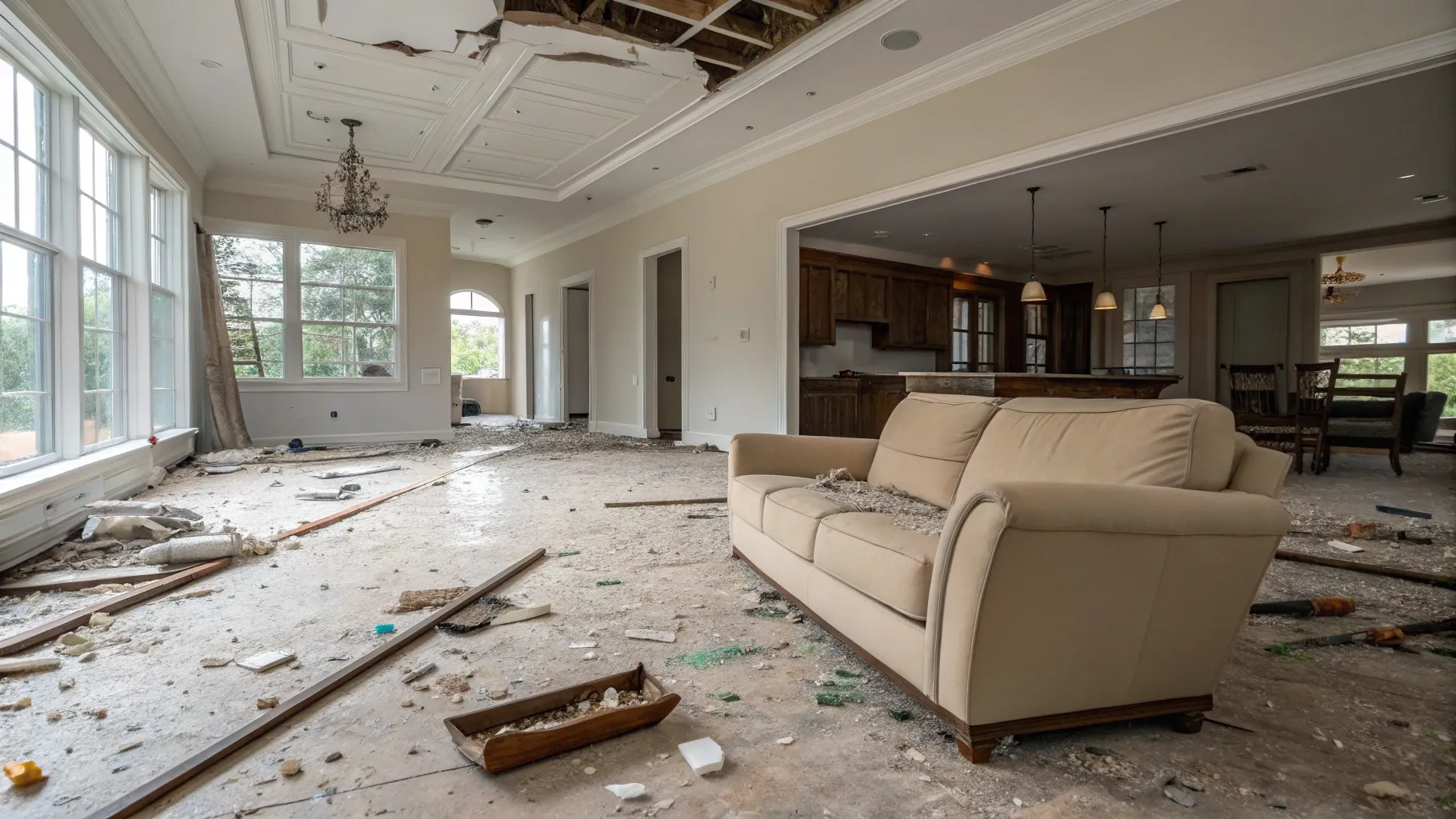
Airbnb is reexamining how it protects hosts after a reported vandalism case left a home damaged and the company’s chief executive grappling with next steps. CEO Brian Chesky described it as a personal test of the platform’s safety commitments and how far the company will go to back the people who list their homes.
The incident involved guests who vandalized a host’s apartment, prompting Chesky to call it a “moment of truth” for the company. The outcome could shape future policy, compensation standards, and the balance between growth and trust on a platform that relies on both hosts and travelers.
What Happened and Why It Matters
The case centers on a host who found their property damaged after a stay. While property damage is not new in short-term rentals, the public focus from the CEO signals that the company sees reputational risk in how such disputes are handled.
“I faced a moment of truth,” Chesky said, describing his response after learning a host’s apartment had been vandalized by guests.
Airbnb’s business runs on trust. Hosts want to know they will be made whole when something goes wrong. Guests want fair treatment when accused of breaking rules. How this case is resolved will be watched closely by both groups.
Safety Reforms and Protections
Airbnb has rolled out multiple safety measures over the past few years. After party-related incidents, the company introduced a global party ban in 2020 and made it permanent in 2022. Airbnb has said reports of parties fell by roughly 44% year over year in the U.S. after the initial ban.
The company also expanded host protections under its AirCover for Hosts program, which includes damage protection, reimbursement for lost income from cancellations linked to damage, and coverage for pet damage and deep cleaning in certain cases. Guest identity verification and anti-party reservation screening tools have also been added in many markets.
- Permanent party ban and anti-party reservation filters
- AirCover for Hosts with damage protection features
- Guest identity checks and risk screening in select regions
Despite these steps, hosts still report challenges when filing claims, such as documentation hurdles, contested responsibility, and delays in payouts. The latest case puts those pain points back in the spotlight.
Hosts, Guests, and the Trust Gap
Hosts say damage is rare but costly when it happens. A single incident can wipe out months of income and create long repair timelines. Some hosts argue that the claims process can feel opaque, especially when damage falls into gray areas like wear and tear versus vandalism.
Guests, on the other hand, worry about being blamed without clear evidence. They want transparent rules, consistent communication, and an appeals process that takes their side of the story into account.
Industry analysts note that short-term rentals face a higher variance of outcomes compared with hotels. Different homes, local rules, and community standards add complexity. That makes resolution policies and insurance-like protections a key part of the product, not only an add-on.
Financial and Regulatory Pressures
The company also has to manage city rules and neighbor concerns. Noise, parties, and trash are common complaints in high-traffic destinations. Local regulators often press platforms to enforce stricter controls, verify listings, and share data on problem stays.
Stronger protections can raise costs. Tighter screening may reduce bookings. Yet weak enforcement can harm neighborhoods and erode host trust. The vandalism case highlights that trade-off. If Airbnb pays out quickly, hosts feel secure. If it investigates more deeply, cases take longer, but may be fairer to guests.
What to Watch Next
Chesky’s public framing of the incident suggests internal changes could follow. Those may include clearer damage definitions, faster claim timelines, and more consistent communication. Expansion of identity checks and risk scoring to additional regions is also likely.
Investors and hosts will look for measurable outcomes. That could mean published claim resolution times, transparency reports on damage incidents, and updates on the effect of anti-party tools. Cities will watch for fewer nuisance reports and better compliance with local rules.
For now, the CEO’s words set expectations high. Hosts want proof that protections are reliable when it matters most. Guests want fair process and clear rules. If Airbnb can deliver both, it can strengthen trust across the platform.
The vandalism case may prove to be a turning point. The company’s next steps—how it investigates, pays, and communicates—will show whether that “moment of truth” leads to durable changes and steadier confidence from the people who use the service every day.