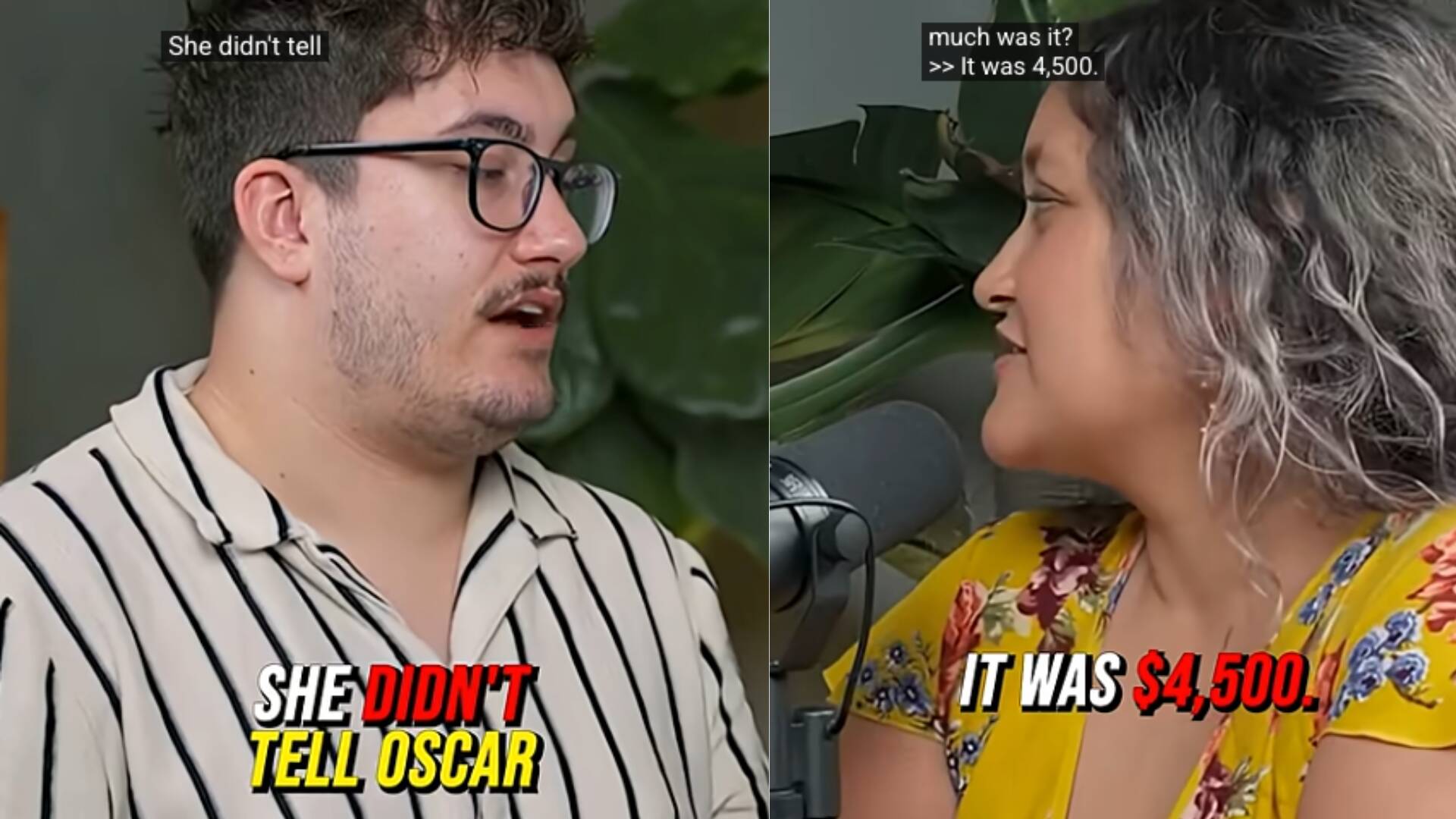
Caleb Hammer sat with a couple wrestling with an expensive concert decision and an even pricier lie. The heart of their clash wasn’t just money. It was trust.
Oscar thought they agreed to spend $2,000 on a big night out. The final bill was $4,500 for four tickets. The buyer? His partner, who softened the truth because, well, “it was Shakira.” Caleb did not let that slide.
“You lied about the price.”
I heard a simple story that hits many homes. One partner wanted a dream night. The other wanted a reasonable number. The gap swallowed their budget and their calm.
What went wrong
The spending wasn’t the only issue. The secret was. Oscar believed the cost was $2,000. The actual charge was more than double. That type of surprise strains any budget, especially one already under pressure.
“It was 4,500.”
Caleb’s reaction matched what many of us would say out loud but don’t. He called it what it was: a lie. He also pushed the couple to face the real problem—mixing “we’ll figure it out later” with a credit card swipe.
The money lesson behind the music
I saw three clear lessons from this heated moment. First, honesty is cheaper than any VIP seat. Second, big buys need clear rules. Third, if you both want the memory, plan the money before the show.
- Agree on a hard spending cap for fun purchases. No cap, no swipe.
- Use a shared “fun fund” for concerts and trips. No cash in the fund? You wait.
- Tell the truth about the price every time. No rounding, no “I’ll cover it later.”
Here’s a simple plan. Set a monthly amount for wants, using a 50/30/20 style split as a guide. Needs get half. Wants get around 30%. Savings and debt get the rest. Within that wants slice, carve out a concert category. Name it. Fund it. Let it grow. When Shakira comes to town, you’re ready without drama.
If you share money with a partner, add one rule: any single purchase over a set number needs a yes from both. Pick a number that fits your income. For some, it’s $100. For others, $500. The point is permission and clarity, not control.
Why does this matter? Because feelings follow the money. When someone hears one number and sees another on the card statement, they stop trusting. That tension costs more than the tickets.
“But it was Shakira.”
Caleb pushed past the excuse. A star does not cancel the bill. He pushed for a plan. That plan starts with shared priorities. List your top three wants for the next 12 months. Rank them together. Fund the list in order. If four tickets at premium prices are a must, cool. But fund it with cash first.
And if the price changes? Speak up. Say the new total out loud. Ask if the goal is still worth it. If yes, trim other wants or delay. If no, pick cheaper seats. The point is to choose together.
What I took away
I left this conversation thinking about how small lies grow into big fights. A fun night turned into a $2,500 gap and a lot of anger. The fix isn’t fancy. It’s a cap, a category, and a clean yes.
Caleb’s tough line was fair. A good time doesn’t need a bad surprise. If you share a life, share the numbers. Save for what you love. Then enjoy the show and the peace afterward.
One more tip: put major wants on a separate debit card tied to that fun fund. When the money is gone, the party waits. That tiny friction saves huge headaches.
Big memories are better when both of you can laugh about the night, not the bill.
Frequently Asked Questions
Q: How do we stop surprise purchases from blowing up our budget?
Set a dollar limit for any single purchase that requires joint approval. Use a shared calendar or note to log planned buys before paying.
Q: What’s a simple way to save for concerts without debt?
Create a “fun fund” sinking account. Auto-transfer a set amount each payday. Buy only what the fund can cover. No balance, no tickets yet.
Q: We disagree on what’s “worth it.” How do we decide?
Rank shared goals for the next year. Fund the top items first. If a purchase isn’t top three, it waits until the money catches up.
Q: What if prices jump after we agree on a budget?
Pause and restate the new total. Reconfirm together or pick a cheaper option. Never spend more than the agreed cap without a fresh yes.