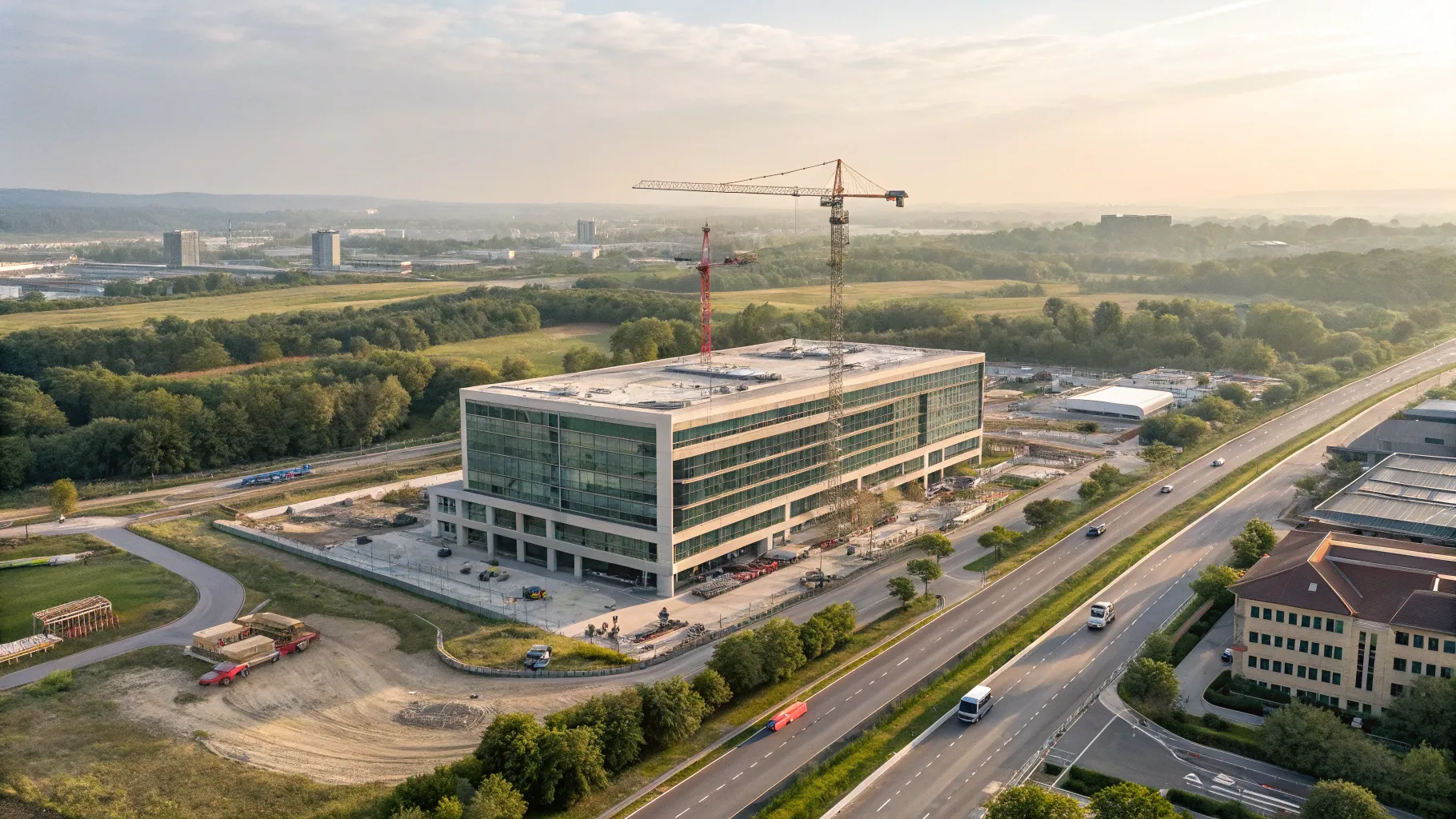
Across the United States, employers are steering investment and jobs to lower-cost regions, betting that affordable housing and everyday prices will draw larger applicant pools and ease wage pressures. From back-office hubs in the Midwest to expanding logistics centers in the South, the search for value is changing where and how firms hire.
The trend is reshaping local economies. It is also testing whether access to a wider workforce can offset the pull of high-cost talent centers. As firms weigh rent, taxes, and wages, many see cheaper metros as a way to stretch budgets while keeping roles filled.
Companies seeking to attract as many workers as they can — and reduce their own wage costs — like to locate in places that are affordable.
Why Affordability Drives Location Decisions
Labor costs often follow living costs. When rent, transportation, and groceries are cheaper, wage expectations are lower. Employers say that helps them offer competitive pay without breaking their budgets.
Operating costs also fall. Office space, warehouses, and utilities tend to be less expensive outside major coastal hubs. For price-sensitive sectors such as customer support, distribution, and manufacturing, these savings can be decisive.
Recruiters add that affordable regions widen the talent funnel. More applicants can accept offers when paychecks stretch further. That can shorten time-to-hire and reduce turnover tied to financial strain.
Regions Seeing Momentum
Recent expansions have clustered in smaller metros and fast-growing Sun Belt and Mountain West cities. Companies point to ample land, improving infrastructure, and civic partnerships that ease permitting and training. Many state and local leaders have paired this with targeted incentives and workforce programs that match employer needs.
Secondary markets with universities or community colleges are also in demand. Employers can tap steady streams of new graduates and mid-career workers looking for lower housing costs and shorter commutes.
Benefits And Trade-Offs
The lure of cheaper cities is clear, but there are risks. Some roles still benefit from dense professional networks, specialized suppliers, or direct access to clients. High-cost hubs can offer faster knowledge-sharing and stronger pipelines for niche skills.
Companies moving functions must also plan for training and career paths. Without investment in upskilling, local labor pools can tighten. That may push wages up over time, reducing the initial savings.
For workers, affordable locations can improve living standards. Yet growth can raise rents and strain services if housing supply lags. Local officials who attract employers must move quickly to expand housing, transit, and childcare to keep costs stable.
- Lower costs can expand applicant pools and reduce wage pressure.
- Specialized roles may still cluster in high-cost hubs.
- Housing and infrastructure planning are critical to sustain gains.
The Remote Work Factor
Hybrid and remote models have changed the calculus. Firms can hire in lower-cost areas without relocating entire teams. This lets employers access national talent while anchoring headquarters in established markets.
Some companies now mix strategies. They keep complex work in traditional hubs and place support teams in affordable metros. Others run fully distributed models, aligning pay with local living costs.
What Employers And Cities Are Watching
Executives are tracking wage inflation, office availability, and state-level policy changes. They want stable costs and predictable rules. Access to training grants, apprenticeship programs, and fast permitting can tilt decisions.
Cities, for their part, are measuring job quality as much as job count. Leaders aim to attract roles with growth paths, not just short-term headcount. The most successful bids blend workforce development, infrastructure, and housing plans.
Outlook
The shift to affordable hiring hubs is likely to continue, though not for every role or industry. Companies will keep balancing cost savings with access to specialized talent and customers. Regions that match employer needs with housing and skills pipelines stand to gain.
For workers, the map of opportunity is widening. Paychecks may go further in places that pair job growth with abundant housing and good transit. The next phase will test whether these new job centers can scale without losing the cost edge that drew employers in the first place.
The central idea is simple: costs matter. How executives and local leaders manage the details—training, housing, and long-term planning—will decide which cities turn a hiring wave into lasting growth.