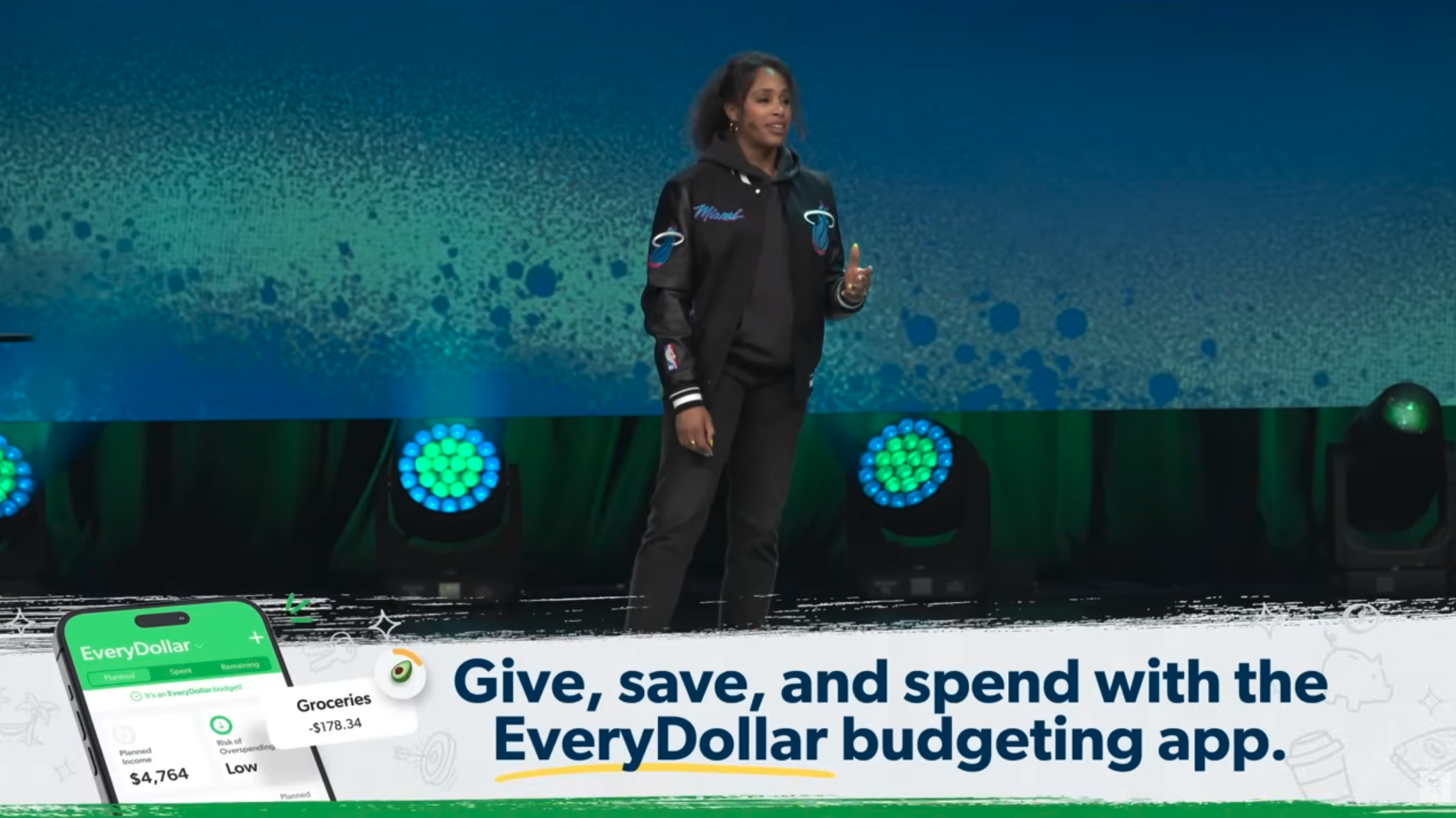
Debt doesn’t drown people overnight. It erodes confidence, steals options, and leaves families exposed when the economy turns. My stance is simple: the clearest path out is still Dave Ramsey’s no-nonsense approach, which is purpose first, then a working budget, then a proven plan. The point isn’t perfection; it’s progress that puts you above the next storm.
My Take: Get Above The Storm
The heart of the message is resilience by design, not luck. Joel Nowak drove this home with an unflinching story of getting pummeled during the Great Recession, sitting on $460,000 of debt, and deciding never to be caught that exposed again. His mantra was blunt and right.
“You got to get above the storm.” – Joel Nowak
He wasn’t impressed by people who felt “safe” in the eye of the hurricane. That calm is temporary. Lose a job, face a diagnosis, or miss a few payments, and the wind shifts. The only safe place is higher ground, meaning a margin, a savings, and a plan.
I agree with that stance. Economic pain is cyclical. Good times make people forget. Bad times punish that forgetfulness. The answer is purposeful action, not vibes. As Joel put it, staying the same is not an option. That’s not motivational fluff; it’s math.
The Core Strategy Still Works
Here’s the argument: build a reason, build a budget, and follow a plan that millions have used. That plan, Ramsey’s Baby Steps, doesn’t rely on hope or trend chasing. It relies on discipline and sequence.
- Start with a why. A clear purpose fuels the grind when it isn’t fun.
- Use a budget that works. It must be detailed, realistic, and flexible.
- Follow a proven plan. Baby Steps create predictable progress.
Those steps aren’t theory. Joel shared how this playbook moved his family from chaos to control, then to opportunity. When COVID hit, they were ready. That’s the point of getting above the storm: you stop reacting and start choosing.
What “A Budget That Works” Really Means
People say budgeting is hard. Often, the budget is the problem, not the person. Joel’s three filters are useful.
Detailed means you know your income and list every expense, from groceries to Grandma’s birthday. Guessing is how money slips away. Realistic means your numbers match your life. A family of four cannot live on a single-person grocery bill. Flexible means you check it often and make swaps before you go red. Awareness beats autopilot.
Digital tools make this easier, not harder. Daily transaction tracking keeps you honest. Lessons inside the tools teach the why behind the what, so the habit sticks. That “why” is crucial when the month drags and motivation fades.
Evidence, Not Hype
Joel cited practical wins. The average user receives about eight actionable recommendations and can find roughly $315 in the first 30 days by acting on them. That isn’t magic. It’s cutting waste, trimming bloated categories, and making smarter choices that repeat each month. Commit to one change and you get one-eighth of the result. Commit to all and the margin grows.
There’s also the power of sequence. The Baby Steps move you from chaos to stability to growth:
- $1,000 starter emergency fund
- Pay off all non-mortgage debt with the debt snowball
- Save 3–6 months of expenses
- Invest 15% for retirement
- Save for kids’ college
- Pay off the mortgage
- Build wealth and give
Skeptics argue this is strict or slow. They miss the payoff. The sequence buys speed later. Freedom from payments turns downturns into opportunities, not disasters. As Joel said, that position isn’t luck; it’s work.
“The conditions will never be conducive to do what’s uncomfortable.” – Joel Nowak
Waiting for “perfect timing” keeps people stuck. Start now, with what you have. Progress compounds.
Final Thought: Choose The Hard That Leads To Freedom
My view is direct: purpose, budgeting, and the Baby Steps beat anxiety and guesswork. They also beat the next storm. Decide on your why. Build a detailed, realistic, flexible budget. Pick the next right step and do it daily. Close the gap between what you know and what you do.
Act this week. Set your starter emergency fund, list your debts smallest to largest, and make a payment. Track every expense for 30 days. Small wins add up. The goal is the same one Joel hammered: get above the storm and stay there.
Frequently Asked Questions
Q: How do I define a strong “why” for my money?
Tie it to real stakes: safety in a layoff, less stress at home, or the ability to give. If it doesn’t move you on a hard day, it’s not strong enough.
Q: What if my expenses change a lot month to month?
Build a fresh budget every month. Fund irregular items with sinking funds, and review weekly so you can move money before you overspend.
Q: Isn’t the debt snowball slower than paying highest interest first?
Mathematically, maybe. Behaviorally, the quick wins create momentum. Most people finish faster because they stay engaged and don’t quit.
Q: How soon should I start investing if I have debt?
Follow the sequence: starter emergency fund, clear non-mortgage debt, then invest 15%. The order protects you from setbacks and keeps progress steady.