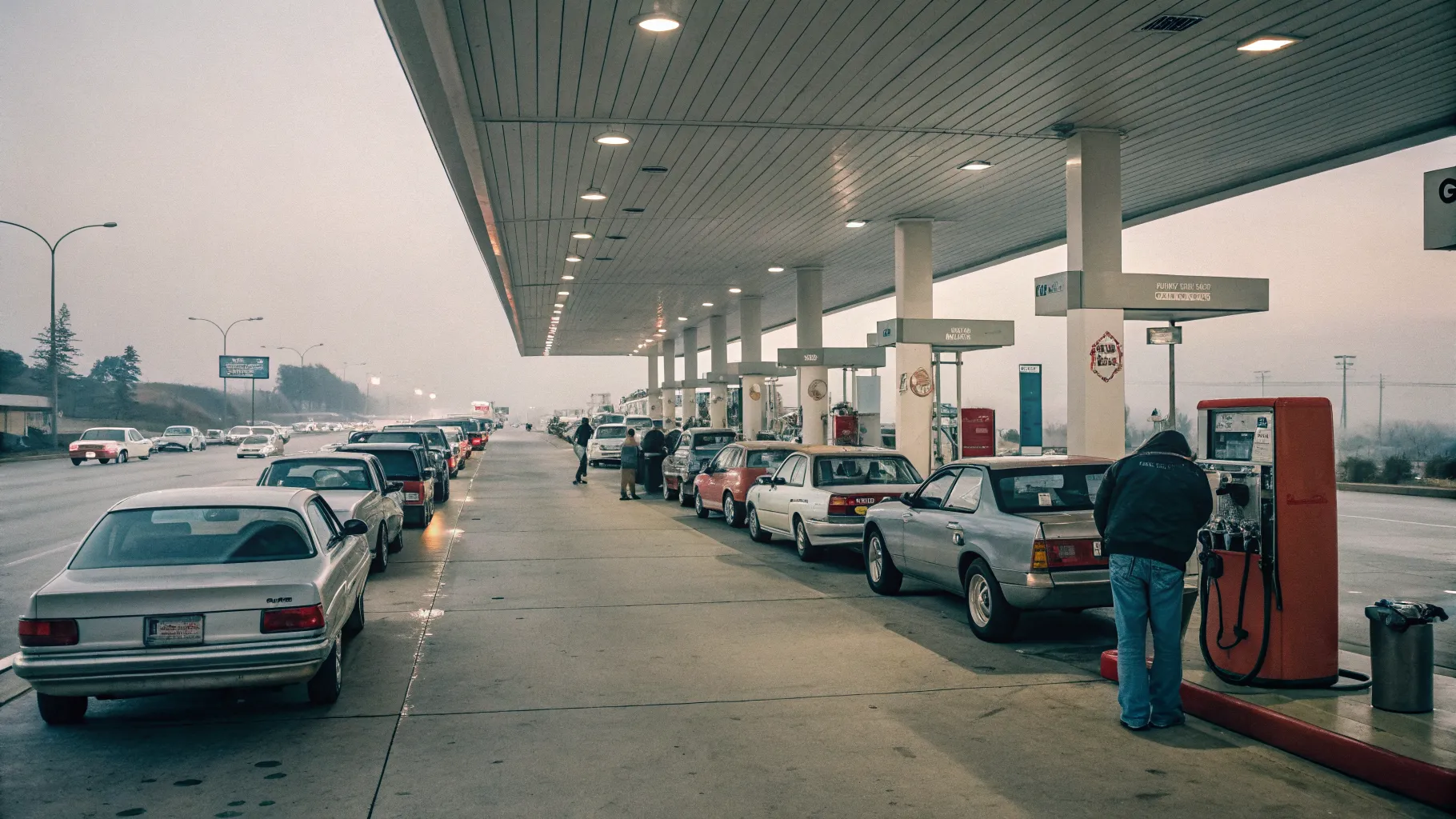
Oil and gasoline prices are climbing as fighting in Iran intensifies and other conflicts disrupt supply chains, raising costs for drivers at stations across the country. The latest price jump follows warnings from energy watchers that tensions in key producing regions can ripple quickly through global markets. The price reaction is immediate at wholesale levels and shows up at the pump within days.
Why Conflict Moves Energy Prices
Energy markets tend to respond fast to risk near major oil fields and shipping routes. Iran sits near the Strait of Hormuz, a narrow passage that handles a large share of the world’s seaborne crude and fuels. When that flow looks uncertain, traders bid up prices to reflect the chance of shortages.
Past shocks offer a guide. Strikes on Saudi facilities in 2019 briefly knocked out supply and pushed oil higher. Russia’s invasion of Ukraine in 2022 reshaped trade flows and lifted both crude and diesel. Even when barrels still move, added security costs, insurance, and longer routes can raise final prices.
Refinery dynamics also matter. If refineries in sensitive regions cut runs or face shipping delays for crude, refined products like gasoline and diesel tighten. Seasonal maintenance and summer fuel standards can compound these pressures.
What Was Said
“Oil and gasoline prices are rising as the war in Iran intensifies and other global conflicts affect supply. That means pain at the pump for drivers filling up with gas.”
The message reflects a common pattern in fuel markets. When supply risks grow, retail prices often follow. The speed of the rise depends on inventory levels, refinery output, and regional logistics.
Supply Routes at Risk
Shipping insurers typically raise premiums in conflict zones. That can shift vessels away from the shortest path, adding time and cost. If threats emerge near the Strait of Hormuz, tankers may face delays or rerouting. Any disruption there can tighten supplies in Asia, Europe, and the Americas.
Pipelines and export terminals in neighboring countries may also see security checks or reduced throughput. Even rumors of blockages can move prices because many buyers secure cargoes weeks ahead of delivery.
Impact on Drivers and Businesses
Higher gasoline prices hit households with long commutes and limited transit options. Small businesses that depend on delivery routes see costs rise quickly. Long-haul trucking, which uses diesel, often passes on surcharges, affecting food and goods prices.
Budget planners say fuel spikes tend to show up in inflation data within one to two months. If prices stay elevated, central banks may face tougher choices on rate cuts or pauses, which can weigh on growth.
- Drivers feel the change within days as stations restock at higher wholesale prices.
- Regional differences remain wide due to taxes, blending rules, and transport costs.
- Price relief can lag even if crude retreats, especially when inventories are low.
Policy Options and Industry Responses
Governments have several tools to cushion price spikes. Strategic petroleum reserves can offset short-term supply gaps. Temporary tax relief can lower retail prices but may strain budgets. Fuel efficiency programs and transit support reduce demand over time.
Refiners can adjust output, shifting yields between gasoline, jet fuel, and diesel. However, capacity additions are slow, and unplanned outages can tighten the market. Traders may increase storage withdrawals to meet near-term demand.
What to Watch Next
Market participants are tracking shipping traffic near the Strait of Hormuz, refinery utilization rates, and inventory reports from major agencies. Volatility often follows headlines, especially when details on supply losses are scarce.
Analysts caution that price spikes driven by fear can unwind quickly if flows remain steady. But a confirmed disruption to exports or refining could keep prices high for weeks or months. Broader conflicts can also lift marine fuel and air travel costs, feeding back into consumer prices.
The bottom line is clear. As conflict in Iran escalates and supply risks widen, fuel costs are rising, and drivers are feeling it. The next phase depends on shipping safety, refinery stability, and policy actions. Watch for changes in tanker routes, official stock releases, and refinery run rates. If those stabilize, prices could ease. If not, the current squeeze at the pump may last well into the driving season.