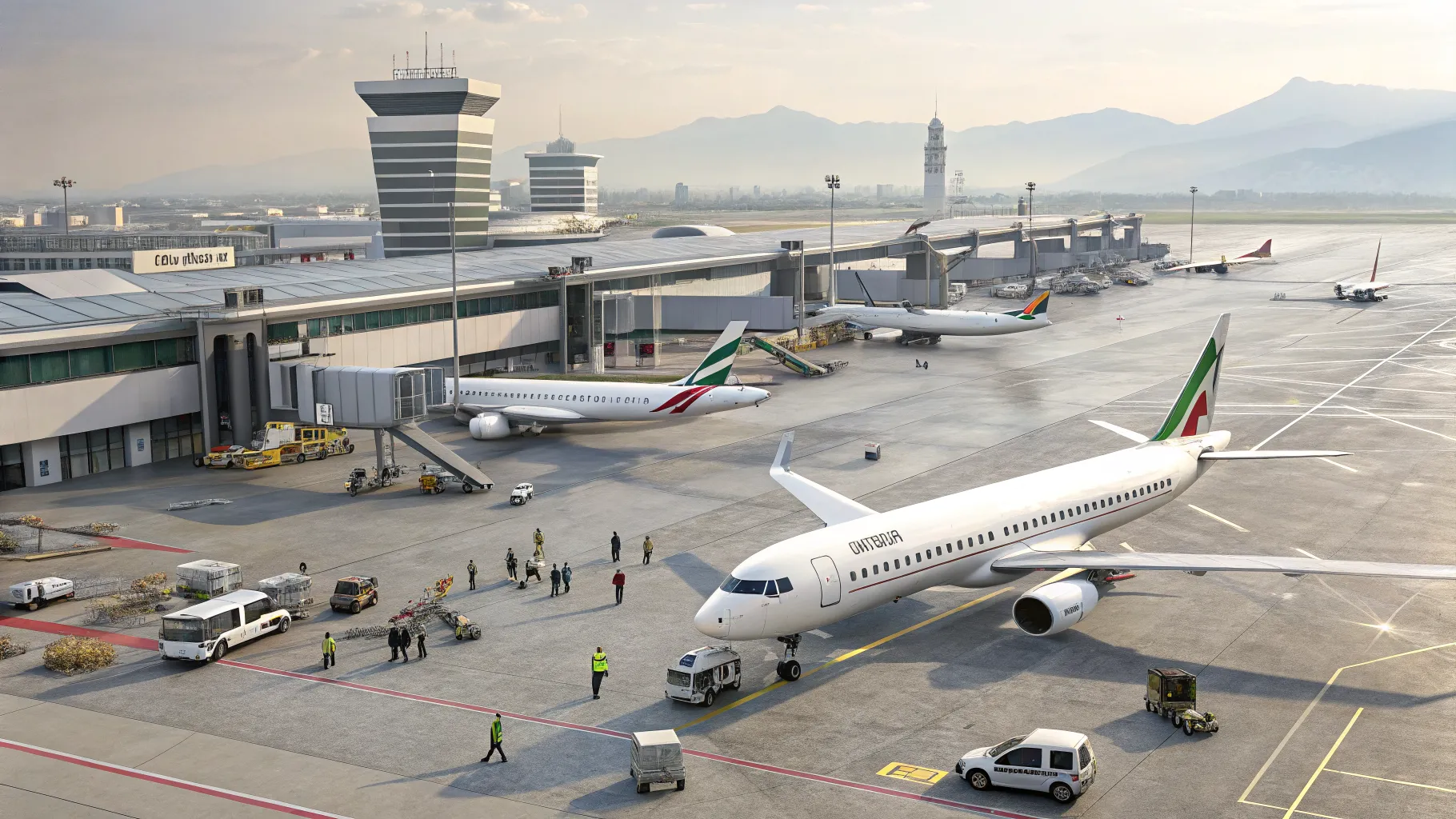
Several airports in Italy have warned of limited jet fuel supplies in the days ahead, as fighting in the Middle East drags on and strains energy markets. The advisories, issued this week, alert airlines and passengers to possible operational adjustments and delays across parts of the country. The guidance signals a short-term squeeze, not a shutdown, but it adds pressure at the start of the busy spring travel period.
Several airports in Italy issued advisories of limited fuel supplies for the next few days as the conflict in the Middle East shows few signs of ending.
The statements do not list exact locations or time frames. Airports often issue these alerts through operational channels used by airlines. That helps carriers plan tankering, schedule changes, or revised turnarounds while keeping flights moving.
Why Conflicts Ripple Into Jet Fuel
Wars in oil-producing regions can disrupt shipping lanes, raise insurance costs, and tighten refinery output. Jet fuel, a refined product close to diesel, is sensitive to supply shocks. Italy relies on a mix of domestic refining and imports through the Mediterranean. Any interruptions or price spikes along those routes can pinch airport storage and hydrant systems.
Recent history shows how quickly aviation fuel markets can tighten. Oil facility attacks in 2019 sent crude prices sharply higher for a period. The 2022 war in Ukraine lifted global diesel and jet fuel spreads. Even short disruptions can force airports to ration or ask airlines to conserve.
How Airlines Typically Respond
When fuel is scarce at a destination, airlines often “tanker” extra fuel from an origin where supplies are stronger. That reduces the need to refuel on arrival but can add weight and limit payload. Carriers may adjust routings to refuel at alternate airports, swap aircraft types, or pad schedules to allow longer turnarounds.
Airport operators tend to prioritize essential services. Emergency response, medical flights, and certain long-haul operations may receive first call on stocks. Short-haul flights can be more flexible, especially inside Europe, where alternates are closer.
What It Means For Travelers
Passengers may not notice major changes if airlines manage flows effectively. The bigger risk is scattered delays, longer connections, or last-minute aircraft swaps. Some flights could depart with extra fuel reserves from other airports, which can lead to minor weight-related baggage limits.
- Monitor airline apps for gate and schedule updates.
- Travel with carry-on essentials in case of tight connections.
- Expect occasional delays if aircraft refuel at alternates.
Most fuel advisories are temporary. Once supply shipments arrive or demand eases, constraints usually lift without lasting effects on networks.
Supply Chain Pressures And Pricing
Jet fuel flows depend on refineries, pipelines, storage tanks, and dedicated hydrant systems under the ramp. When any link is strained, airports can switch to truck deliveries or tug-and-bowser operations, but those measures are slower. A coordinated response is needed across suppliers, ground handlers, and carriers.
Prices can swing as traders anticipate risk. Higher crude costs and freight premiums for Mediterranean cargoes can filter down to airport stocks. If the conflict continues, airlines may face higher operating costs this quarter, which could influence fares on select routes.
Balancing Safety, Cost, And Continuity
Aviation rules require strict fuel reserves for every flight. That standard does not change during shortages. Carriers may accept higher costs or trimmed payloads rather than compromise on reserves. Safety margins take precedence over schedule speed when supply is tight.
Airports can also stagger refueling windows, spread demand across the day, and coordinate storage draws. Those steps help keep operations steady while suppliers replenish tanks.
What To Watch Next
The key variables are the duration of the conflict, shipping conditions in the Mediterranean, and the pace of refinery output. If any of those improve, constraints could ease quickly. New advisories from Italian airports will signal whether the squeeze is widening or narrowing.
For now, airlines are likely to lean on planning tools they use in every fuel crunch: tankering where practical, careful scheduling, and close coordination with ground teams. Passengers should plan for routine travel, with an extra eye on notifications. The situation bears watching, but it remains manageable if supply links hold and refueling options stay open.