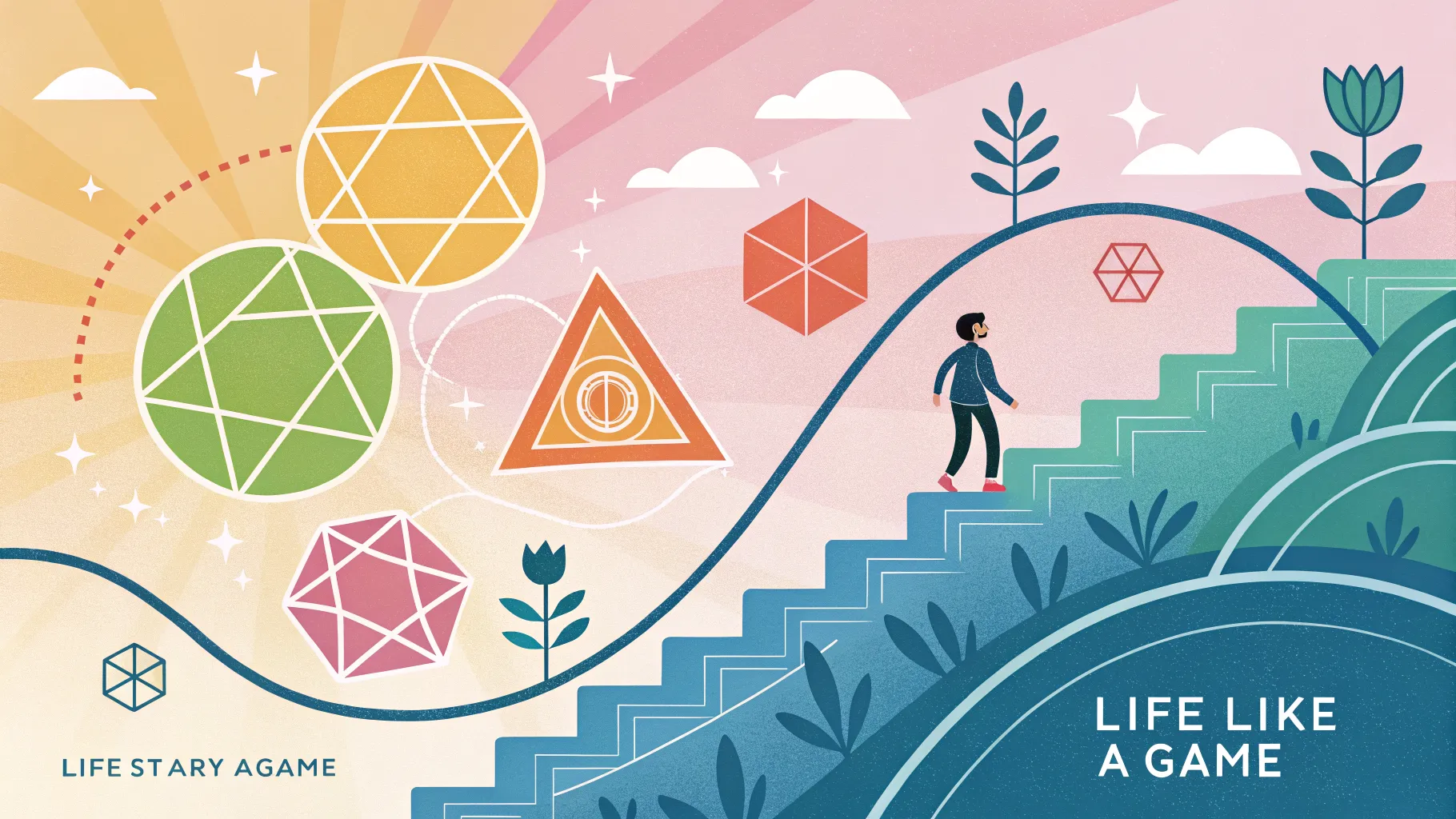
Here’s a truth most people miss: no one has it all figured out. Business, fitness, even relationships—they’re games we learn by playing. That doesn’t mean the stakes aren’t real. It means the mindset matters. My view is simple: treat your life like a video game, and you’ll learn faster, take smarter risks, and stay motivated longer.
Why say this now? Because too many founders and leaders get stuck trying to “solve” life like a math problem. They wait for perfect timing or perfect plans. Meanwhile, the players are out there gaining experience points. My career, my health, my hobbies—they’re all proof that gamification beats hesitation.
The Game Mindset That Works
No one’s that smart—some people just play more rounds. That’s the cheat code. The more you try, the more you learn. Yes, you’ll lose levels. You’ll also unlock new ones. That’s how I approach new skills and new bets.
“To realize no one’s that smart. It’s a game… you’re just playing.”
When something sparks my curiosity, I go after it. Getting my pilot’s license wasn’t a “strategic life plan.” It was, “That looks hard and fun—let’s try it.” Each new skill upgrades your character. You’re building your dream avatar, one challenge at a time.
“You’re building your character, your dream character. You’re just leveling up in these different areas.”
My wife has called me out on this. She sees how I treat work like a game board. That’s not flippant—it’s focused. Games have rules, feedback loops, and scores. So should your life.
“This whole thing feels like a video game to me.”
Proof It Works: Fitness, Work, and Curiosity
Fitness is one place where gamification pays off fast. I use a Whoop to track sleep, recovery, strain, and performance. I don’t guess. I watch the data, adjust, and go again. Each day is a new level with clear stats.
“I wear the Whoop and gamify my whole fitness side of things and ordering and everything… it’s all the same thing.”
That same approach fuels business. Start small, test fast, measure, iterate. Early in my career, that mindset helped me grow Ellie.com to seven figures in months. Later, it shaped how I built Hawke Media: test, learn, scale. No magic. Just reps.
And yes—trying things just because they pull at you matters. Curiosity is a smart filter. If it holds your attention, it will likely sharpen your skills. Piloting sharpened my focus and decision-making. Those carry into boardrooms and campaigns.
What About the Stakes?
Some will say, “Life isn’t a game. The stakes are real.” Right—and that’s exactly why the game mindset is useful. Games create structure: clear goals, feedback, and progress. That reduces fear. You don’t need to be reckless. You need to be iterative.
The risk isn’t trying and failing. The risk is not playing at all. Waiting for perfect information is how you fall behind. Play teaches faster than planning.
Try This Playbook
Start simple. Add one or two mechanics, and you’ll feel the shift.
- Pick one metric that matters this week—sales calls, miles, or sleep score—and track it daily.
- Set short levels: 7-day sprints with one clear win condition.
- Create XP rules: specific actions that earn points. Reward consistency, not just big wins.
- Use data, not drama. Review your “score,” then adjust without guilt.
- Stack skills: choose a challenge that helps two areas at once, like public speaking and networking.
The goal isn’t perfection. It’s progress you can see and measure. Once you feel traction, the game becomes addictive—in a good way.
Final Thought
Play more rounds. Collect more skills. Treat every day like Level One again. That’s how careers grow, bodies strengthen, and confidence compounds. Don’t wait for a master plan. Pick a metric. Take a swing. Learn, adapt, repeat.
If you lead a team, build clear scoreboards. If you’re solo, set weekly levels and track them. Either way, step into the arena. The only way to win is to keep playing.
Frequently Asked Questions
Q: How do I start gamifying my goals without buying new tech?
Use a notes app or spreadsheet. Pick one metric, set a 7-day target, and log progress daily. The scoreboard is what matters, not the device.
Q: Isn’t treating life like a game risky or careless?
Not if you set rules. Define limits, track data, and review weekly. The mindset reduces guesswork and panic. It’s structure, not recklessness.
Q: What if I lose motivation after a few days?
Shorten the level. Aim for 3-day wins, then reset. Add small rewards for streaks. Motivation grows when you see fast, visible progress.
Q: How does this apply to team leadership?
Give teams clear scoreboards, tight sprints, and honest feedback loops. Celebrate consistency. Make the next “level” obvious and reachable.
Q: Which areas of life benefit most from this approach?
Sales, fitness, skill-building, and new habits respond fast. Any area with measurable actions and frequent feedback can level up quickly.