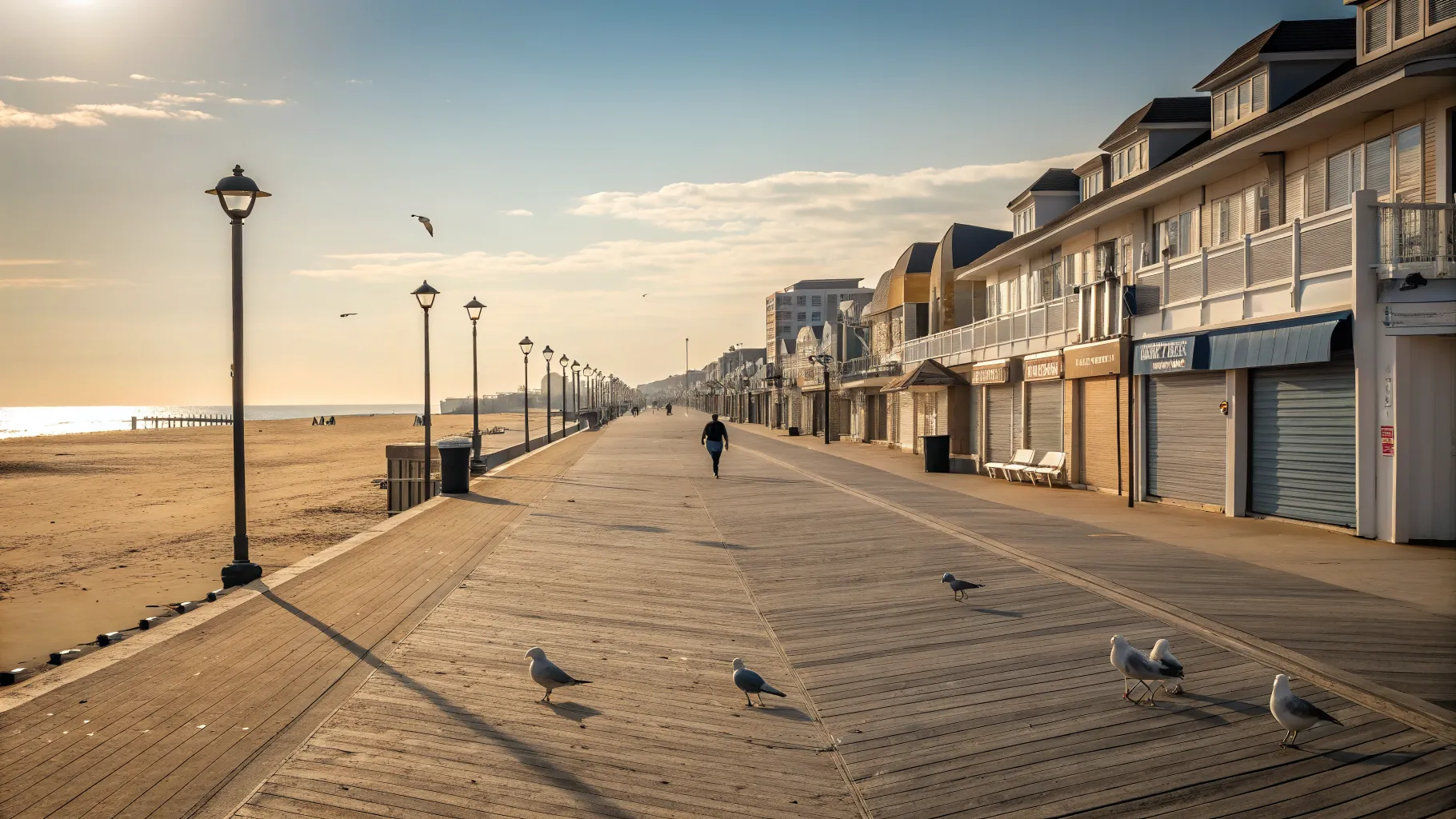
As summer crowds fade from Maryland’s shoreline, a new full-time resident is learning what year-round life in a small beach town really looks like. After relocating from a large city, the resident has found surprises that cut against the postcard image of sun and surf, raising questions about housing, work, services, and climate risks that shape daily routines long after Labor Day.
The move highlights a quiet shift along the coast. More people are staying through winter, while local economies still depend on a short, busy season. The result is a town that can feel both close-knit and stretched thin, testing how well seasonal communities support permanent residents.
Life After Summer Ends
Visitors often see boardwalk lights and busy restaurants. Residents describe a very different rhythm once the season ends. Streets empty. Hours shorten. Choices shrink.
“After moving from a big city to a small seasonal beach town in Maryland, I’ve discovered some surprising things about living here full time.”
That surprise often starts with routine tasks. Grocery options can narrow in winter. Some clinics reduce walk-in hours. Public transit may scale back routes, making car ownership more important than it was in the city.
Local officials in coastal towns have long noted the swing between peak summer and quiet winter. Residents say the calm has benefits—less traffic, a slower pace—but can also mean longer drives for basics and fewer social outlets on weeknights.
Housing and Seasonal Work Pressures
Housing shapes many of the surprises for newcomers. In summer, short-term rentals dominate. That can push up rents and limit year-round inventory in neighborhoods close to the beach. Off-season prices may drop, but stability can still be hard to find for workers tied to tourism’s ebb and flow.
Employers face their own challenge. Businesses hire aggressively for summer and scale back in fall, leaving seasonal workers piecing together winter jobs. Year-round residents with city backgrounds often bring remote roles, which can steady household income but add pressure on local infrastructure such as broadband and roads.
To cope, some towns encourage winter events and shoulder-season promotions. Residents say these efforts help keep a core of services open, though they rarely replace peak-season earnings.
Weather, Infrastructure, and Safety
Coastal living also brings storm planning into daily life. High tides and nor’easters can flood roads, close schools, and strain drainage systems. Long-term residents often keep emergency kits and track tide charts. Insurance costs can rise, adding to household budgets.
Public works crews play a key role. Dune maintenance, drainage upgrades, and road repairs are common off-season projects. Residents say clear communication—alerts, text updates, and posted detours—makes a difference when storms hit at night or during school commutes.
- Know evacuation routes and shelter locations.
- Check seasonal road closures before long drives.
- Review flood insurance terms annually.
Community, Schools, and Health Care
Winter can be quiet, but community ties often deepen. Volunteer groups organize food drives and beach cleanups. Libraries and recreation centers become hubs for classes and after-school programs. Parents say school calendars set the pace from October to March.
Health care access varies. Larger practices may be 30 to 60 minutes away, depending on the town. Telehealth helps, but specialists can require travel. For elderly residents, transportation networks and church groups often fill gaps with rides and check-ins.
Why People Stay
Despite the trade-offs, many residents describe the off-season as the area’s true appeal. Empty shorelines, strong neighborhood ties, and a sense of shared stewardship keep people grounded. Newcomers who plan for seasonal swings say they find a durable rhythm within a few months.
Residents recommend simple steps for adjusting:
- Budget with summer and winter costs in mind.
- Join local alerts and community groups.
- Support businesses that stay open year-round.
The latest arrival’s experience reflects broader coastal changes. As remote work grows and storms test aging infrastructure, small Maryland beach towns must balance visitor economies with permanent needs. The next year will show whether winter programming, housing policies, and resilience projects can keep pace.
For now, the lesson is clear: year-round coastal life is workable and rewarding, but it runs on planning. Residents will watch how towns invest between seasons, how rental trends affect neighborhoods, and how weather shapes daily habits. Those choices will determine whether the off-season remains a quiet pause—or becomes the anchor that keeps these communities strong.