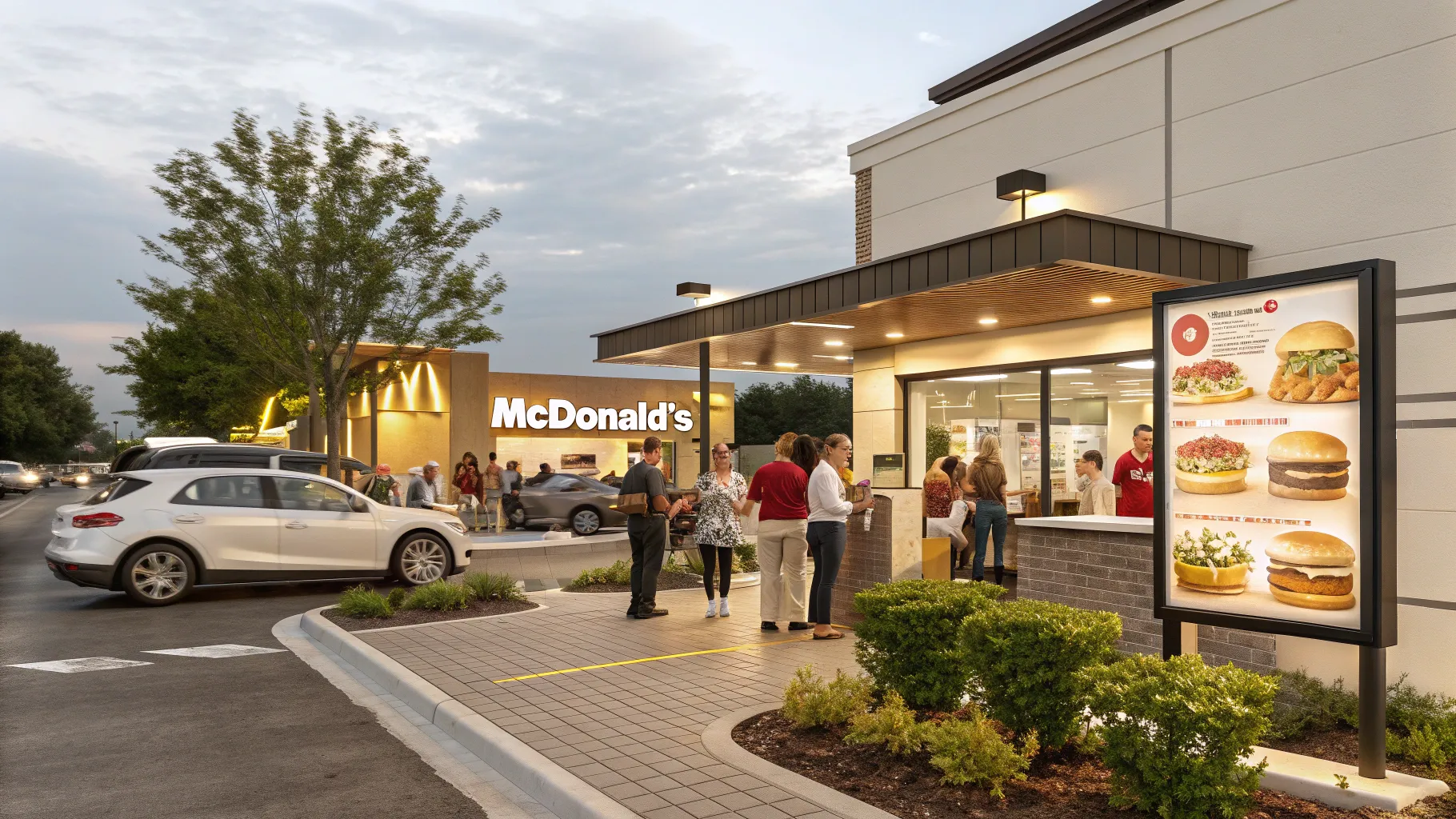
McDonald’s is doubling down on lower-priced offers as fewer budget-conscious customers visit its restaurants. The move highlights how price fatigue is shaping fast-food strategies across the United States.
The company is emphasizing bundles and discounts to keep diners coming in and to protect market share. The shift comes as households weigh higher living costs and pull back on small splurges, including dining out.
“McDonald’s has leaned into value to appeal to cash-strapped diners who have been visiting its restaurants less frequently.”
What Changed and Why
Traffic trends at quick-service chains have softened as consumers react to higher prices. Many customers are trading down, postponing orders, or choosing at-home meals. In response, McDonald’s is trying to make its prices feel fair again while keeping average checks from falling too much.
Value offers tend to matter more when wallets are tight. McDonald’s built its brand on convenience and affordability, and it is returning to those roots as a way to stabilize visits. The approach also speaks to a broader shift in consumer behavior, with diners prioritizing deals, coupons, and bundled meals.
The Value Playbook
Value at McDonald’s usually takes several forms. While the exact offers vary by market, the tactics share the same goal: boost frequency without giving away too much margin.
- Limited-time bundles that pair an entrée, side, and drink.
- App-exclusive deals and loyalty rewards to encourage repeat visits.
- Localized price points that reflect neighborhood demand.
- Breakfast specials that bring in early-day traffic.
Digital orders and loyalty programs can help offset discounts by raising engagement. When customers use the app, they tend to order more often and try add-ons. That can soften the impact of lower list prices.
Impact on Franchisees and Rivals
For franchise owners, the strategy is a balancing act. Discounts can lift visits, but they also add pressure to food and labor margins. Operators typically look for a mix of offers that drive volume while keeping costs in check.
Competitors are watching closely. Chains across burgers, chicken, and Mexican fare have rolled out bundles and “under-$5” deals at different times this year. With diners shopping for price, a clear value message can pull customers from one brand to another. Aggressive pricing, however, risks a race to the bottom if promotions are not carefully targeted.
The real test is whether lower prices spur enough extra traffic to offset tighter unit economics. If visits rise, the system benefits. If they do not, the brand may need to adjust quickly.
What It Means for Diners
For customers, more value options mean cheaper ways to buy familiar favorites. Bundled meals provide a simple price signal that feels transparent. App users often find the best deals, though that requires comfort with mobile ordering.
There are trade-offs. Deep discounts can narrow menu variety if restaurants focus on a few traffic-driving items. Wait times may stretch when promotions spike demand. Even so, value-forward lineups tend to win favor with families and price-sensitive shoppers.
Outlook and Key Questions
The next phase will depend on how consumers respond over the coming months. If traffic improves, McDonald’s may keep a steady stream of promotions while nudging prices carefully. If visits lag, the chain could sharpen discounts or expand app-only deals to reach lapsed customers.
Analysts will watch a few markers:
- Frequency: Are diners returning more often, or only for specific offers?
- Check size: Do bundles lower spend per visit, or lift add-on sales?
- Operator health: Are franchise margins holding up under heavier discounting?
- Competitive reaction: Do rival chains escalate with deeper promotions?
For now, the message is clear. Value is front and center as McDonald’s responds to a thrift-minded customer. The strategy aims to protect traffic without damaging long-term brand strength. The coming quarters will show whether the push delivers steadier visits and a healthier mix of sales.