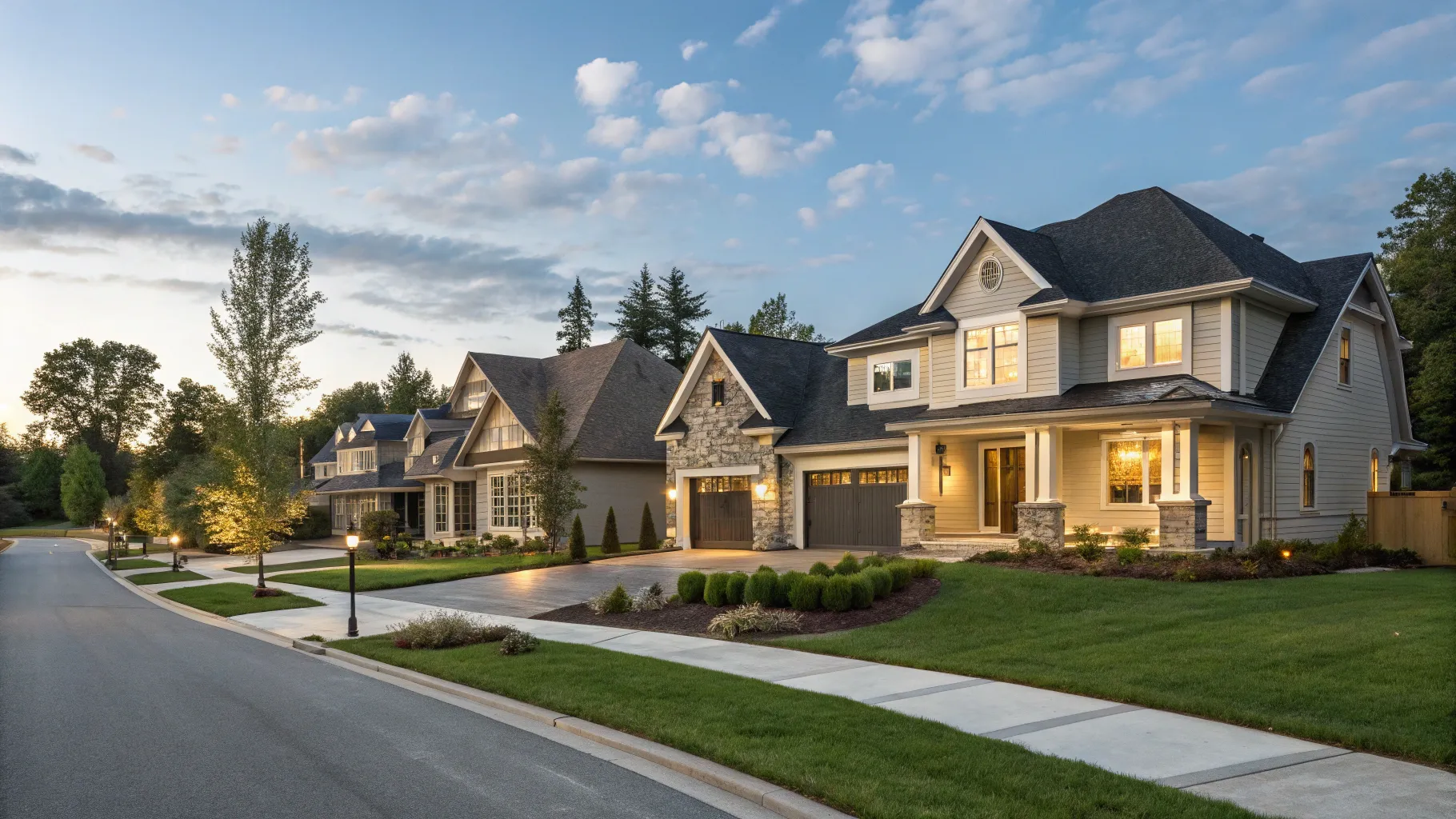
Newly built houses are now pricing closer to existing homes, narrowing the affordability gap and reshaping buyer choices, a new report shows. The shift is most visible in the South and West, where inventory has grown and builders have adjusted strategies to meet demand. The change is drawing attention from first-time buyers and move-up shoppers who have struggled with limited options and high borrowing costs.
The report highlights a market recalibration as more new listings enter the pipeline and builders respond with smaller floor plans, price incentives, and rate buydowns. While mortgage rates remain elevated compared with the low levels seen earlier in the decade, the rise in available homes in key regions is helping pressure prices and widen choice.
Background: A Market Defined by Scarcity
For much of the past few years, tight supply and rapid price growth made it hard for buyers to find affordable properties. Many existing homeowners stayed put to hold on to low-rate loans, which reduced listings and pushed shoppers to consider new construction. Builders stepped in to fill the gap, but faced higher material and labor costs that kept prices elevated.
That balance is changing. Builders have leaned on incentives and design shifts to control costs. At the same time, more spec homes have reached completion, particularly in fast-growing metros in the South and West. As inventories in those regions have improved, price competition has intensified and the gap between new and existing home prices has narrowed.
What the Report Says
The housing affordability gap narrows as new home prices become competitive with existing properties, especially in South and West where inventory increased, a new report found.
This finding points to a reset in how buyers weigh trade-offs. New homes often come with warranties, modern layouts, and energy features. Historically, those benefits carried a premium over resale properties. With price differences shrinking, the value proposition of new construction looks stronger for many households.
Regional Shifts Drive Competition
The South and West have led national building activity in recent years, supported by population growth and available land. As more homes hit the market there, price competition has sharpened. Agents in these regions report that buyers who once looked only at existing homes are now splitting tours between both options. Some are choosing new construction for predictable repair costs and builder incentives that can offset financing expenses.
In metros with more limited land supply, competition remains firm, but the broader shift suggests a meaningful easing in some local markets. If inventory continues to build, the pricing pressure could spread to other regions through the year.
How Buyers and Sellers Are Responding
Buyers are recalculating budgets and timelines. Many are open to slightly longer commutes or newer subdivisions if the monthly payment works. Sellers of existing homes are also adjusting expectations, especially for properties that need updates or carry higher maintenance costs.
- Builders are offering targeted incentives and streamlined floor plans.
- Buyers are comparing total monthly costs, not just list prices.
- Sellers are improving staging and pricing to compete with new stock.
Industry Impact and What Comes Next
For builders, tighter pricing means thinner margins unless cost controls hold. Some firms are focusing on entry-level and mid-market segments where demand remains steady. Others are phasing projects to match absorption rates and avoid oversupply. Lenders and title companies could see steadier pipelines as more transactions close, though rate volatility remains a risk.
The narrowing gap also affects appraisals and neighborhood comps. As new-home prices align with nearby resales, valuations may stabilize, reducing deal fallout tied to appraisal gaps. For local governments, increased new-home sales can add to tax bases and accelerate infrastructure planning.
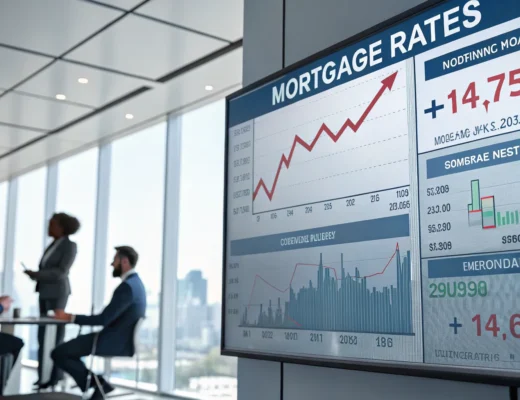
The key factors to watch include mortgage rates, build times, and the pace of new listings. A sustained increase in inventory would likely keep pressure on prices. If rates ease, pent-up demand could meet this new supply and support a more balanced market.
The latest finding signals a shift from scarcity to choice in parts of the country. If the trend spreads beyond the South and West, more shoppers could find workable options without stretching budgets. For now, the message is clear: new construction is no longer out of reach for many buyers, and that competition is reshaping the path to homeownership.