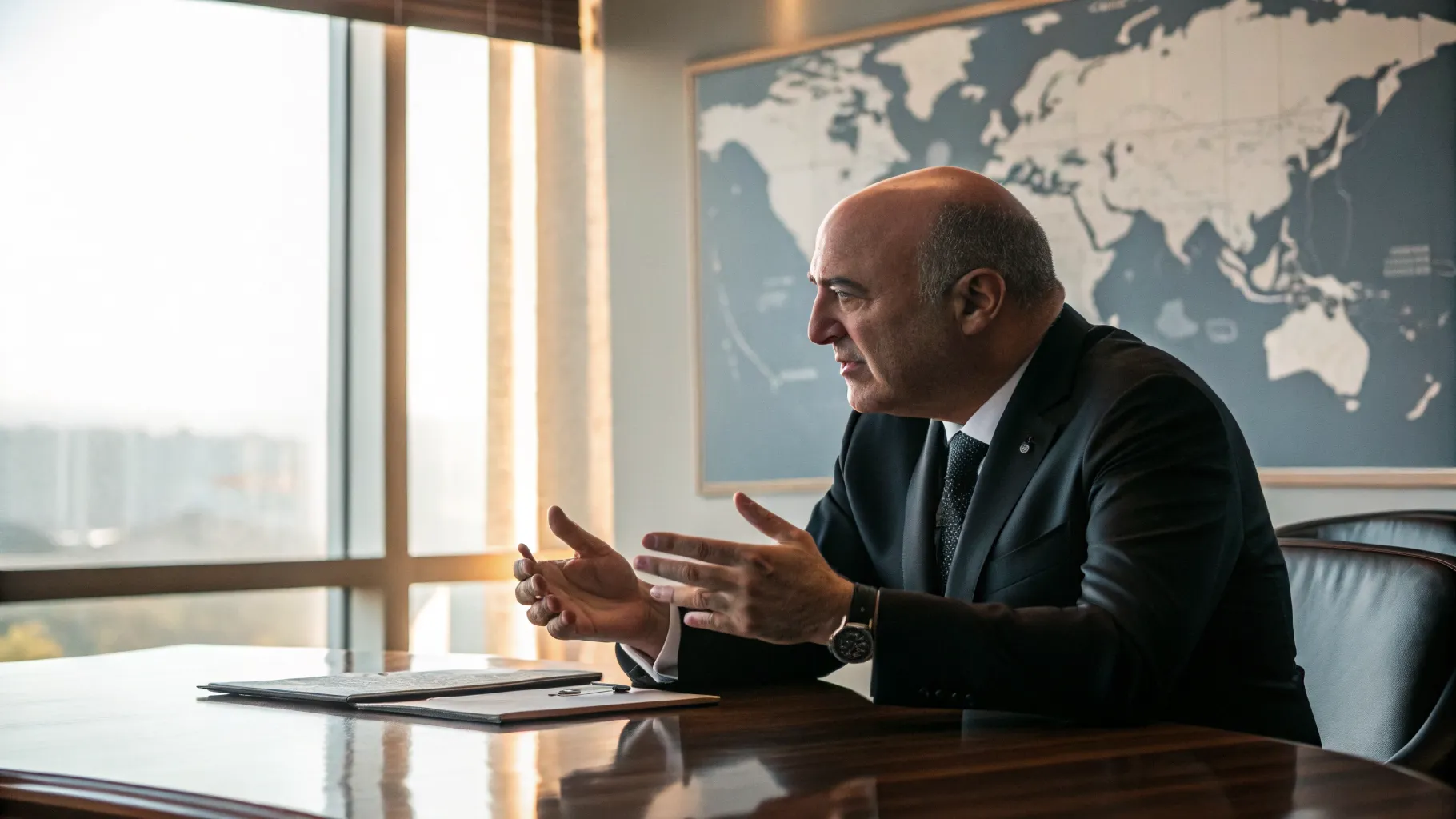
Investor Kevin O’Leary weighed the stakes of U.S.–China trade policy, a federal deadline facing TikTok, and unrest tied to immigration enforcement in Los Angeles, arguing that policy clarity will shape business decisions in the months ahead. The chairman of O’Leary Ventures addressed the business fallout as the White House announced a trade deal with China, regulators pressed for a TikTok ownership change, and protests over immigration enforcement turned violent in parts of the city.
His comments came as markets and manufacturers sought to price in the effects of tariff shifts and as tech companies confronted new compliance demands. The discussion centered on how these decisions may affect supply chains, consumer data security, and public safety.
Trade Deal With China Raises Economic Questions
The announced U.S.–China trade deal signaled a pause in a years-long tariff fight that disrupted planning for exporters and retailers. For companies in electronics, apparel, and machinery, tariff rates have guided where they source parts and how they set prices. A public pledge to reduce friction can lower costs and restore predictability for quarterly budgets.
Businesses will look at the fine print: enforcement, timelines, and purchase commitments. Past trade talks showed that targets for agricultural and industrial goods can slip when demand weakens or logistics tighten. Without steady follow-through, companies may hesitate to make capital investments or sign long-term contracts.
O’Leary framed the deal as a near-term relief for importers but warned that firms still face higher financing costs and longer lead times than they did before tariffs. The bigger test is whether compliance rules and penalties are clear enough to guide decisions on hiring and inventory.
TikTok Deadline Puts Data and Ownership in Focus
The looming federal deadline for TikTok highlights a clash between national security policy and digital business models. The government has pressed for a change in ownership or a divestiture to keep U.S. user data under domestic oversight. That would reshape one of the world’s largest short-video platforms and affect countless creators and advertisers.
Tech executives say moving data centers, rewriting code, and building new governance structures take time. Regulators argue that risks tied to data access are immediate and require firm deadlines. O’Leary noted that advertisers and brands want a clear path forward because campaign planning stretches several quarters.
Some policy experts favor a sale to a U.S.-controlled entity, while civil liberties groups warn about speech risks if a ban limits access to a dominant social app. For investors, the outcome sets a template for how Washington will handle foreign-owned apps that collect sensitive information.
Los Angeles Unrest Highlights Immigration Flashpoints
Protests against Immigration and Customs Enforcement in Los Angeles escalated into property damage and clashes with police, reflecting deep divisions over detention, deportations, and local cooperation with federal agents. The city has long wrestled with how to balance community trust with enforcement demands.
Business owners near protest zones reported lost sales and higher security costs. Labor groups and immigrant advocates called for policy changes to reduce detentions and expand legal protections. Law enforcement leaders emphasized the need to protect both public safety and the right to protest.
O’Leary pointed out that recurring unrest adds operating risk for retailers, restaurants, and logistics firms. Insurers may raise premiums, and companies may alter store hours or delivery routes to protect staff and customers.
What Companies Are Watching
- Enforcement in the trade deal: Verification, tariffs that snap back, and dispute timelines.
- TikTok compliance steps: Data storage, source-code reviews, and board oversight.
- Urban operating risk: Insurance coverage, security spending, and employee safety policies.
Market and Policy Outlook
Supply chains will not reset overnight. Even with a trade deal, firms may keep backup suppliers in Vietnam, Mexico, and India. That hedging adds cost but limits disruption if talks falter. Retailers are likely to test lower prices if tariffs ease, though savings may reach consumers in stages as old inventory clears.
In tech, any forced sale or operational firewall for TikTok could trigger similar reviews for other apps. Investors will look for a repeatable framework that addresses risk without wiping out ad markets. Clear standards on data localization and auditing would help platforms plan infrastructure spending.
For cities, officials may seek measures that lower the chance of property damage during large protests, such as better crowd routing and more transparent communication. Companies will continue contingency planning, including remote work shifts and flexible delivery windows.
The near-term picture is mixed: a trade truce that could cut costs, a high-stakes deadline that could reshape a social media giant, and urban unrest that raises operating risks. O’Leary’s assessment points to one theme—policy certainty drives investment. Businesses will watch for concrete enforcement steps in the China deal, a definitive path on TikTok’s ownership and data controls, and signs that civic leaders and law enforcement can keep protests safe. Those signals will guide hiring, pricing, and capital spending through the next cycle.