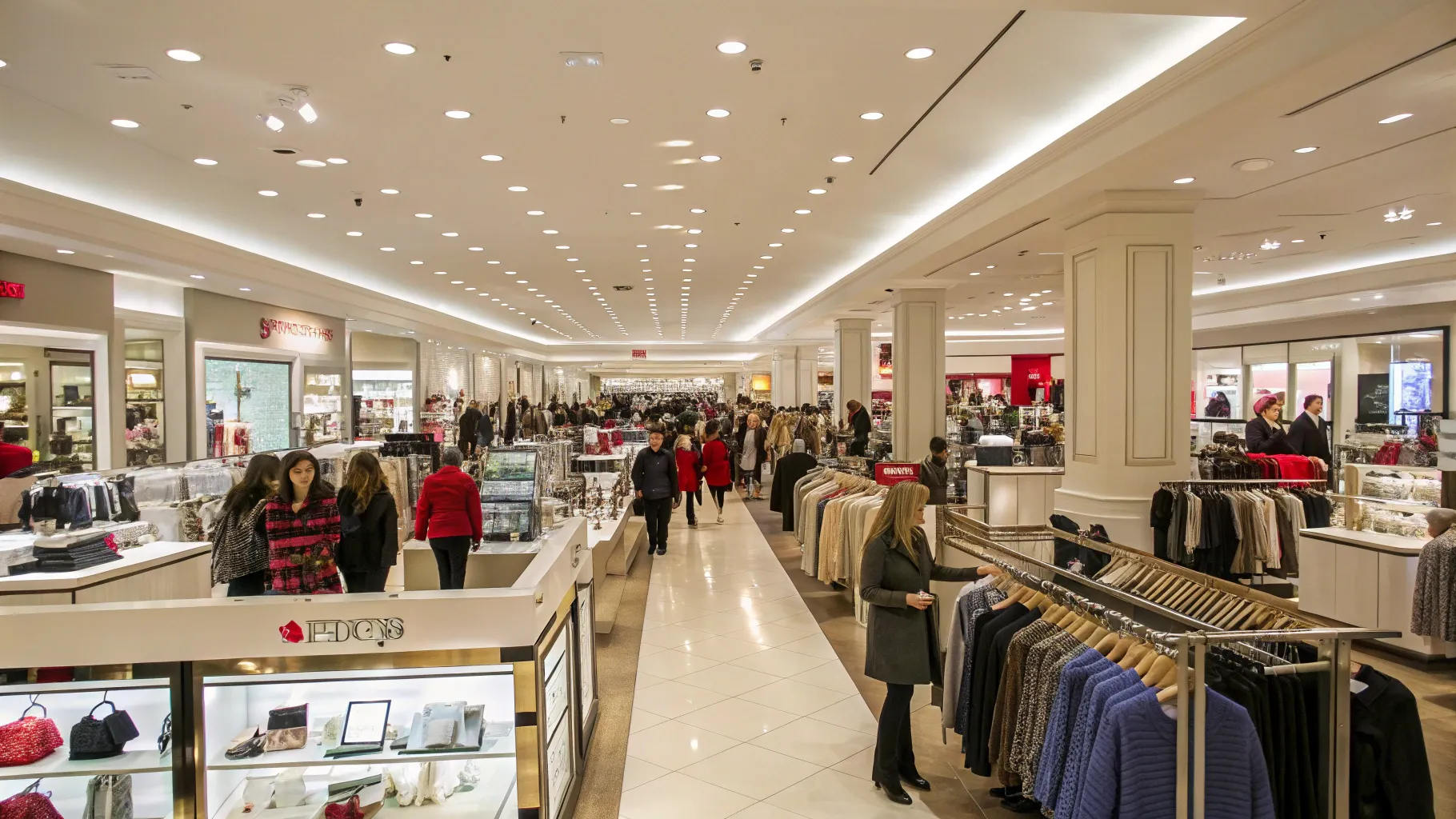
Saks’ bankruptcy is reshaping department store competition, and Macy’s stands to benefit. The filing jolts the luxury retail market and redirects shoppers, brands, and landlords. It raises urgent questions about store closures, inventory, and consumer confidence as the sector heads into a crucial retail year.
The immediate stakes are clear. Saks’ fate will affect prime leases, vendor payments, and a group of affluent customers. Macy’s, with scale and nationwide reach, is well placed to capture share if disruption persists. The timing matters as retailers plan assortments and holiday strategies.
Industry Shake-Up And Historical Context
Department stores have faced years of pressure from e-commerce and off-price chains. Several chains have closed stores or restructured to reduce debt and focus on profitable locations. Luxury retail has been more resilient, helped by loyal customers and high margins, but it is not immune to weaker demand and higher costs.
Saks’ bankruptcy introduces new uncertainty. Creditors will push for a plan that preserves value. That could mean store closures, renegotiated leases, and tighter buying budgets. Brands that rely on Saks for distribution will weigh if they need new partners to protect sales.
Macy’s has navigated its own turnaround plans. It has tested smaller-format stores, invested in digital, and streamlined its footprint. A competitor’s turmoil can accelerate Macy’s plans by opening doors with brands and landlords now seeking stable anchors.
Why Macy’s May Gain
Macy’s has broad geographic coverage and a large loyalty base. It can move quickly to absorb displaced demand if Saks reduces operations in key markets.
- Brands may shift shop-in-shops or exclusive lines to Macy’s.
- Landlords could court Macy’s for prime space if leases free up.
- Affluent shoppers may migrate for service, selection, and availability.
Vendor relationships matter. If Saks slows payments during court proceedings, suppliers may seek safer channels. Macy’s balance sheet and order volumes can offer more predictable sell-through. That stability can secure priority allocations of scarce or high-demand goods.
Digital shopping is another factor. Macy’s online marketplace and omnichannel tools can capture traffic from customers searching for items once bought at Saks. Fast fulfillment and easy returns can keep those customers engaged.
Signals To Watch In The Coming Weeks
Several near-term developments will shape outcomes. Store closure lists, debtor-in-possession financing terms, and vendor programs will reveal the depth of the reset. If inventory tightens at Saks, availability gaps will emerge in beauty, footwear, and occasion wear.
Promotional activity will be telling. Aggressive discounting during reorganization can train shoppers to wait for deals. Macy’s must balance price competitiveness without eroding margins.
Impact On Shoppers And Brands
For shoppers, service continuity is key. Gift registries, returns, and alterations can be disrupted during a bankruptcy. Macy’s can win trust by offering clear alternatives and timely communication.
Brands face distribution risk. Luxury and premium labels often select limited partners to protect image and margins. A Saks retrenchment could push them to test placements at Macy’s flagships or online marketplace, with careful control over presentation and price.
Beauty and accessories could shift fastest. These categories rely on counters, specialists, and steady replenishment. Any pause in that flow at Saks will favor retailers with trained staff and consistent stock.
What Experts Are Saying
“With Saks’ bankruptcy, Macy’s has the wind at its sails.”
The sentiment reflects near-term share gains for Macy’s if it executes cleanly. Analysts also warn that sector-wide demand remains uneven. Consumers are trading down in some categories while still spending on travel and events. Macy’s must target growth without overextending inventory.
Outlook And Scenarios
Two paths are plausible. If Saks exits bankruptcy quickly with focused stores and strong financing, disruption could be brief. Macy’s would see a modest bump in traffic and new brand talks.
If the process is prolonged or deeper cuts occur, Macy’s could capture meaningful share in top urban and suburban centers. That would help its turnaround and strengthen bargaining power with vendors and landlords.
Either way, the episode will test which department stores can provide consistent service, curated assortments, and healthy finances. Macy’s has an opening, but execution will decide how much it gains.
Macy’s next steps should center on vendor outreach, localized assortments near affected Saks markets, and targeted marketing to high-value shoppers. The broader sector will watch how quickly stability returns, how brands reallocate, and whether consumers keep spending on premium goods through the year.