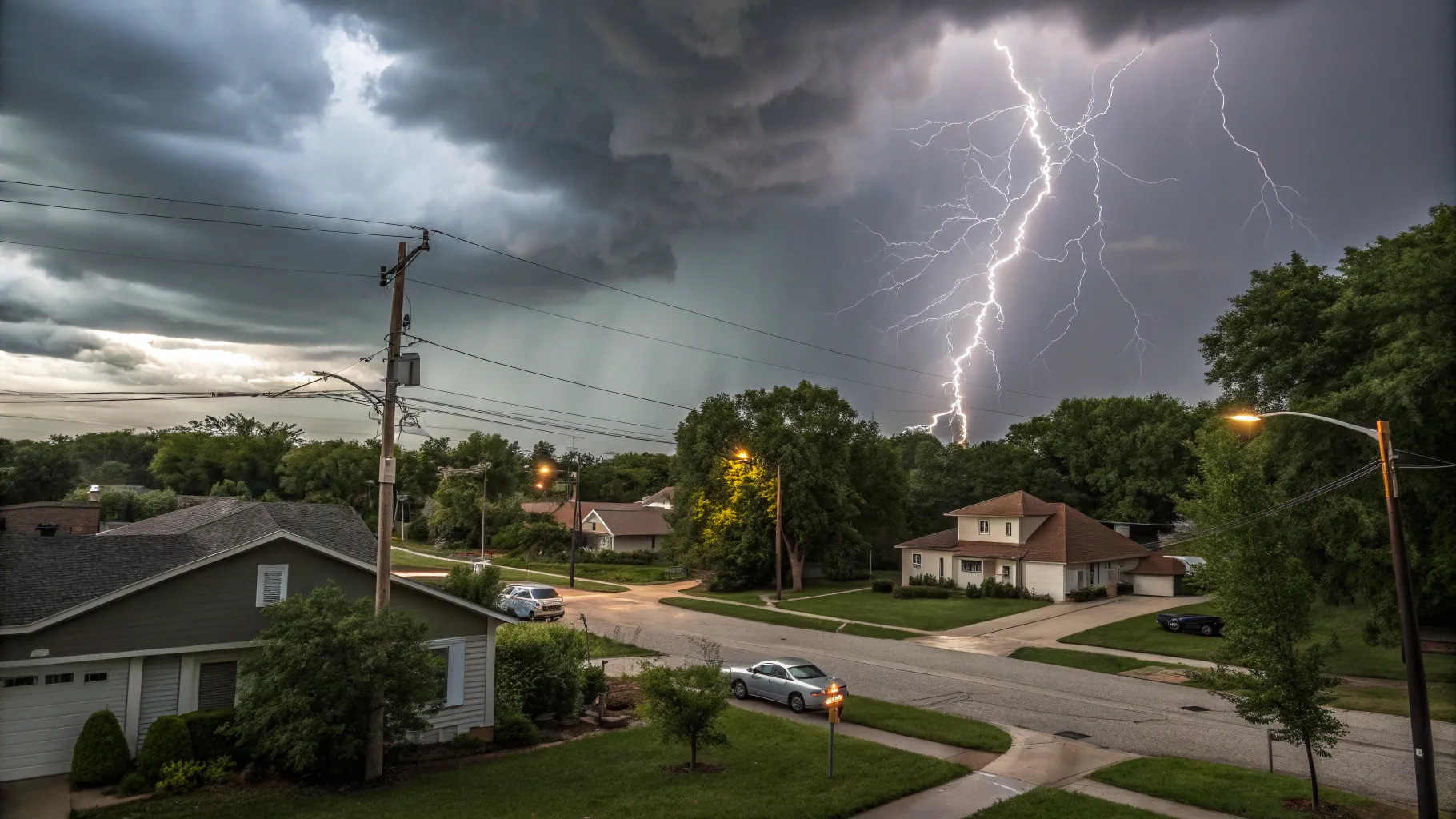
As storm systems sweep across communities this season, emergency managers warn that strong winds and heavy rain are likely to damage homes and cut electricity. Local utilities have crews on alert while public works teams clear drains and check vulnerable areas.
The risk rises when saturated soil, aging infrastructure, and thick tree cover combine. Officials say the aim is to keep roads open, protect neighborhoods from flooding, and restore power quickly after outages.
Background: Weather Is A Leading Cause Of Outages
Weather has long been a leading cause of power failures across the United States, according to federal energy and emergency agencies. Wind knocks trees into lines. Water seeps into underground systems and substations. Lightning damages equipment.
In recent years, national weather monitors have tracked more frequent costly disasters. Warmer oceans and shifting storm tracks can intensify rainfall and wind fields. Communities that once saw a few major events per decade now plan for several each year.
Public works departments also face strain from back-to-back storms. Storm drains clog with debris. Rivers swell after days of rain. Even modest additional rainfall can trigger flash floods.
What Officials Are Saying
“The rain and high winds experienced during stormy weather can damage homes and cause power outages.”
Emergency planners echo that message in briefings to residents. They point to windborne debris, falling limbs, and localized flooding as the main risks. Utility representatives add that crews are staged near known trouble spots, including tree-lined corridors and older feeder lines.
Home insurers also brace for claims tied to roof damage and water intrusion. Adjusters say small fixes can prevent larger losses, such as clearing gutters and securing loose shingles before a system arrives.
Damage And Infrastructure Challenges
Storm damage follows familiar patterns. High winds topple shallow-rooted trees after days of rain. Branches tear down conductors and block arterial roads. Saturated ground weakens poles and guy wires. Prolonged rain drives water into basements, crawl spaces, and electrical panels.
Infrastructure design matters. Newer neighborhoods often feature underground lines, which are safer from wind but still vulnerable to flooding. Older systems may rely on overhead lines with less clearance from trees. Maintenance cycles, tree trimming practices, and substation upgrades all shape outage duration.
Local governments weigh the cost of burying lines against targeted reinforcement. Experts often recommend a mix: harden critical feeders, improve vegetation management, and add automated switches that isolate faults.
Preparation And Response
Emergency coordinators urge households to build a simple plan before storms arrive. Utilities ask customers to report outages through official apps or websites so dispatchers can pinpoint faults and prioritize repairs for hospitals and other essential sites.
- Secure outdoor items and trim problem branches away from structures.
- Charge phones and back-up batteries; keep flashlights ready.
- Do not touch downed lines; treat every line as energized.
- Check sump pumps and clear gutters and street inlets.
- Store potable water and nonperishable food for at least three days.
Shelters may open if power failures last or if floods displace residents. Transportation departments monitor low-lying underpasses and post detours to keep traffic moving while crews remove debris.
Trends And What Comes Next
Regional utilities continue to invest in grid modernization. That includes stronger poles, wider tree clearances, and sensors that reroute power around damaged sections. Cities test flood barriers near key stations and pumps along riverfronts.
Forecasters stress the importance of timing. A wind event after a soaking rain tends to produce more downed trees. Coordination between weather offices, utilities, and emergency teams helps anticipate where damage may be worst.
Insurers and housing officials also track claims data to find hot spots. Repeated losses in the same blocks can signal drainage failures or outdated building codes. Some jurisdictions respond by updating roofing standards or requiring backflow valves.
Residents remain the first line of defense. Simple maintenance and clear communication help reduce risk and speed recovery. As the season continues, officials advise keeping storm kits stocked and following local alerts for evacuation or road closures.
The picture is clear: rain and wind will test homes and power networks again. The focus now is on readiness, rapid repair, and smarter investment. Communities that plan ahead stand to cut downtime, limit damage, and bring people back to normal faster when the next storm arrives.