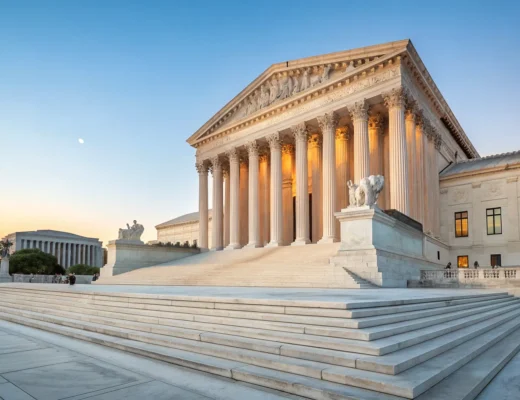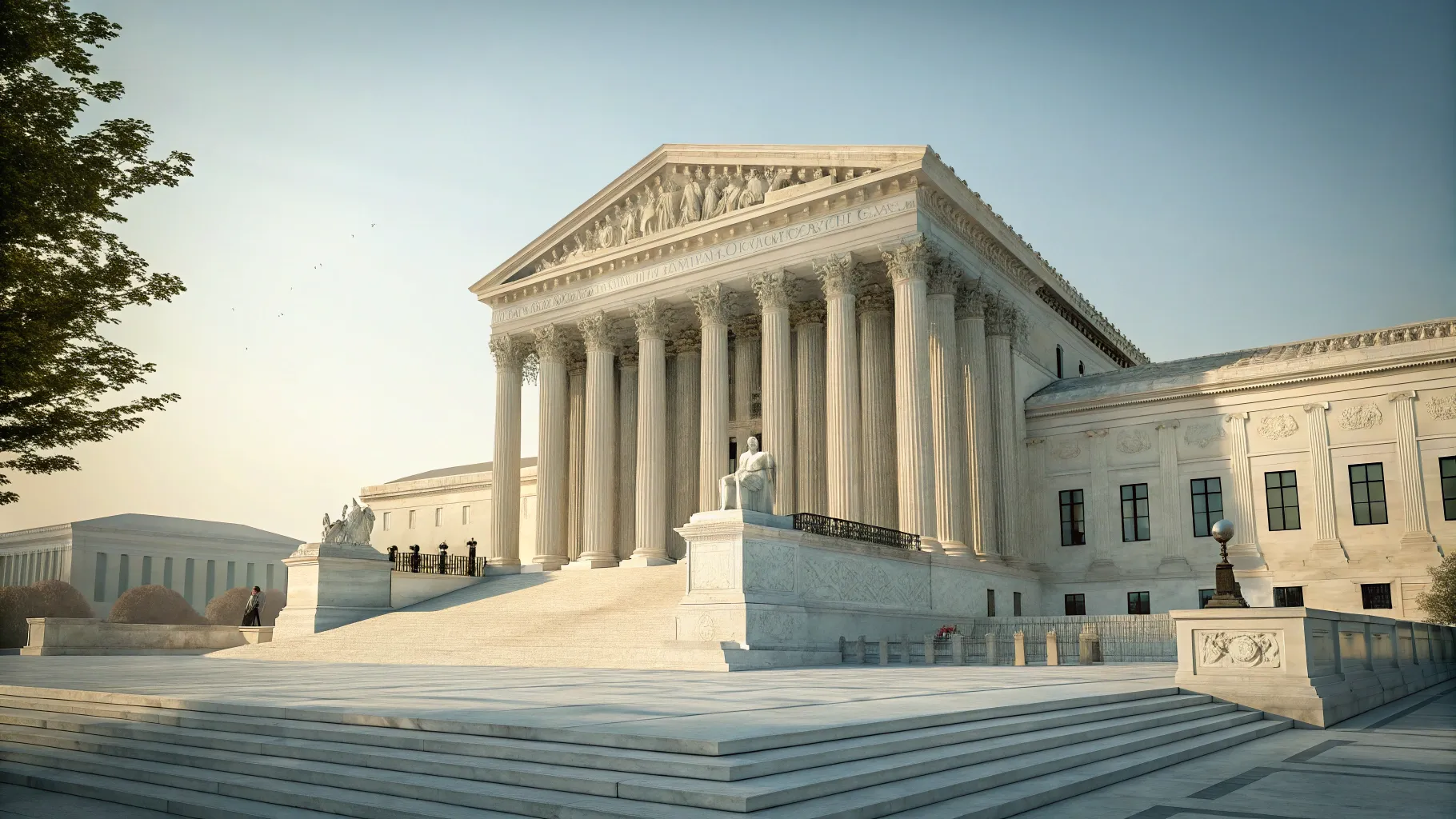
The U.S. Supreme Court is poised to consider a core presidential tariff power used during the Trump years, a move that could reshape how future administrations tax imports. At issue is whether a favored legal tool for rapid tariff action will remain intact. Even if the justices narrow that authority, trade experts say tariffs will not disappear. Presidents still hold several tools to raise import taxes or restrict trade.
What Is At Stake
The central question concerns a statute that lets presidents cite national security to levy tariffs without new action from Congress. Former President Donald Trump leaned on this power to impose broad duties, most prominently on steel and aluminum in 2018. That step placed a 25 percent tariff on most steel and a 10 percent tariff on most aluminum, citing risks to domestic production.
Recent legal challenges have argued that Congress gave the executive branch too much discretion. If the Court tightens the standard or limits how the law is used, it could curb rapid, sweeping tariffs based on security claims.
“The U.S. Supreme Court may soon rule on President Trump’s favorite tariff law. It could render them moot, but that doesn’t mean the end of tariffs.”
Other Tariff Paths Presidents Can Use
Even if one statute is curtailed, a president has other options. These tools come with different legal hurdles and timelines, but they can target imports in broad or narrow ways.
- Section 301 of the Trade Act of 1974: Allows tariffs in response to unfair trade practices. The Trump administration used it to tax goods from China. The Biden administration has maintained many of those tariffs and raised some rates on strategic products.
- Section 201 Safeguards: Permits temporary tariffs or quotas when a domestic industry is injured by a surge in imports, regardless of unfair practices. These require investigations by trade agencies.
- Antidumping and Countervailing Duties: Case-by-case tariffs imposed after findings that foreign companies dump goods or receive unfair subsidies. These actions follow investigations by the Commerce Department and the U.S. International Trade Commission.
- International Emergency Economic Powers Act (IEEPA): Broad authority to restrict certain transactions during a declared national emergency, more often used for sanctions but also relevant to trade.
- Procurement and Investment Tools: The government can restrict federal purchasing from certain countries and screen inbound investment for national security risks, shaping supply chains without across-the-board tariffs.
“We explain the president’s back-up options for imposing tariffs.”
How We Got Here
Tariffs surged back into U.S. economic policy in 2018 as the Trump administration sought to revive domestic manufacturing and confront China. The steel and aluminum duties were followed by sweeping tariffs on Chinese imports under Section 301. Those measures covered hundreds of billions of dollars of goods and were met with retaliation.
Courts upheld much of this activity, but legal scrutiny has grown. Business groups and some lawmakers argue that Congress never meant to hand over such open-ended power. Unions and certain manufacturers counter that quick action is necessary when imports threaten jobs and capacity.
What Limits Could Mean
A ruling that narrows national security tariff powers would force the White House to rely more on tools that require investigations and detailed findings. That would slow decisions and could make tariffs more targeted.
Supporters say tighter rules would bring predictability for importers and prevent sudden shocks to supply chains. Critics warn it could weaken the government’s ability to respond to fast-moving threats or coercive trade tactics.
Industry Impact and Consumer Costs
Tariffs can raise costs for manufacturers that buy imported inputs, while offering relief to competing domestic producers. The 2018 steel tariff raised input prices for sectors from autos to construction, though supporters credit it with stabilizing U.S. mills.
Consumers often feel the effect through higher prices for finished goods. The degree of pass-through depends on competition, exchange rates, and how quickly firms can switch suppliers.
Global and Political Ripples
Trading partners watch U.S. tariff shifts closely. Broad duties risk retaliation and disputes at the World Trade Organization. Tighter legal standards at home could reduce friction abroad, but they also might encourage more use of targeted measures that still bite.
Politically, tariff authority is a cross-party issue. Some lawmakers want Congress to reclaim more control over trade. Others want to keep strong executive tools for strategic sectors like clean energy, semiconductors, and critical minerals.
What To Watch Next
The key signals will be how the Court frames presidential discretion and what tests it sets for using security-based tariffs. Agencies may respond by documenting risk more extensively. The White House, regardless of party, is likely to lean harder on Section 301, safeguards, and trade remedies.
“It could render them moot, but that doesn’t mean the end of tariffs.”
Bottom line: Even a sharp ruling will not erase tariff tools. It will change which ones matter most. Watch for narrower, more legally fortified actions and a longer paper trail behind each new import duty.