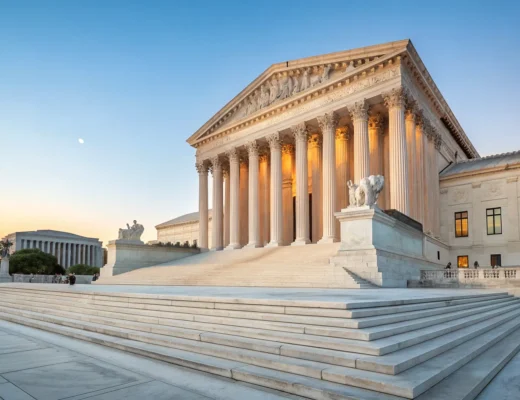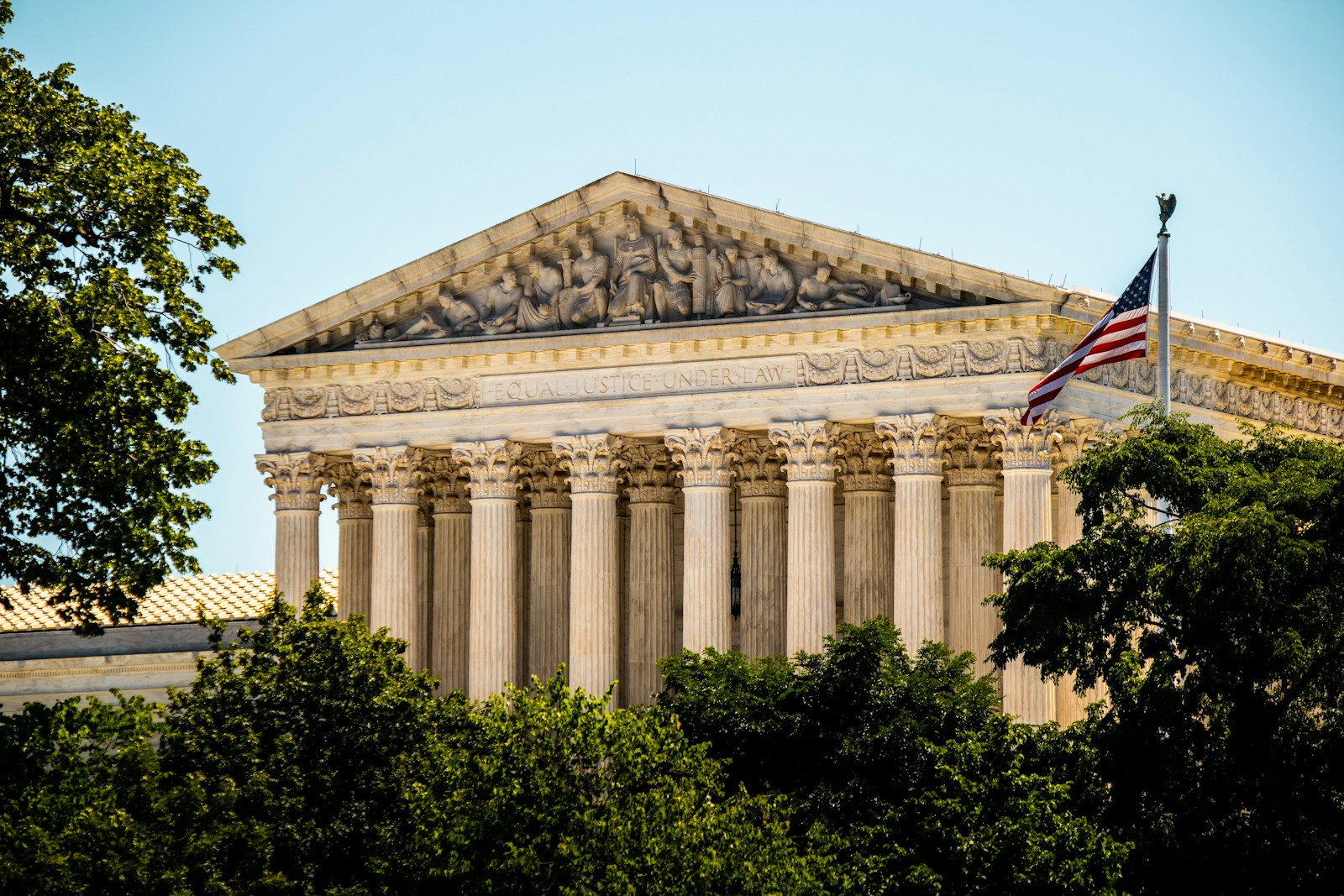
With trade policy and presidential authority on the line, the Supreme Court is set to decide whether a president can use emergency powers to impose tariffs across the globe. Three lower courts have ruled the move unlawful. The high court’s review could reset the balance between Congress and the White House on trade.
The dispute centers on tariffs ordered during Donald Trump’s presidency. The measures were justified as an emergency action. The question is whether existing law lets a president levy duties without a clear mandate from Congress. The court’s decision will ripple through the economy, foreign policy, and the next administration’s options.
The Case and What’s at Stake
Lower courts found that emergency statutes were stretched beyond their limits when used to set worldwide tariffs. The rulings said such taxes on imports are a legislative function. They also said Congress did not grant authority for a blanket global action under emergency law.
“Three lower courts have ruled illegal President Donald Trump’s use of emergency powers to impose worldwide tariffs.”
The Supreme Court now steps in. The court includes three justices appointed by Trump. They have often viewed executive power broadly in prior cases. That alignment adds interest to a dispute about the reach of the Oval Office.
“Now the Supreme Court, with three justices Trump appointed and generally favorable to muscular presidential power, will have the final word.”
A Long Fight Over Trade Authority
Trade is a shared power. The Constitution gives Congress authority to regulate commerce with other nations. Over decades, lawmakers delegated some of that role to the executive branch. Statutes let presidents respond to national security threats, unfair trade, or emergencies.
Two laws often shape these fights. The Trade Expansion Act’s Section 232 lets a president curb imports that harm national security. The International Emergency Economic Powers Act (IEEPA) allows actions to counter unusual and extraordinary threats. Courts now must decide if emergency powers cover broad tariffs, not just sanctions or targeted measures.
Legal history looms large. In 1952, the Supreme Court checked President Harry Truman’s attempt to seize steel mills during war. That case set a framework: presidential power is strongest with clear congressional backing and weakest when acting against Congress’s will. The current case tests where emergency tariffs fit on that spectrum.
Competing Arguments
Supporters of strong executive authority say presidents need speed when a threat hits supply chains or national security. They argue Congress gave wide discretion in emergency laws. They warn that delays can harm key industries and defense readiness.
Critics respond that tariffs are taxes and trade policy, which are Congress’s job. They say emergency laws were not meant to rewrite tariff schedules. They warn of a blank check that could upset markets, strain alliances, and bypass debate.
Trade lawyers say the text of the statutes will drive the outcome. If the language clearly authorizes broad tariffs during an emergency, the president could prevail. If not, the court may limit emergency tools to targeted actions, such as sanctions on specific entities or sectors.
Economic and Diplomatic Impact
Tariffs affect prices, supply chains, and investment. Businesses plan production years ahead. Sudden, global duties raise costs and force quick shifts. Consumers can face higher prices on cars, appliances, and electronics. Exporters risk retaliation from trading partners.
Allies watch closely. Broad tariffs can hit friendly nations, not just rivals. That can complicate defense cooperation and trade talks. A ruling that narrows emergency tariff power may reassure partners that trade changes will go through Congress.
On the other hand, a decision upholding broad authority would give future presidents leverage in negotiations. It could also invite more frequent use of emergency declarations in economic disputes.
What the Court Could Do
- Uphold broad emergency authority, validating global tariffs.
- Allow only narrow, targeted actions under emergency law.
- Limit the ruling to procedure and send the case back.
Any outcome will guide future presidents and Congress. Lawmakers could respond with new limits or clarifications, especially on how and when emergency declarations can alter tariffs.
The ruling will clarify who sets the nation’s trade rules in a crisis. It will shape the tools any president can use and how quickly policy can shift. Businesses, allies, and voters should watch for a decision that defines the reach of emergency powers and the role of Congress in trade. The court’s call will set the terms of the next trade fight before it even starts.