Facial recognition has quietly become part of our everyday routine. Whenever we unlock our phones with a glance or quickly look for a funny photo of a loved one, this technology is working behind the scenes to verify who we are. What once felt futuristic is now second nature. Beyond convenience, facial recognition adds an extra layer of security to our digital lives. But what if I told you it is making a meaningful impact in our real lives too?
Using facial recognition for good: locating missing persons
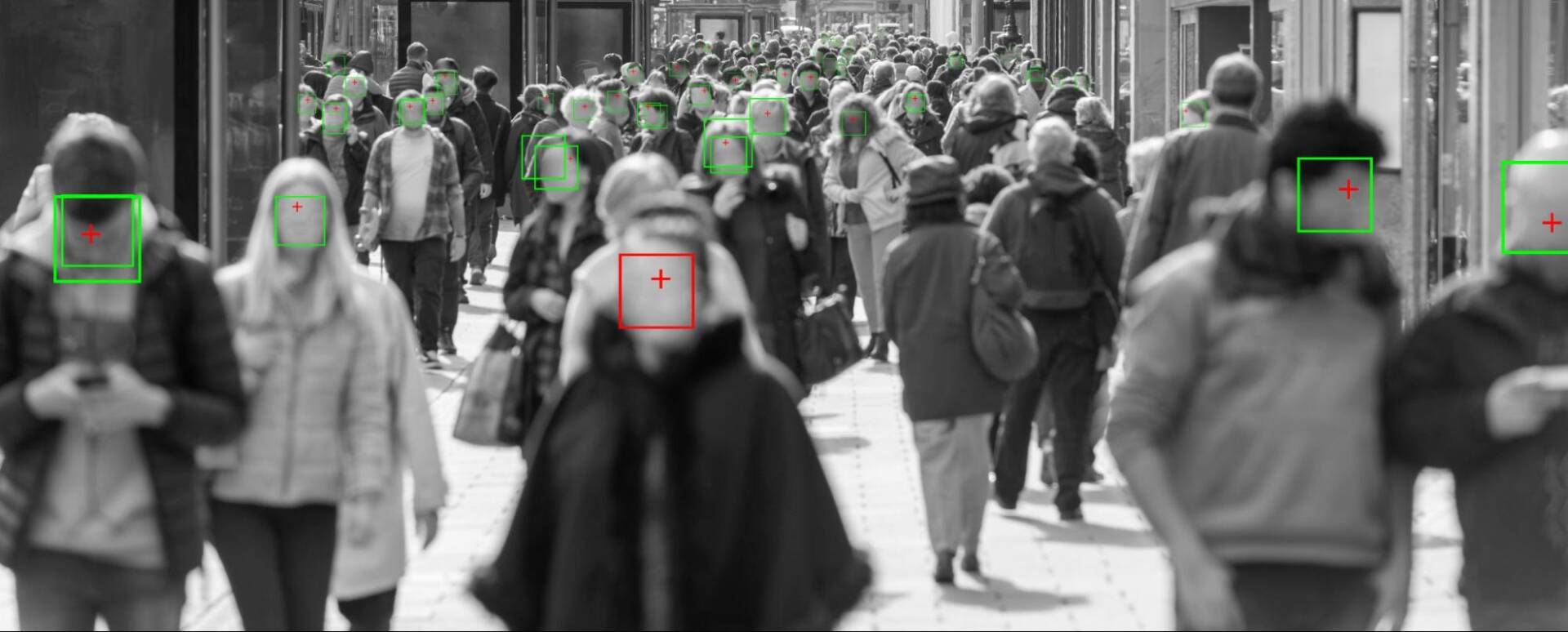
AI in surveillance camera technology has already aided in finding countless missing people. This technology helps law enforcement quickly scan large amounts of video and photo data in just minutes instead of days. It works by picking out important facial features, like how far apart the eyes are or the shape of a nose, and matching them to databases of missing people. As a result, the chances of safe reunions have gone up.
An early case which showed facial recognition’s potential took place in China, when a toddler was abducted in 1988. Mao Yin was sold to a childless couple in Sichuan province. In April 2020, police used facial recognition to analyse an old photo of Mao as a boy and generated a simulated image of what he might look like as an adult. They compared this image with photos in the national database. After 32 years, Mao Yin was finally reunited with his biological family, who had never stopped looking for him.
Even in the UK, this software has started rolling out at sports events, which has helped locate missing people and vulnerable individuals. For instance, Greater Manchester Police reported in November 2025 that live facial recognition at Manchester’s Piccadilly Gardens, helped locate a man who had been reported missing from NHS care.
South Wales Police also used this software at concerts for Taylor Swift and the Foo Fighters in Cardiff. During autumn 2024 operations, scanning watchlists led to officers locating a missing person. In light of numerous cases, Susannah Drury, UK Director of Policy and Development at Missing People, reaffirmed facial recognition’s use in finding missing people. She also stressed ‘live facial recognition is already subject to strong safeguards and rigorous oversight’.
Another case in Wales allowed a mother the opportunity to see her dying son in hospital one last time, after police had pulled an unconscious man out of a river in 2019. With no ID found, identifying him would ordinarily have taken 10 days – time the man did not have. The new technology by South Wales Police allowed them to identify him within 10 minutes.
Dahua Technology and Axis Communications: facial recognition solutions to ensure compliance with Martyn’s Law
In the wake of Martyn’s Law (2025), venues with capacities exceeding 100 guests must integrate anti-terrorism measures into their security framework. Additionally, premises with over 800 individuals require even more serious protocols. As security struggles with the enormous task, technological advancements have transformed the way the public is protected and is now commonplace across law enforcement.
Live Facial Recognition technology has already been used by South Wales police since 2023, scanning more than 2.5 million faces, with no false alerts created. By law, people not on a watchlist cannot be identified, because the police delete images with alerts immediately after using them, or within 24 hours, and images and biometric data of those who don’t cause an alert are automatically and immediately deleted.
Technology such as Dahua’s WizMind can facilitate behaviour analysis in public spaces, helping identify suspicious activities and enhancing public safety in crowded areas. Furthermore, Dahua’s deep learning algorithm, combined with thermal technology, also monitors accurate threat perception in crowds. Additionally, its AI system can alert authorities, ensuring a rapid response and strengthening public security.
Similarly, Axis Technology’s FaceMe technology integrates with its product line to provide face detection and face template extraction. FaceMe’s facial recognition lets security teams get instant pop-up alerts through channels like Slack and Microsoft Teams. These notifications help teams know right away when VIPs, employees, or blocklisted people arrive, making premises security more efficient.
Artificial intelligence and facial recognition: a human story
For decades, missing person cases have relied on time, luck, and fading leads. Today, artificial intelligence is reshaping that reality. Its incorporation into surveillance has also revolutionised crowd monitoring, advancing the course of public security.
AI-powered surveillance is often debated in terms of efficiency, data and security metrics. Yet at its core, its greatest impact is profoundly human. It is the mother who sees her son one last time. The vulnerable man brought home. The child reunited with parents who never stopped searching. A bridge between loss and reunion, fear and relief. When this technology is blended with care and accountability, it does more than recognise faces. It recognises hope.