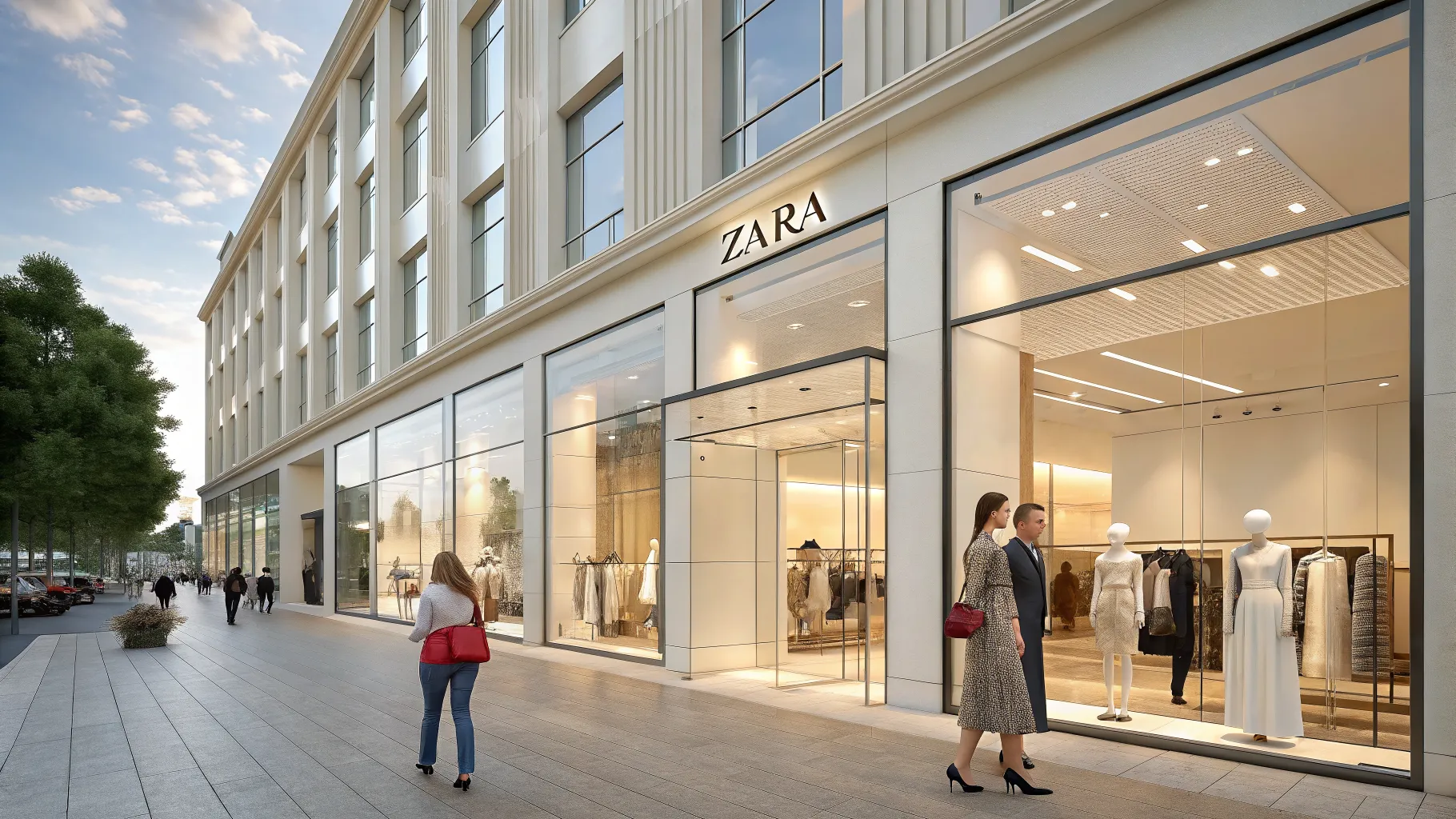
Inditex, the Spanish owner of Zara, reported record sales of €40 billion and net income of €6.2 billion, signaling a clear shift toward higher-end shoppers seeking design over discounts. The figures cap a year in which the group leaned into fashion-led collections, store upgrades, and full-price selling across key markets.
The strategy, centered on competing through style rather than cost, points to a reshaping of fast fashion for an audience that values speed and aesthetics. It also shows how major chains are adapting to inflation, online rivals, and rising rules on sustainability.
A Style-First Strategy
“Zara’s strategy of competing on style rather than cost has helped Inditex report record sales of €40bn and net income of €6.2bn as it targets affluent shoppers.”
Inditex has been known for rapid design cycles and tight control of its supply chain. In the past two years, the group has pushed more premium capsules, improved fabrics, and expanded tailoring and occasion wear. Analysts say this mix lifts average selling prices and reduces markdowns.
Shoppers have seen bigger, brighter flagships with curated displays and streamlined checkout. Online, the brand has refined product drops and returns policies to protect margins while keeping demand strong. The focus is on selling the look, not the lowest price.
Background: A Shift In Fast Fashion
Zara’s approach contrasts with low-cost players that compete on price alone. The company’s model relies on speed to market and tight feedback loops from stores and the web. That allows fast adjustments to trends and inventory levels.
Over the past year, inflation and higher input costs pressured apparel brands. Many responded with steeper discounts. Inditex held the line on pricing and used limited-edition runs and editorial-style campaigns to maintain desire. The record results suggest the bet paid off.
Competitors face their own tests. Ultra-cheap online platforms are drawing budget-conscious buyers. Mid-market chains are stuck between value and style. Zara is trying to climb the value ladder, offering fashion that feels closer to contemporary labels at a fraction of the designer price.
Inside The Numbers And What They Mean
Sales of €40 billion show strong throughput across regions, with Europe and the U.S. remaining core. Net income of €6.2 billion signals sturdy margins, likely helped by fewer promotions and better product mix.
- Higher full-price sell-through reduces costly end-of-season clearances.
- Premium capsules and limited runs can lift perceived value.
- Larger stores and a cleaner online experience drive cross-selling.
The gains also reflect operational discipline. Faster design-to-shelf timelines cut risk. More data from stores and e-commerce guides buying and replenishment. Even small improvements in accuracy can protect profits when volumes are high.
Risks And Trade-Offs
Targeting affluent shoppers can narrow the customer base in a cost-of-living squeeze. If trend misses rise, higher-priced items may linger. Ultra-low-price rivals can lure away entry-level buyers.
Returns remain a pressure point for online apparel, adding logistics costs. Stricter environmental rules in Europe, and scrutiny of supply chains, could increase expenses. The company will need to show progress on materials, recycling, and repair services while keeping the style engine running.
What To Watch Next
Key tests for the year ahead include the resilience of demand in North America and Western Europe, the pace of store renovations, and the cadence of fashion drops. Investors will watch markdown rates, inventory turns, and any shift in return policies that could affect traffic.
Success will depend on keeping design fresh, stores inspiring, and delivery fast. The strategy rests on winning shoppers who want looks that feel current and are willing to pay a bit more for them.
Inditex’s latest results show that fashion authority can still trump price. If the group holds its course on style-led growth while managing costs and regulation, it could extend its lead. For rivals, the message is clear: race to the bottom on price, or raise the game on design.