When a child is injured, the medical diagnosis that follows often dictates the family’s destiny from that moment on. A single diagnosis can determine whether they stay together or are separated by the state. This raises an important concern: What do you do when the medical expertise that’s meant to protect and heal instead becomes a definitive judgment that leads to a terrible error?
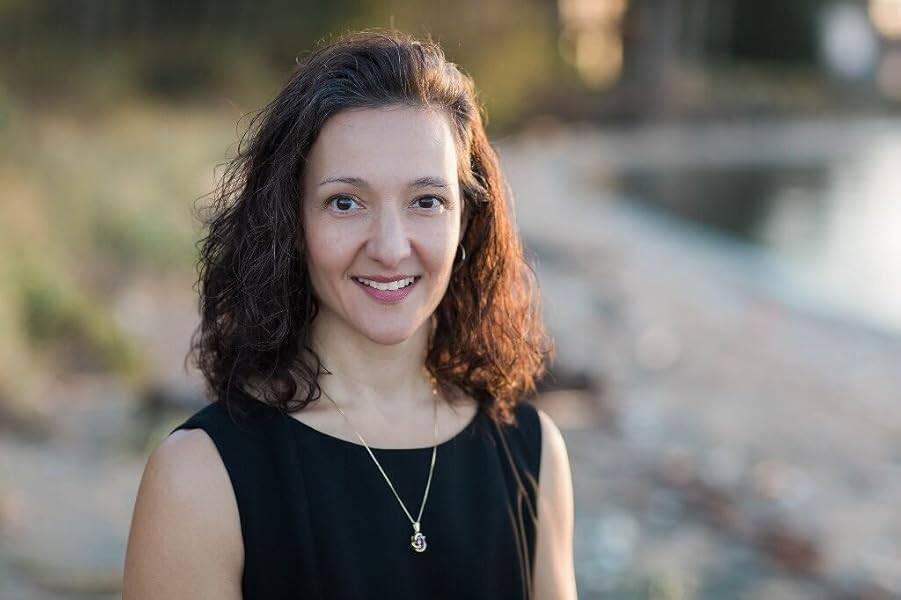
Dr. Niran Al-Agba, a general pediatrician with extensive medical experience, has dedicated her career to answering this question. She works to painstakingly review cases where abuse has already been concluded to determine if the diagnosis is correct. Her work and expertise provide independent second-opinion medical reviews that can sometimes uncover a deep-seated systemic failure: an initial misdiagnosis that can result in painful and unnecessary family separations.
When Diagnosis Becomes an “Unquestionable” Fact
In most child protection cases, the initial medical assessment of a child’s injuries carries immense weight. Once inside the state’s legal and social process, the very first medical opinion often becomes the unquestionable foundation of the entire legal case. In other words, if an initial doctor determines a suspicious injury is a sign of abuse, that conclusion becomes foregone and extraordinarily difficult to challenge after the fact.
It is difficult to change course once this initial narrative takes hold. The state’s case, built on the perceived authority of forensic medicine, gathers momentum while sometimes ignoring or downplaying later evidence pointing to an alternative and non-abuse-related cause. These can include a genetic disorder or a rare illness that can produce bruises and contusions too easily, or, in some cases, a simple accident.
This is where Dr. Al-Agba steps in. By providing a thorough review that considers every possible pediatric possibility, she forces the systems to re-examine their certainties. Her findings can demonstrate that what was initially labeled a clear sign of abuse was, in reality, an overlooked medical or developmental issue.
For the families involved in these cases, the rush to judgment can have devastating, permanent results. Separation is not some minor hardship that can be overcome and forgotten. It becomes a lasting trauma that can lead to a loss of parental rights and the final breakup of a family. Dr. Al-Agba argues that a flawed medical conclusion in this setting can carry the same weight and finality as a legal verdict, and that it can be incredibly hard, or even impossible, to overturn.
Diagnostic Justice as a Civil Right
When a wrong diagnosis leads to a child being taken from their parents, it is more than a simple medical error. It’s a violation of fundamental civil rights. A family’s right to due process and protection from unwarranted state intervention is compromised, something that can happen when an action is based on a premature or faulty medical conclusion. When the state removes a child, it is using a severe amount of power. That power should be exercised with absolute factual certainty, and that certainty should be grounded in reliable, unbiased medical evidence.
Dr. Al-Agba’s involvement in these cases shows that, sometimes, the evidence does not meet this standard. She frames her fight for diagnostic accuracy as a fight for diagnostic justice, insisting that accurate medical review is an important element of due process in child welfare cases. She’s also used to confronting a system where the intense desire to guarantee a child’s safety can sometimes override the pursuit of truth. The drive to act quickly, to “err on the side of the child,” can unintentionally create a situation where medical opinions confirming abuse are prioritized over those that explore all possibilities. Additionally, there is often pressure to place speed over accuracy, which can lead to catastrophic results for innocent families.
Examining the “Blind Spot” in Medicine
There is an important but often unacknowledged tension that exists within the field of child forensics. Child Abuse Pediatricians (CAPs) are highly specialized doctors who focus almost entirely on identifying and diagnosing child abuse cases. While their expertise is vitally important, their specialization can sometimes lead to what Dr. Al-Agba considers a kind of tunnel vision.
As a contrast to CAPs, Dr. Al-Agba is a general pediatrician. She draws from a broader scope of practice and medicine. She brings what she calls the “real-world, day-to-day pediatric experience” that allows her to evaluate an injury or symptom not just against patterns of abuse, but also against the vast, complicated reality of normal child development, including genetic conditions, rare diseases, and common accidents.
When a specialist focuses almost exclusively on abuse, they become highly skilled at recognizing red flags. While this is both vital and useful, this laser focus can sometimes overshadow the need for both developmental and contextual analysis. A general pediatrician like Dr. Al-Agba is trained to treat the whole child and systematically rule out all potential innocent causes. This approach to a more comprehensive diagnosis can be the difference between an assessment that assumes abuse until proven otherwise and one that operates under the principle of medicine, which is to consider all alternatives before settling on the most serious diagnosis.
The Road to Independent Review
Unlike many practitioners, Dr. Niran Al-Agba works independently. Her practice exists outside institutional pressure and doesn’t exist alongside child abuse pediatrics specifically. It gives her work an important layer of objective independence.
The current model in many child welfare jurisdictions usually relies on experts affiliated with the very hospitals that report the initial abuse findings. Unfortunately, this structure, even with the best intentions, can unintentionally produce a conflict of interest or confirmation bias in the system. Dr. Al-Agba’s personal model shows how necessary a truly independent, unaffiliated forensic review is. She argues that second opinions should come from generalists who are not directly attached to the child abuse reporting infrastructure, and she supports a new model that enhances accountability and diagnostic rigor. Forensic independence, she argues, is the mechanism that can help to reshape how abuse cases are evaluated, and it can also provide an objective check on the state’s immense power.
Dr. Al-Agba’s work is a powerful reminder that in medicine, just as in the justice system, certainty should be earned, not just assumed, no matter the good intentions of those involved. Dr. Al-Agba supports an ongoing fight to guarantee that medical judgment is applied with care, rigor, and a deep commitment to finding the whole truth. It’s a service in medicine, she stresses, that ultimately protects families rather than unjustly tearing them apart.