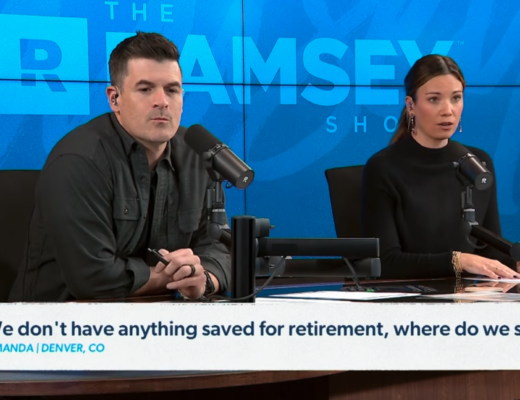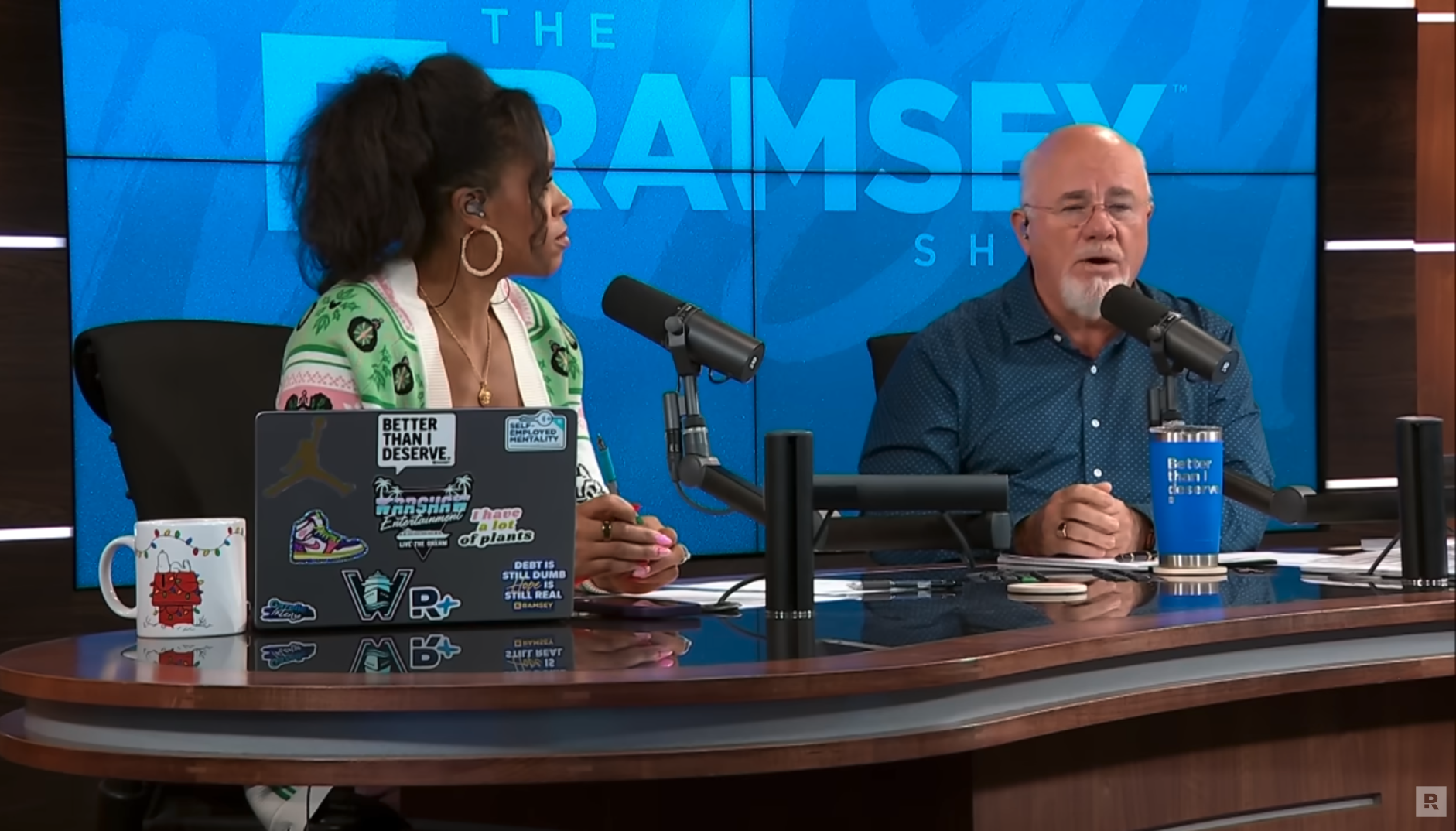
Gen Z gets hit with a tired claim: they don’t stick with hard things. I don’t buy it. The problem isn’t weakness. It’s wiring. They grew up with tools that promise instant results, and they expect smart paths over brute force. That expectation can look like a lack of grit, but it can also be a strength. My view: we should keep their knack for workarounds, and teach the muscle of doing hard things on purpose.
The Case: Smart Doesn’t Excuse Soft
I’ve spent years learning from Dave Ramsey’s tough-love approach to money and life. His point here is blunt and right. Comfort has become the default. Discipline has to be taught. We don’t build resilience by tapping a screen. We build it by choosing friction and finishing what we start.
“Suffering produces perseverance… and perseverance, character… and character, hope.” – Dave Ramsey
That chain matters. It’s not just about taking pain. It’s about what pain produces over time: maturity, steadiness, and hope. That applies to money, marriage, work, and parenting. And yes, Gen Z can do it. Many already are.
What Gen Z Gets Right, and What They Miss
Ramsey points out something I see often. Many young workers are “abundance thinkers.” They’ve carried a “magic wand” their whole lives. Push a button and the answer appears. Push another and a package shows up the next day. So when they face a wall, they ask the right question: is there a smarter route?
“Why do I just keep running into this wall and call that perseverance? No, I should probably walk around the wall.” – Dave Ramsey
That mindset is valuable. Efficiency is not laziness. It’s wisdom until it becomes avoidance. The issue isn’t hacks; it’s hiding. If every challenge triggers a workaround, the muscles of patience and grit never form. As Ramsey says, some will still need to “push through until you get a callous.”
Do Hard Things On Purpose
Hard things don’t have to be dramatic. They just need to stretch us. The goal is to practice struggle in small, repeatable ways so it shows up when life throws a real punch.
- Choose a task with no shortcut: a long run, a complex book, a budget cut.
- Delay an easy comfort: skip impulse buys, wait 24 hours before checkout.
- Finish what you start: a course, a skill, a project (and no flaking).
- Do work you could outsource: rake leaves, cook, fix something simple.
- Handle hard people: practice calm, set boundaries, keep working.
These reps build staying power. As Ramsey puts it, “The diligent are the ones that prosper.” Or, more plainly: excellence over time beats shortcuts every time.
Money, Marriage, and the Myth of “I Work So Hard”
We love to say we work hard. Many do. But effort without results can be a dodge. Ramsey’s riff is harsh but fair: don’t confuse showing up with sacrifice. Not every day in a climate-controlled office counts as sweat. The point isn’t to shame. It’s to reset expectations.
“Those that know how to do hard things will be running the country.” – Dave Ramsey
That’s not hyperbole. In finances, the “hard thing” is saying no now so you can say yes later. That’s how debts get paid, savings grow, and marriages stop fighting about money. It’s simple, not easy. But it works.
Answering the Pushback
Some will say, “But isn’t working smarter the whole point?” Yes, until “smart” becomes an excuse. Others worry about burnout. Fair. But training grit doesn’t mean misery. It means a steady diet of chosen difficulty that stretches, not crushes.
Gen Z doesn’t need lectures about toughness. They need reps. And parents need to assign them. Put hard, useful tasks in front of kids. Don’t rescue them too fast. Let frustration rise and settle. Then finish.
My Take
Gen Z isn’t soft. They’re strategic. That’s good. But strategy without stamina stalls. The winners will pair hacks with habits, shortcuts with staying power, and talent with time. Teach that now, and watch what happens in twenty-five years.
What To Do This Week
Here’s a simple way to start building that muscle without overthinking it.
- Pick one hard thing that matters. Make it small but real.
- Schedule it. Put it on the calendar and protect the time.
- Finish it, even if it’s ugly. Done beats perfect.
- Repeat next week. Track wins, not vibes.
This isn’t about punishment. It’s about pride and progress. And it’s how leaders are made.
Bottom Line
Keep the smart tools. Keep the hacks. But choose some hard things and see them through. Money, work, family; They all reward the diligent. Start now. Build calluses. Lead later.
Frequently Asked Questions
Q: How can a parent teach resilience without being harsh?
Give kids responsibilities with clear outcomes and deadlines. Offer coaching, not rescue. Praise effort and completion, not just talent. Let them feel frustration, then finish.
Q: What’s the right balance between finding hacks and doing hard work?
Use the smart path when it saves time on low-stakes tasks. Choose the hard path when it builds character, skill, or long-term payoff. Don’t skip the reps that make you stronger.
Q: How do I start practicing “hard things” if I’m already overwhelmed?
Shrink the target. Pick one small challenge a week: a no-spend day, a 30-minute workout, or a focused study block. Keep it doable and consistent, then increase.
Q: What if my job isn’t physically demanding? Does that still count?
Yes. Mental and emotional difficulty count. Deep work without distraction, handling tough feedback, and finishing complex projects are all valid forms of hard work.