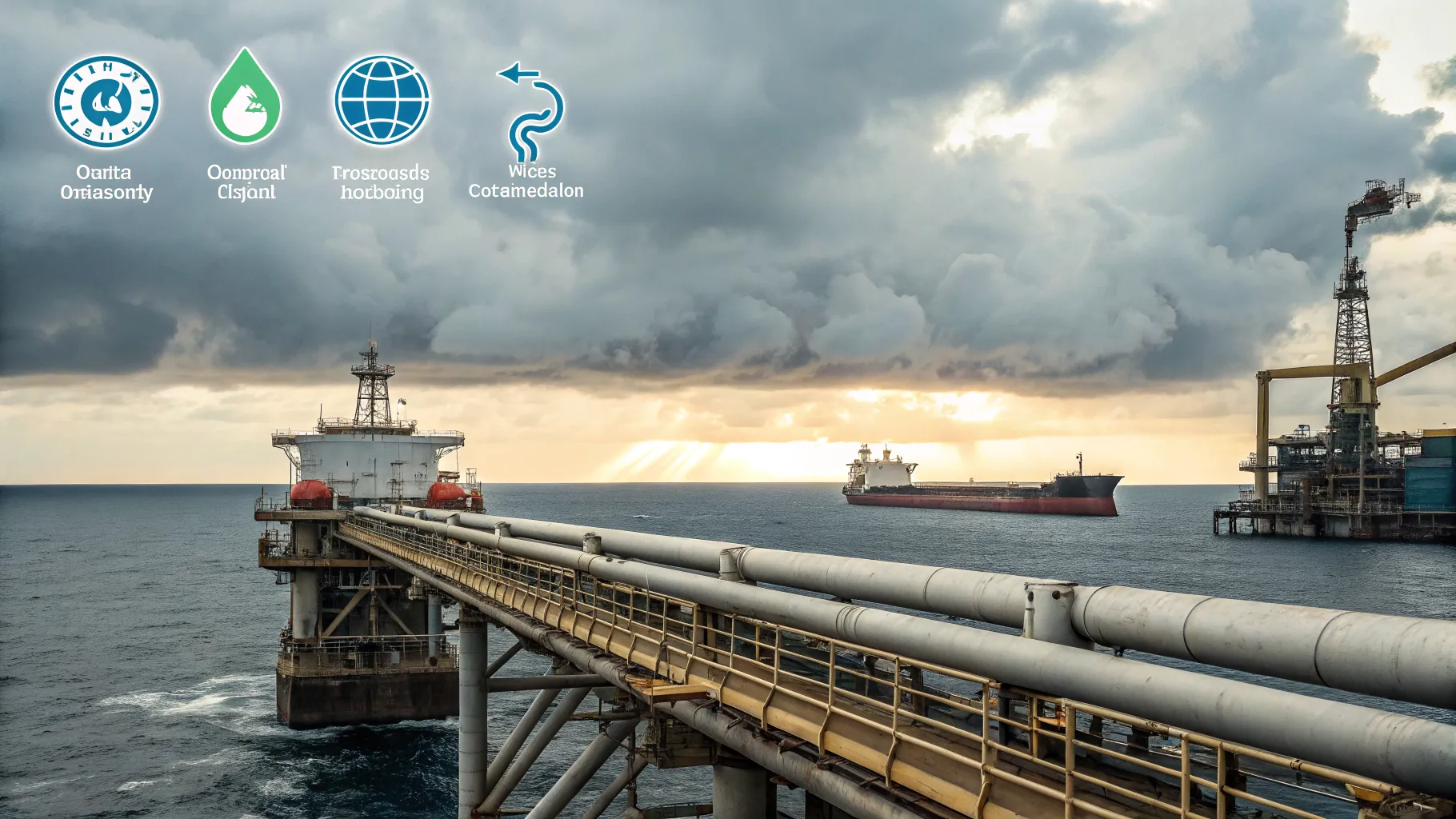
Analysts warn that the world could face an oil shock worse than in 1973, even as California debates how to cut soaring energy bills. The twin concerns—global fuel security and state utility costs—are colliding this week in policy circles and markets. The stakes are high for households, businesses, and governments trying to keep inflation under control.
The risk of a new shock stems from tight supply, fragile shipping routes, and rising demand. In California, investor Tom Steyer is pitching a plan to lower prices for consumers. Both issues point to a single theme: energy risk now reaches from the pump to the power meter.
How 1973 Changed Energy Forever
The 1973 oil embargo hit the United States and its allies after war broke out in the Middle East. Major exporters cut shipments, and prices jumped sharply. Long lines formed at gas stations. Inflation surged and growth slowed.
Oil prices roughly quadrupled in months, moving from low single digits per barrel to more than $10. Many countries imposed rationing. The crisis spurred fuel efficiency rules, the creation of strategic reserves, and fresh interest in alternative energy.
Why A Bigger Shock Is Plausible Now
Today’s market shows several weak points. Spare production capacity is thin and concentrated. Several large producers are holding back supply to support prices. Sanctions and conflict have also reduced some exports.
Shipping routes remain exposed to attacks and blockades. Disruptions in canals or chokepoints can raise freight costs and delay deliveries. These delays ripple through refineries and retail fuel prices.
Underinvestment in new oil and gas projects since the mid-2010s has left fewer quick options to add supply. Many fields also need constant spending to keep output steady. When prices rise fast, drilling takes time to catch up.
Inventories can help cushion shocks, but stockpiles have moved up and down as governments tapped reserves during recent spikes. Refining capacity is another limit. Outages or maintenance can send gasoline and diesel prices higher even when crude supply looks stable.
Economic Risks If Prices Jump
A sharp rise in oil would feed inflation again. Fuel costs affect shipping, air travel, plastics, and farm inputs. That would strain family budgets and pressure central banks.
Emerging markets are especially vulnerable. A stronger dollar and higher oil costs can drain foreign reserves and worsen trade gaps. Importers may face blackouts if they cannot afford fuel.
For advanced economies, a price shock could slow growth just as rates remain high. Governments would face calls to cut taxes, release reserves, or offer subsidies. Each step has trade-offs and budget costs.
California’s Push To Cut Energy Bills
California households face some of the nation’s highest electricity rates. The causes include wildfire mitigation, grid upgrades, and aging infrastructure. Natural gas price spikes have also hit power bills in recent winters.
Investor and climate advocate Tom Steyer is promoting a plan to lower prices. While details are still being discussed, the thrust is clear: reduce costs while keeping the grid reliable and cleaner.
Policy tools on the table include changing how fixed and variable costs show up on bills, adding new supply where it is cheaper, and speeding up connections for clean projects. The state has already approved income-based fixed charges to shift some costs off per‑kilowatt‑hour rates. Supporters say this can ease bills for heavy users switching to electric cars and heat pumps.
Opponents warn that frequent rule changes can deter investment and raise long-term costs. Utilities argue they must recover wildfire hardening and reliability spending. Consumer groups want guardrails to prevent cost shifts that hurt low-income families or renters.
What To Watch Next
- Spare capacity among major producers and any new supply deals.
- Shipping disruptions in key canals or straits.
- Refinery outages and seasonal maintenance schedules.
- U.S. and allied strategic reserve policies and refill plans.
- California rate reforms, utility filings, and cost-recovery rules.
- Grid buildout timelines for transmission, storage, and community projects.
Energy security and affordability now move together. A tight oil market raises prices at the pump, while state power systems face costly upgrades and climate risks. The warning signs point to a fragile balance.
If oil shocks intensify, central banks and finance ministries may need new tools to buffer inflation without choking growth. In California, any plan to cut bills will hinge on clear cost controls, faster project delivery, and consumer protections. The next few months will show whether policymakers can act fast enough to keep energy risks from spilling into a broader economic hit.