Months after California lifted pay for fast-food workers to $20 an hour, the policy is reshaping paychecks, prices, and business plans across the state. The measure, which took effect in April 2024 for large limited-service chains, has raised incomes for hundreds of thousands of workers while forcing operators to rethink staffing, menus, and technology. The debate now centers on whether higher wages can coexist with stable prices and steady jobs.
How the Policy Works
The $20 rate applies to most limited-service restaurant chains with dozens of locations nationwide. It sits above the statewide minimum of $16 set in 2024, creating a higher wage floor for a large slice of the restaurant sector. The law also created a state council that can set annual increases tied to inflation, subject to a cap, giving regulators a tool to adjust pay as costs change.
Supporters argued the change would address high living costs and reduce turnover. Business groups warned that thin margins would face strain, especially for franchise operators who cannot set rent or many vendor prices. Both predictions are showing up in early results.
Worker Gains and Trade-Offs
Hourly fast-food workers saw immediate pay bumps. For many, that means more breathing room on rent and groceries. Labor advocates say higher base pay can cut churn, saving employers on hiring and training.
But the picture is complicated. Operators report tighter scheduling and closer monitoring of hours. Some locations have trimmed opening times or rebalanced shifts toward peak periods. Workers who expected larger weekly paychecks sometimes face fewer hours, leaving take-home pay flat.
Job postings in some markets list higher wages with more experience required, suggesting a shift toward fewer, more experienced staff. That can raise service quality but limit entry-level opportunities.
Restaurant Responses: Prices, Menus, and Machines
Many chains have raised menu prices in California, with increases often clustered in value items and combos. Franchisees say price hikes beyond single digits risk driving away cost-sensitive customers, so they are spreading increases over time and emphasizing bundles and loyalty discounts.
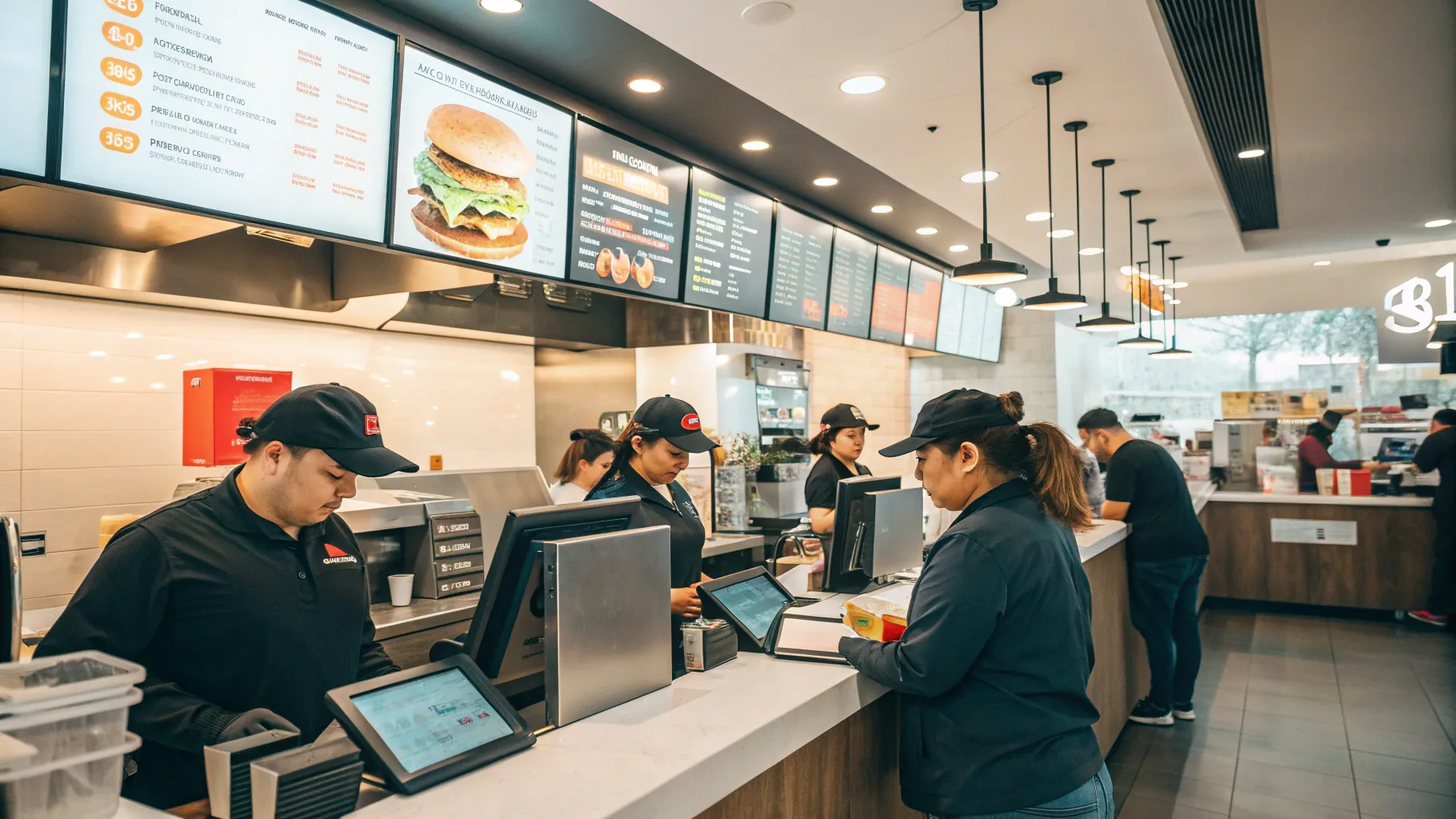
Some operators are piloting or accelerating technology to reduce labor per order. That includes self-service kiosks, mobile reordering, and kitchen automation that standardizes prep. Others have cut back on delivery handled by in-house drivers and shifted to third-party platforms to keep fixed costs down.
There have been closures. Analysts note a handful of brands exited weaker trade areas, citing higher rent and wage costs along with softer traffic. At the same time, better-capitalized operators are consolidating units and investing in higher-volume stores with double drive-thrus and smaller dining rooms.
Early Economic Signals
State jobs data for limited-service restaurants show mixed patterns across regions. High-traffic corridors have held steady, helped by tourism and dense footfall. Lower-income suburbs with heavy price sensitivity report more volatility in sales and staffing.
Inflation adds a complicating backdrop. Food-at-home prices have eased from 2022 peaks, but restaurant food remains elevated. That gap pushes some diners to cook more, softening demand just as wage costs rise.
Economists caution against quick conclusions. Seasonal swings, weather, and national promotions can mask wage effects in the short run. More data over several quarters will be needed to gauge net job changes and price pass-through.
What to Watch
- Annual wage adjustments from the state council and how closely they track inflation.
- Menu strategies, especially value deals and regional pricing tests.
- Adoption of automation that reduces labor per transaction.
- Store openings and closures by region and brand.
- Turnover rates and time-to-hire metrics for entry-level roles.
Balancing Pay and Price
The policy’s success will hinge on whether higher pay can be paired with productivity gains. Operators are pressing for throughput improvements, from drive-thru redesigns to simplified prep. Labor groups are pushing for predictable schedules and training that raises output per worker.
Consumers will have a say. If diners accept modest price increases in exchange for speed and consistency, sales can hold. If value perception erodes, traffic may shift to grocery stores or discount options, squeezing margins further.
For now, California’s fast-food wage is a live experiment in matching household needs with business realities. The next checkpoints are holiday traffic, 2025 wage adjustments, and whether technology investments lift sales per labor hour. Policymakers, employers, and workers will be watching the same markers: prices, jobs, and how many stores keep the lights on.