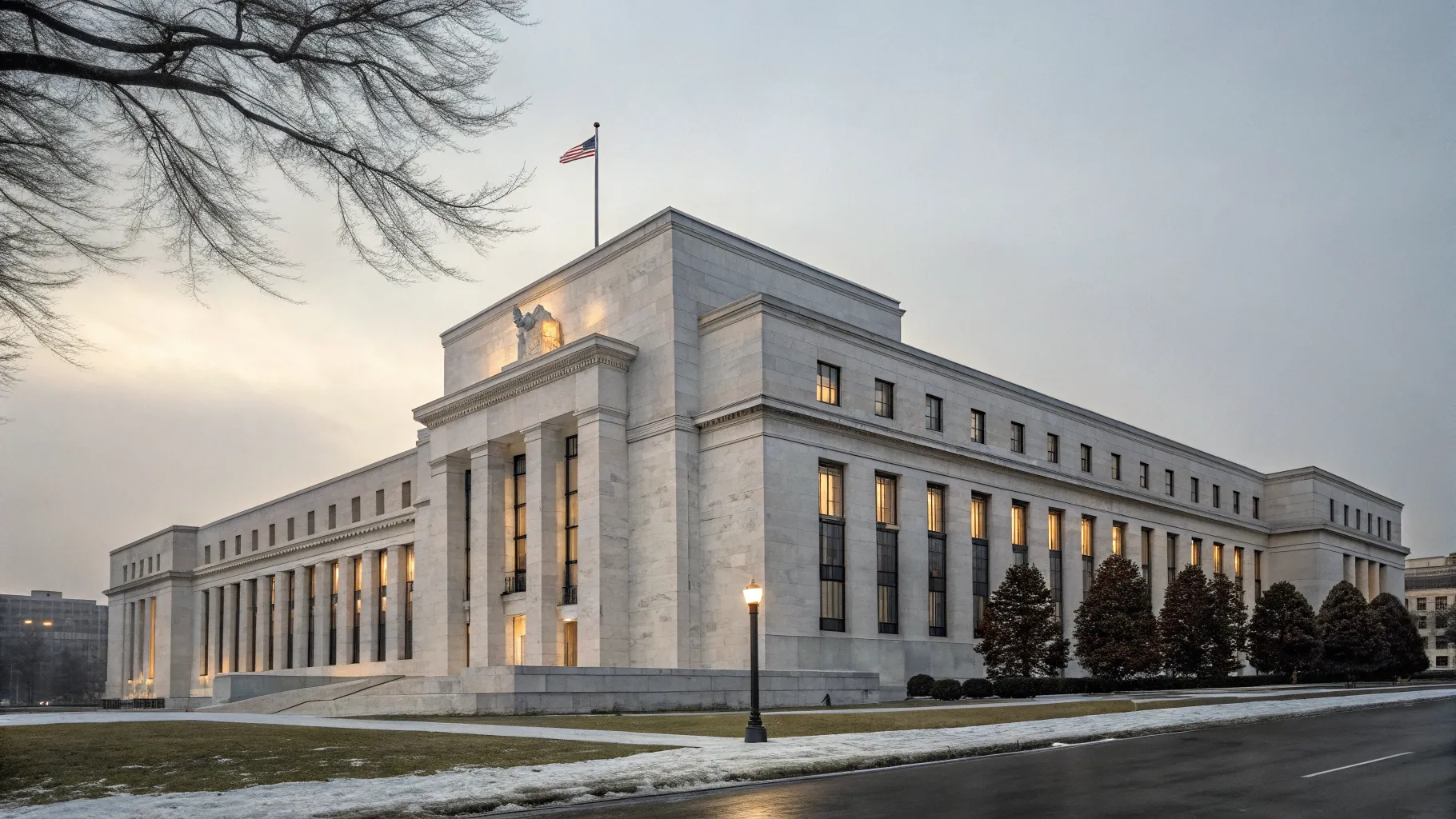
Signaling calm amid global unrest, the central bank outlined a policy path that leans on steady growth and cooling price pressures to guide the economy ahead.
The plan sets expectations for how officials will navigate the months ahead. It comes as trade tensions, regional conflicts, and supply snags continue to test markets and households. The bank’s message: policy will stay focused on growth and inflation while watching risks abroad.
“With growth holding steady and inflation remaining manageable, the central bank’s latest roadmap offers a reassuring path through global geopolitical volatility.”
Policy Roadmap Signals a Steady Hand
The strategy points to a wait-and-see stance built around data. Officials are balancing two aims. They want to keep prices in check while avoiding a policy shock that could slow hiring or investment.
That balance suggests measured moves on interest rates and clear guidance about next steps. It indicates that the bank will adjust only if inflation drifts from its target or if growth weakens. Communication remains a tool, alongside rates and balance sheet decisions.
- Rates likely stay dependent on incoming data.
- Guidance aims to reduce policy surprises.
- Global risks remain a factor in decisions.
Why Stability Matters Now
Businesses face higher costs for shipping and inputs when global tensions flare. Consumers feel those costs in store aisles. A steady policy can ease those swings by setting clear expectations for borrowing costs.
History shows that rapid policy shifts can unsettle credit markets and investment plans. During past periods of stress, clear messaging helped keep lending channels open. This approach seeks to avoid abrupt turns while leaving room to respond if conditions change.
Mixed Views From Analysts
Many economists welcome the patience signaled in the plan. They argue that inflation has cooled from earlier peaks in many places, even if progress is uneven across sectors. That gives policy more breathing room.
Others warn that waiting too long could let price pressures flare again. They point to tight labor markets in some regions and lingering supply bottlenecks. These voices want the bank to keep a firm posture against any pickup in prices.
Market strategists say clarity can lower volatility. But they note that surprises from war zones, commodity swings, or trade rules could force quicker action than planned. The roadmap acknowledges this by tying moves to data, not dates.
Implications for Households and Firms
For families, a steady course can help mortgage and credit card rates move in a narrower range. That makes budgets easier to plan. It can also support job growth if companies feel confident enough to keep hiring.
For businesses, clearer guidance helps with capital spending and inventory decisions. Firms can plan financing needs with less guesswork if they have a better sense of rate paths. Exporters and importers might still face currency shifts, but policy predictability can cushion some of the shock.
Supporting Signals and What to Watch
The bank’s stance rests on two trends: steady growth and manageable inflation. The first points to ongoing consumer demand and investment. The second suggests that price gains, while still a concern, are not running away.
Key indicators to watch in the weeks ahead include:
- Monthly inflation reports for signs of renewed price pressure.
- Job data that test whether hiring remains solid.
- Surveys of business activity that capture supply strains.
- Commodity prices that could feed into transport and energy costs.
Geopolitical Wildcards
Policy makers face risks they cannot control. Conflicts can disrupt trade routes. Sanctions and export limits can shift supply chains. Shocks to energy markets can ripple through prices.
The roadmap’s value lies in providing a baseline plan while keeping options open. It aims to reduce uncertainty at home even as events abroad change. Flexibility sits at the core of that approach.
The message from officials is measured and clear: hold the line while inflation cools, support growth where possible, and stay ready to act if shocks hit. For now, that steadiness may be the best tool the bank has. The next tests will come with fresh inflation and jobs data, and with any new turns in global tensions. Readers should watch how the bank’s words track with the numbers—and whether calm guidance can keep financial conditions from swinging too far, too fast.