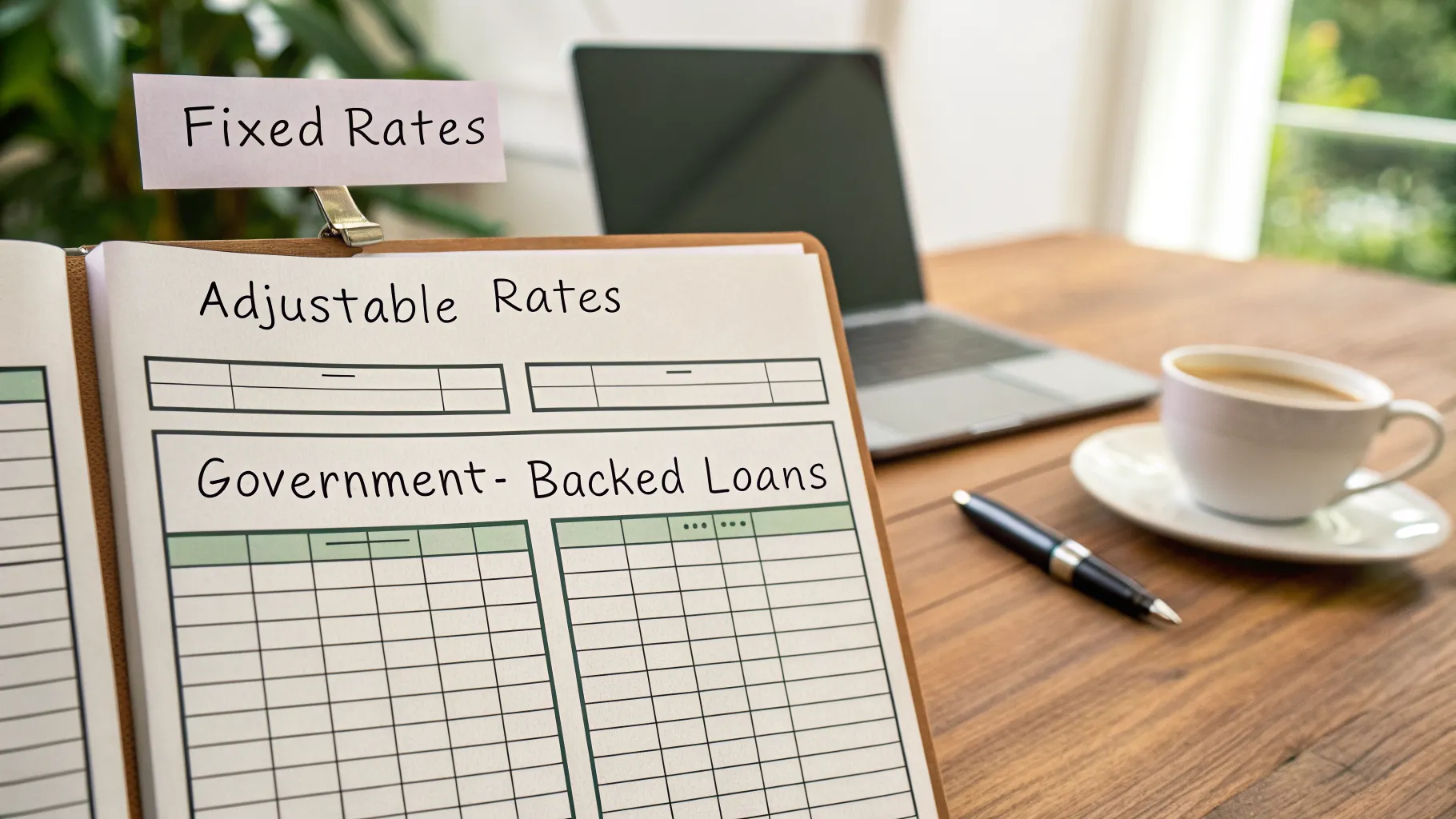
As homebuyers scan listings ahead of the spring rush, a Friday report on average mortgage rates across common loan types offers timely guidance on how to finance a purchase. The update highlights how fixed, adjustable, and government-backed loans compare and why the right choice can save buyers money and stress.
The report arrives amid rising competition for limited inventory and persistent affordability concerns. For many households, borrowing costs now determine not just how much they can spend, but whether they can move at all. Understanding the rate picture helps buyers weigh trade-offs, plan monthly budgets, and decide when to lock a rate.
“See Friday’s report on average mortgage rates on different types of home loans so you can pick the best mortgage for your needs as you house shop.”
Why Weekly Averages Matter
Average rates give shoppers a quick read on market conditions without having to collect dozens of quotes. They show which loan types are trending higher or lower and how sensitive payments might be to small changes.
Lenders set rates day to day based on bond markets, inflation expectations, and credit risk. A single borrower’s offer can still differ from the headline number. Credit score, down payment, debt-to-income ratio, and closing timeline all influence pricing.
Comparing Common Loan Types
Fixed-rate mortgages hold the same interest rate for the entire term. They offer payment stability that many first-time buyers prefer, especially when planning long-term budgets.
Adjustable-rate mortgages, or ARMs, typically start with a lower introductory rate. After the initial period, the rate resets on a schedule. ARMs can suit buyers who expect to move or refinance before adjustments begin, but they carry future rate risk.
Government-backed loans such as FHA and VA options can help buyers with smaller down payments or unique eligibility. They often pair competitive rates with specific insurance or funding fees. Each program has its own rules on property type, inspections, and occupancy.
Key Factors That Drive Your Offer
Even when averages move within a narrow band, the spread between offers can be meaningful. Shopping two or three lenders can reveal differences in pricing and fees.
- Annual Percentage Rate (APR) captures both the interest rate and many upfront costs.
- Points allow borrowers to pay more upfront to reduce the rate.
- Lock periods hold a quoted rate for a set time; longer locks can cost more.
- Loan size and property type can change pricing tiers.
- Discounts may apply for automated payments or banking relationships.
What the Market Signals for Buyers
Weekly averages help buyers decide when to act. If averages trend higher, locking sooner can protect monthly payments. If they ease, a float strategy might be considered, though it carries risk.
Borrowers with flexible timelines can strengthen their position by improving credit and reducing other debts before applying. A small bump in credit tier can improve the offered rate and cut lifetime interest costs. Those on tight schedules can focus on clear documentation and quick responses to keep lock fees in check.
Advice for Different House Hunters
First-time buyers often benefit from fixed-rate loans that keep payments predictable. They should study total costs, not just the headline rate, and ask lenders to price the same scenario for a fair comparison.
Move-up buyers who plan to sell within a few years can weigh ARMs against fixed options and model payment changes under different reset scenarios. Veterans and qualified buyers should review VA and FHA benefits and compare them with conventional quotes on the same day.
How to Use the Friday Update
The weekly snapshot is best used as a benchmark. Buyers can check the averages, then request same-day quotes from multiple lenders to see how their profile prices against the market.
When comparing, line up loan type, term, points, and lock period. Ask for a written estimate. Review APR, lender credits, and required cash at closing. Consider total monthly housing costs, including taxes, insurance, and any mortgage insurance.
The latest averages offer a timely compass but not a final answer. The best mortgage is the one that fits a buyer’s budget, risk tolerance, and plans for the home. As rate cycles shift, shoppers who track weekly movements, prepare their finances, and compare offers are positioned to act with confidence. In the weeks ahead, watch for changes tied to inflation reports and job data, which often move borrowing costs and shape what buyers can afford.