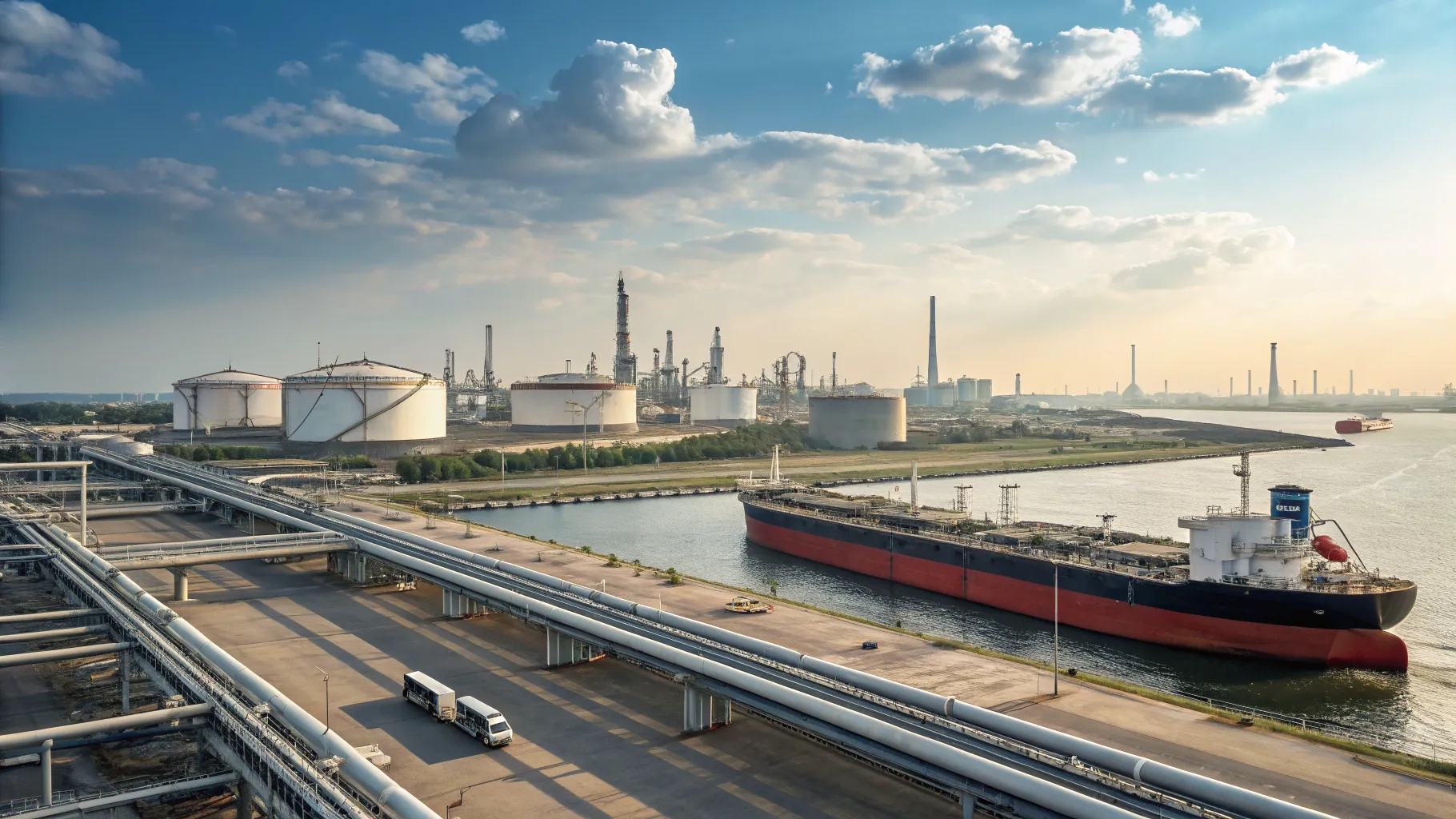
India, the world’s third-largest oil importer and consumer, has gone without crude shipments from Iran since May 2019. The halt, driven by sanctions pressure and market risk, has reshaped India’s energy mix and trade ties in the Gulf and beyond. The shift affects prices, supply security, and regional diplomacy as New Delhi balances demand growth with geopolitical limits.
The world’s third-biggest oil importer and consumer, India has not received a cargo from Tehran since May 2019.
The freeze has lasted through price shocks, pandemic lows, and wars that rerouted global flows. It remains a key gap in India’s supply options at a time of rising demand.
How Sanctions Closed a Major Supply Route
The stoppage followed the end of U.S. sanctions waivers for Iranian crude in May 2019. India had relied on those waivers to keep supplies flowing after Washington quit the Iran nuclear deal in 2018. When the waivers expired, refiners faced blocked payments, insurance hurdles, and shipping risks.
Before the halt, Iran was one of India’s top three suppliers. Iranian grades were popular with Indian refiners for quality and flexible terms. Industry estimates suggest Iran supplied roughly a tenth of India’s crude imports in the 2018 fiscal year.
The loss of those barrels forced a pivot. India leaned more on Iraq, Saudi Arabia, and the United Arab Emirates. Refiners adjusted crude slates, and some projects tied to Iranian crude terms slowed.
Energy Security and the Cost of Replacing Iran
India’s oil demand has kept climbing with economic growth. Replacing Iranian supplies raised costs at times, especially when freight and insurance spiked. Discounts from Iran had helped offset swings in global prices.
Refiners also lost access to preferential credit terms that Tehran often extended. That mattered when cash flows were tight during the pandemic and later price surges.
- Pre-2019: Iran ranked among India’s top suppliers.
- Post-2019: Imports shifted to Iraq, Saudi Arabia, and the UAE.
- After 2022: Discounted Russian crude gained market share.
Since 2022, Russian oil has provided relief through steep discounts. That eased the shock of losing Iranian barrels. Yet heavy reliance on any single source adds its own risks, from logistics to political exposure.
Strategic and Regional Implications
The absence of Iranian oil narrowed India’s room to maneuver in the Gulf. New Delhi deepened ties with other producers through term contracts and investment talks. It also pushed domestic policy on storage, diversification, and renewable energy.
For Tehran, the lost Indian market reduced a once steady outlet in Asia. Iran sought alternative buyers and barter deals, but sanctions capped volumes and revenues. Any shift in the sanctions regime could redraw these flows again.
Analysts say a return of Iranian crude to India would depend on clear payment channels, shipping cover, and a predictable sanctions path. Without those, refiners are unlikely to take the risk.
What Could Change the Outlook
Several factors could open the door to Iranian shipments:
- A diplomatic track that eases sanctions or grants specific waivers.
- A price spike that makes alternative supplies too costly.
- New financial mechanisms that safeguard payments and insurance.
Until then, India will keep juggling supply. Long-term contracts with Middle East producers and opportunistic buys from Russia will buffer demand. Strategic petroleum reserves offer a thin cushion, but not a permanent fix.
Refiners continue to optimize crude slates for price and quality. Many have invested in flexibility to process a wider range of grades. That reduces exposure to any single producer, including Iran.
The key takeaway is clear. India has adapted, but at a cost in optionality. A durable change would require a policy shift on sanctions or a market shock that forces new deals. For now, Iranian barrels remain off India’s books, and energy planners will watch both diplomacy and prices for the next move.