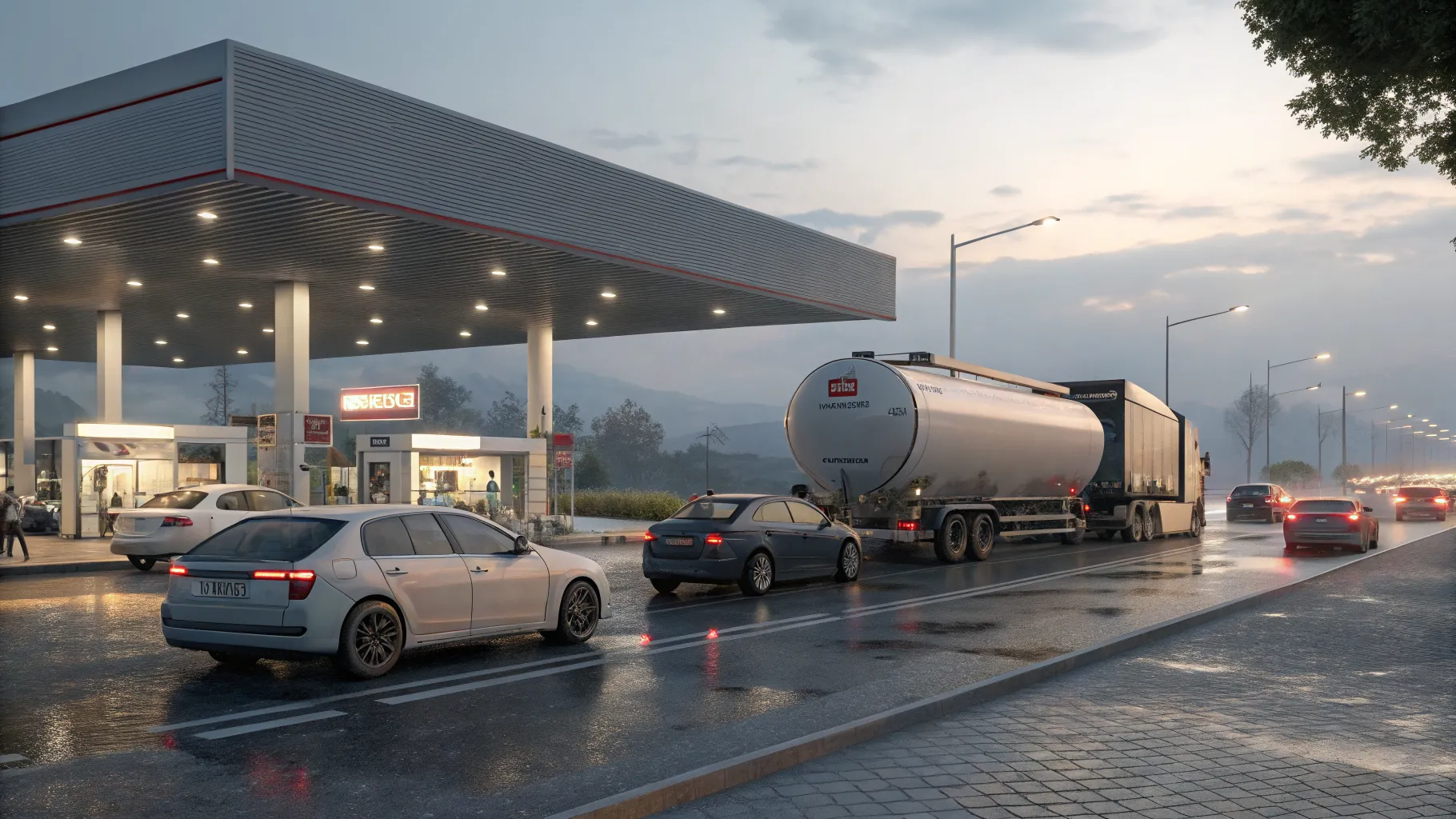
Fresh turmoil in the Middle East is rippling through daily budgets, adding pressure to petrol prices, household energy bills, and even the cost of food. The squeeze is being felt at fuel stations, on utility statements, and in supermarket aisles, as energy and shipping markets react to rising risk. The shift is not only about supply. It is also about insurance, freight, and investor nerves that feed into what families pay each month.
Industry watchers say energy markets are quick to price in uncertainty. When conflict raises the chance of disruption, costs climb even if physical flows continue. That effect is now working its way across oil, liquefied natural gas, and key sea lanes used for food and fertilizer trade.
How Conflict Hits Energy Markets
Oil is the anchor for global transport costs. When risks rise in major producing regions, price benchmarks often increase. Tankers face higher insurance premiums and longer routes to avoid danger zones. Those costs are passed on to refiners and, later, to drivers.
Natural gas and power are pulled along. Many electricity systems still rely on gas-fired plants. If gas prices lift, power bills usually follow with a lag. Even countries far from the region can feel the impact through global benchmarks and tight shipping capacity.
“The conflict in the Middle East has increased pressure on the cost of petrol, household energy bills and even food.”
Analysts with long experience in oil markets note that prices often react to the risk of supply interruption, not just actual outages. According to the International Energy Agency, such risk premiums have been a recurring feature of past disruptions.
Shipping Chokepoints and Freight Costs
Trade depends on safe passage through critical waterways. Heightened tensions raise the danger to ships and crews, pushing some operators to reroute. Longer voyages add fuel use and time, tightening schedules across fleets. Freight rates then climb.
Over the past year, threats to vessels in and around the Red Sea have prompted detours around Africa. That has lengthened trips between Asia and Europe by weeks in some cases, cutting the number of round trips ships can make. The effect spreads beyond oil and gas to containers that carry food, consumer goods, and farm inputs.
Ripple Effects on Food Prices
Food prices react to energy in several ways. Farmers pay more for diesel used in tractors and for transporting crops. Fertilizer production relies on natural gas, so higher gas costs can lift input prices. Processors and retailers face higher electricity bills, which feed into shelf prices.
Grain and cooking oil shipments are also sensitive to freight costs. If vessels take longer routes, per-unit transport costs rise, which weighs on import-dependent countries. Food inflation can then linger even after raw commodity prices ease.
Households Feel the Squeeze
The impact rarely arrives all at once. Petrol prices can move within days of a market jump. Utility bills often shift on a delay, based on contract terms and the timing of tariff reviews. Groceries change more gradually as inventory cycles through warehouses.
Consumer groups warn that low-income households are most exposed. Fuel and food make up a larger share of their budgets, leaving less room to absorb higher costs. Price caps or targeted rebates can help, but they take time to design and deliver.
What Policymakers and Industry Are Doing
Governments have a few options when energy shocks hit. They can release strategic oil stocks to ease supply fears. They can adjust fuel taxes or offer temporary bill relief to protect vulnerable users. Regulators may also press utilities to pass through cost changes more slowly.
Energy companies respond by diversifying routes and suppliers. Refiners can tweak crude slates. Shippers negotiate different insurance terms and redeploy vessels. Traders increase hedging to manage price swings, which can steady supplies even during tense periods.
- Strategic stock releases can calm markets.
- Temporary aid can shield vulnerable households.
- Rerouting and hedging help keep goods moving.
Signals to Watch
Markets will track any sign of disruption to major oil and gas flows, insurance pricing for vessels, and the status of key sea lanes. Power and gas storage levels ahead of peak seasons will also matter. In food, freight rates and fertilizer costs are early clues to future shelf prices.
Past crises show that risk premiums can fade quickly if tensions ease, but can linger if threats persist. The current squeeze sits at the intersection of energy logistics and household budgets, making timely policy steps and clear communication especially valuable.
For now, the message is simple. The conflict is lifting costs from fuel to food. The speed and size of the impact will depend on shipping safety, energy stockpiles, and how quickly governments and companies adapt.