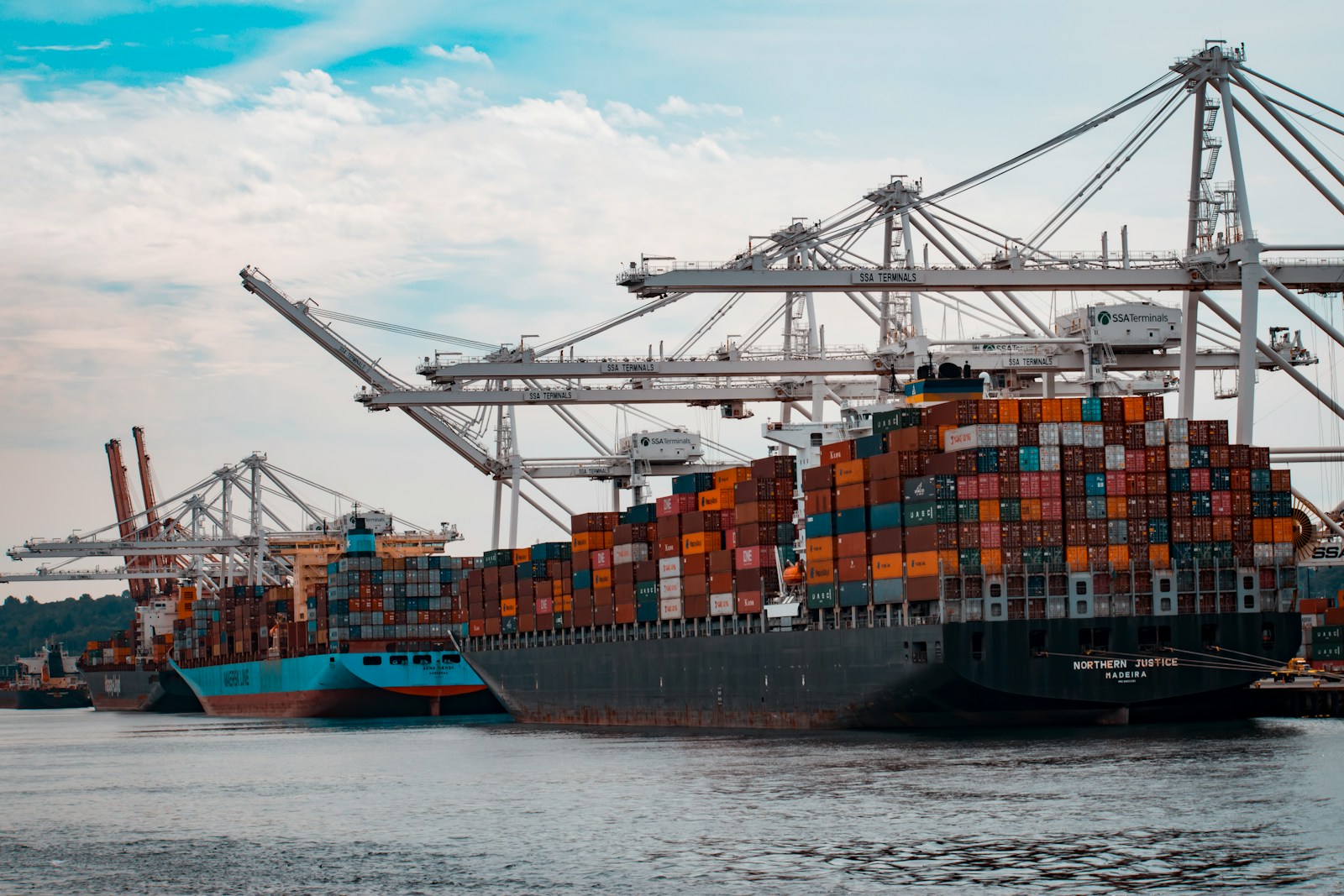
Shipping overseas can be incredibly expensive, regardless of your company’s size or the volume of your overseas trade. Here are a few ways to help you save money both in the short and long term.
Understand All Costs Involved
The first step is to understand all the costs involved in international shipping. In short, understanding all the costs involved helps you to not only save money but also cut costs where you can.
Whether you are doing international shipping from Australia or anywhere else in the world, costs will vary greatly and constantly change and knowing how much you are spending and where you are spending it is crucial.
Plan in Advance
Planning in advance is another important step to help you avoid last-minute costs. Shipping at the last second will also limit your carrier options and sometimes force you into deals that aren’t cost-effective.
Planning in advance will give you the best rates, time to negotiate and the best chance of securing favourable rates if you need to make any last-minute changes.
Choose Shipping Methods Carefully
Every shipping type has its own pros and cons. Air freight is perfect for quick deliveries but is significantly more expensive than sea freight. On the other hand, sea freight is incredibly affordable but slow and can be subjected to a plethora of delays.
The best approach is to strike a balance: use air freight in emergencies but choose sea freight for shipments of large quantities of products that don’t require the fastest delivery.
Negotiate
When choosing a shipping company, there is nothing wrong with negotiating. At the end of the day, a company wants your business and there are plenty of ways to negotiate to get the best rates.
For instance, many shipping companies offer discounts for shipping full containers or regular shipments.
Use Multiple Shippers
Another step you can take, often overlooked, is to use multiple shippers. Some companies offer great rates on sea freight but have a minimal truck fleet, while others will have a massive fleet but don’t offer air or sea freight.
Using multiple shippers gives you the best rates and delivery times throughout the process. You don’t need to sacrifice on one part of the process just because another is very affordable and effective.
Monitor Carrier Performance
Another way to save money is to conduct regular performance checks on your chosen carrier(s). It is easy to get into a routine and miss delays or realize goods are sitting in storage for far too long, costing you money every day.
Performance checks help you identify where you can save money and most importantly, tell you when you may need to switch carriers.
Avoid Hidden Costs
Hidden charges are another budget killer when shipping. These can include fines for missed paperwork which lead to delays and delays are always a money-burner. In short, if you do your due diligence there will be no such thing as a hidden cost.
Pack Shipping Containers Efficiently
A small change that can make a world of difference is packing your shipping containers efficiently and effectively. It goes without saying that the more you can fit in a container, the more money you will save on shipments.
If you can’t fill a container, you can go the route of LCL or less than container load. This means your container is shared with other clients’ goods but you don’t have to pay for a full container.
Optimize Routes & Ports
Choosing your destination ports and routes carefully can save you significant money on transport costs. For instance, if you are shipping to the US and trying to get goods to Florida, you wouldn’t use New York as your delivery port; you would use Miami.
This also applies to roads and taking the time to optimize routes to ensure the shortest possible travel times is essential; otherwise, costs will escalate far faster than you may think.
Final-Mile Shipping
Final-mile shipping or last-mile shipping is the use of a local service to complete the delivery after your goods have been dropped off at a hub. Last-mile shipping can offer benefits for companies.
More often than not, routes are more optimized, delivery costs are lower and customers can track their deliveries. However, the last-mile shipping can take longer depending on the city or area.
Avoid Returns
Finally, returns are another part of shipping that can cost you significantly. While you should have the processes in place to make returns as easy as possible, there are multiple ways to prevent returns.
First, package your goods correctly to ensure they remain protected throughout the shipping process. Secondly, having a great customer service team allows for better communication and can prevent returns altogether.