Shared risk builds faster trust than any icebreaker. Here’s how to design experiences that push teams past comfort zones safely.
The Adrenaline Advantage
I remember the first time I jumped off the high diving board at my local pool as a child. Climbing the ladder, my pulse spiked and my breath shortened. Time seemed to slow. At the edge of the platform, staring at the water below, I felt what many would call fear. That surge, though, was also focused and exciting.
As adults, we often have fewer chances for the adrenaline rushes and new experiences we enjoyed as children. Losing those moments means missing the benefits they bring, both personally and professionally. These experiences work the same way for teams as they do for individuals. Imagine your team capturing that same focus and clarity that a short burst of adrenaline can create, this time, by design.
We all want teams that communicate easily, collaborate naturally, and trust one another. Yet genuine trust rarely forms in a conference room. Offsite lunches and “fun Friday” games can’t replace what happens when people face a real challenge together.
Why Shared Challenge Builds Trust Faster
When people experience shared stress, whether a physical test or an innovation sprint, the brain releases chemicals that strengthen connections. These neurochemicals are nature’s way of bonding us under pressure.
- Oxytocin fuels empathy and cooperation.
- Dopamine drives motivation and creativity.
- Adrenaline sharpens focus and memory.
When I read The Moral Molecule by neuroscientist Paul J. Zak, I noticed he reports oxytocin helps people cooperate and build empathy. His research highlights that teams that share moderate stress form deeper bonds than groups that rely on casual familiarity. Trust develops through action and shared effort. Harvard Business School professor Amy Edmondson calls this balance “teaming,” a mix of safety and stretch that lets people learn while doing. Her work reminds leaders that trust rarely grows in calm settings; it rises when teams reach together for lift.
Forward-thinking companies are designing experiences that safely move people beyond comfort zones. From simulated flight to wilderness challenges to rapid innovation sprints, shared risk is becoming a leadership tool.
How to Build Trust Through Shared Challenge
Below are four ways leaders can safely design shared risk experiences that build stronger, more connected teams.
1. Trust in Flight: How Immersive Experiences Strengthen Teams
As virtual and real-world boundaries blur, leaders are turning to immersive technology to create controlled challenges. At JUMP, participants strap into a full-body rig and VR headset for a realistic BASE-jump simulation. Wind tunnels, scent technology, and visuals combine to mimic human flight. The result is a burst of energy, laughter, and shared focus.
Coworkers and friends leave with the same story and a renewed sense of trust born from shared experience. It provides psychological safety in a controlled space that encourages courage without danger. Leaders can learn from this approach. Create moments that feel bold yet safe and inclusive. Those experiences stay with teams long after the event ends.
2. From Mountains to Meeting Rooms: Adventure Retreats That Build Teams
While VR flight brings the thrill indoors, some organizations head outdoors. Outward Bound Professional and The Go Game design adventures that require cooperation under pressure, such as ropes courses and wilderness navigation.
When teams work together to cross a ravine or reach a summit, hierarchy fades. An intern’s idea can carry the same weight as a director’s. That balance builds empathy and accountability faster than months of normal work. Research also backs this up. A recent neuroscience study found dopamine pathways are directly linked to creative cognition and flexible thinking, especially when people engage in novelty or risk-challenging contexts.
When those same teams later face a product launch or crisis, they remember relying on one another in the field, and that memory shapes their response.
3. Innovation Sprints as Intellectual Adventure
Many startups use innovation sprints to spark the same chemistry that adventure retreats create. At Google X, teams run quick experiments that might fail. The risk is mental, not physical, but the effect is similar. Leaders who treat failure as exploration activate the same dopamine-adrenaline mix that fuels creativity and teamwork. Anyone who has stayed up late during a hackathon knows the feeling. Energy builds, ideas lift, and the group bonds through shared pressure. Shared challenges, whether in coding or climbing, build trust because everyone has equal exposure and responsibility.
4. Designing Safe Risk for Your Own Team
Intentional design matters because the brain remembers shared stress more vividly than calm moments. Here’s how any leader can apply the idea:
- Define the boundary. Trust grows when a challenge feels achievable yet uncomfortable. Set clear safety parameters so bold actions never become reckless.
- Debrief after the rush. Reflection turns adrenaline into insight. Always close a challenge with a conversation about what worked and what surprised participants.
- Make it a ritual. One-time events fade quickly. Regular challenges such as quarterly sprints, volunteering under pressure, or team fitness goals build trust over time.
- Celebrate shared wins. Recognizing collective effort strengthens loyalty.
The View from 10,000 Feet
Loyalty, creativity, and courage grow near the edge of comfort. Trust doesn’t form through words alone. It develops when people face challenges together and emerge stronger. That same spirit connects flying in VR, hiking a trail, and sprinting toward a prototype deadline. Shared challenge turns colleagues into allies. As teams navigate hybrid work, burnout, and constant change, leaders who build safe risk create cultures that thrive. Whether the experience is a virtual wingsuit jump, a ropes course, or a 48-hour sprint, the key is collective courage.
Step to the edge, and discover what is possible together.
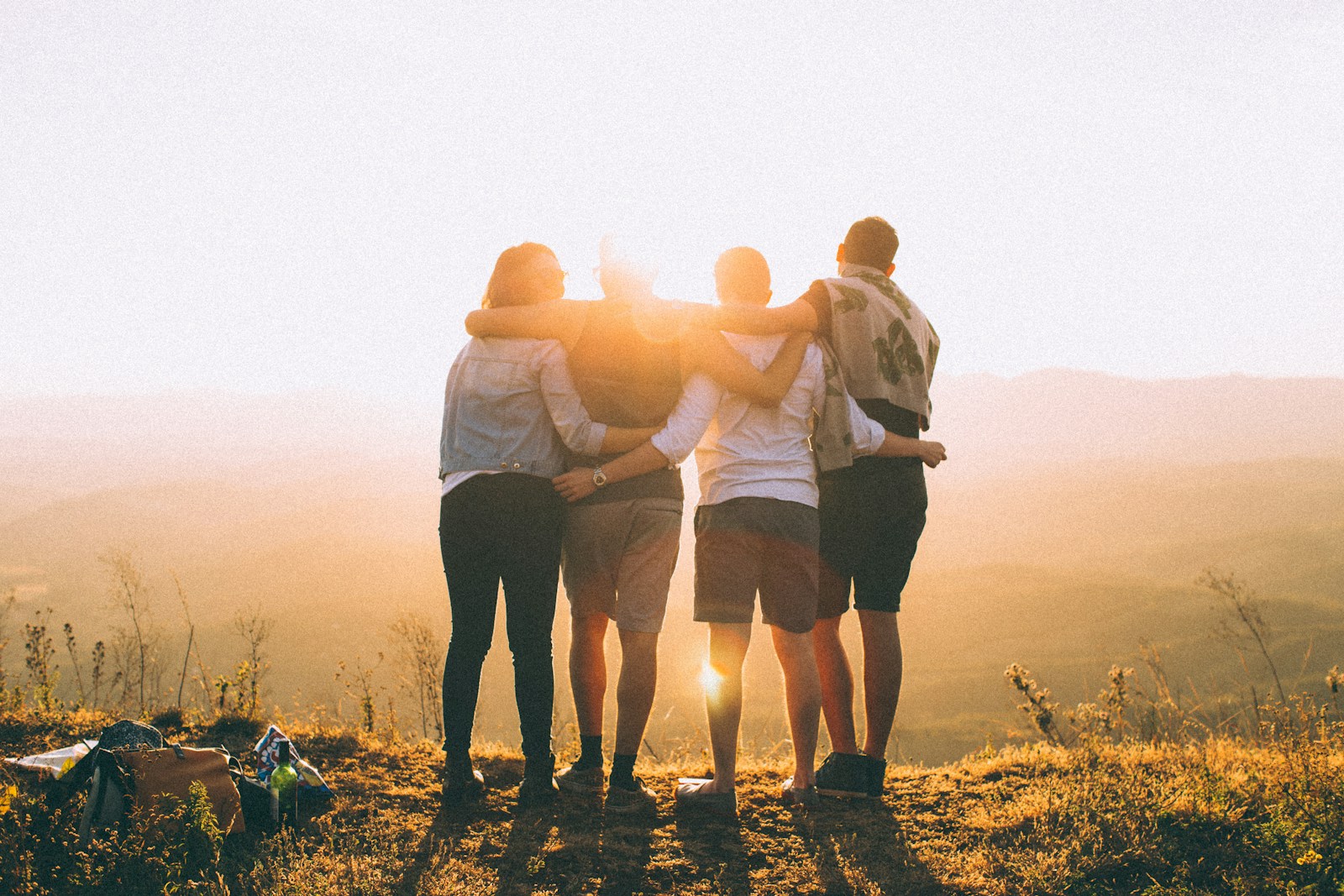
Photo by Helena Lopes; Unsplash