A Los Angeles entrepreneur turned a childhood love of funnel cakes into a fast-growing business run from home. What began as a pop-up on a front lawn now powers delivery, catering, and retail sales across multiple channels. The venture shows how a simple product, tight operations, and steady promotion can add up to strong revenue without a storefront or big investors.
From Side Hustle to Six Figures
The founder, identified here as Ashley, started with less than $1,000. She put up a tent outside her home and sold fresh funnel cakes to neighbors. People came back with friends. Word spread. Sales surged. She kept going, one weekend at a time.
After several years, she introduced a ready-to-make funnel cake mix that needs only water. She also added delivery and catering. Those steps grew sales across the board. In a recent year, she reported $400,000 in total income, with the pop-up alone contributing about $300,000 and the mix adding about $111,000 from stores, online channels, and social platforms.
She did it from a small home base. No restaurant lease. No investors. No large ad budget. The biggest tools were persistence, consistent product quality, and smart use of social media.
- Startup budget: About $700 for a tent, tables, chairs, and toppings.
- Typical volume: Around 300 orders per day during busy periods.
- Permits: Operated under a Cottage Food permit (about $250), with California’s MEHKO program as a new option to review.
- Overhead: About $7,000 per month, with food cost a little under 50%.
A Day in the Operation
By mid-morning, the delivery apps ping. Orders queue up for pickup and delivery. The team preps fruit, checks inventory, and warms the fryer. Ashley often runs errands to stock bulk supplies. The window to opening is tight, so every minute counts.
At home, orders arrive through DoorDash, Uber Eats, and Postmates. The system is simple: make the batter, heat the oil, fry to golden brown, top to order, and pack for travel. A heart-shaped mold is popular on holidays and birthdays, but it is not required for home cooks.
Speed matters. Funnel cakes cook fast and keep their crunch with the right process. Good prep allows dozens of tickets to move quickly. That speed and consistency help the business handle large bursts during peak hours.
The Mix: Simple, Customizable, and Ready in Minutes
Ashley’s mix is sold through a small network of independent stores and online. It needs only water and can be made in less than ten minutes. The mix was designed with flavor, texture, and presentation in mind. Clear packaging features real product photos, not generic artwork, to build trust and set expectations.
Each bag yields 8 to 10 funnel cakes. For one to two servings, a small portion of the mix is enough, then the bag can be sealed and saved for later. The batter target is smooth but not runny, with no lumps or bubbles. That control produces even strands when pouring. The goal is a crisp outside and a soft inside.
The mix has about 100 calories per 1/3 cup of dry mix, contains no high-fructose corn syrup, and already includes the dry ingredients needed. Water is the only addition. It contains egg and milk, a detail important for those with allergies. A dairy-free whipped topping is often used for certain orders, and a vegan version of the mix is in development.
How to Make It at Home
Many fans first try the product in their own kitchens. The tools are basic and affordable. A medium pan, tongs, a whisk, a bowl, and a way to control the pour is enough. Ashley shows three options for drawing the batter: a small funnel, a squeeze bottle, or any tool that lets the batter stream in a thin line.
Set the stove to medium-high and heat one cup of oil, or enough for the cake to float. Vegetable or canola oil works well. The pan size will decide how big the cake will be. When the oil is ready, cover the funnel or bottle opening with a finger, move over the pan, and start pouring.
“Step one, draw a star, a circle, and fill in the gaps.”
Watch for the edges to brown, then flip quickly. The cake should form tight ringlets. When both sides reach golden brown, shake off extra oil and plate it hot. Dust with powdered sugar. Add fruit, whipped cream, or chocolate drizzle. Build to taste. There are no rules here, only what tastes good.
Legal Setup and Staying Compliant
Running a food business from home is possible with proper permits. Ashley operates under California’s Cottage Food rules, which allow sales of approved items from a home kitchen after inspections and paperwork. Her permit cost about $250. She also points to California’s Microenterprise Home Kitchen Operations (MEHKO) program as an emerging path in some areas. Rules vary by city and county, so checking local regulations is key.
She also stresses the value of getting the business entity, tax registration, and address management handled early. Using a service to form an LLC and provide a business mailing address helps keep personal details private and reduces headaches. That frees time to focus on serving customers rather than managing forms.
How the Retail Placement Happened
Getting the mix into stores took persistence. Ashley made cold calls until she reached the right buyer. Then she offered an in-person demo and let the product speak for itself. The result was placement at Payless Foods. The mix has now held that spot for about two years and sells consistently. Other outlets include Miracle Market, Smoke 4 Less, TikTok Shop, and the brand’s website.
Small details built trust. The packaging shows a real photo of the finished product, shot by a hired photographer. The look is clean, and ingredients are plain to read. Shoppers can match what they see to what they make.
Bulk Buying, Inventory, and Cost Control
As volume grew, buying at local supermarkets no longer made sense. Ashley shifted to Restaurant Depot for bulk goods. That cut unit costs on high-use items like containers, gloves, and whipped topping. She compares prices at each trip and checks quality box by box. She rejects fruit that looks poor. Good berries and peaches change the entire dessert.
The numbers show how those choices pay off. A case of non-dairy whipped topping runs about $28 for 14 cans, or roughly $2 per can. The shop sells a whipped cream add-on for $2 per order, which recovers the cost quickly. Strawberries can run under $25 for a case of eight clamshells, though prices shift by season. That case lasts about three days.
Ice cream is a must for certain builds. The team prefers Thrifty’s brand. It holds its shape well and pairs with a hot, crisp cake without turning soggy too fast.
On one recent run, Ashley guessed a restock trip would total around $360, but the final receipt came in at about $202. That level of planning helps manage cash flow. With her daily sales, she said that bill can be recovered in an hour.
Delivery Changed the Game
Delivery brought the largest jump in reach. Early customers started sending notes about the texture holding up on drives of 15 to 20 minutes. That sparked requests to list the shop on major apps. Soon after, a platform called with an offer to help her join. Ashley then rolled out across DoorDash, Uber Eats, and Postmates for pickup and delivery.
The impact was swift. Being visible on high-traffic apps meant new people found the brand every day. Volume shot up and helped lift annual sales close to $300,000 for the pop-up arm alone. The mix moved through the same channels, including DoorDash add-on sales.
Speed is vital here too. Funnel cakes cook fast, order-to-bag. That keeps wait times short and ratings high. The team packs whipped cream and ice cream in separate containers for travel so customers can assemble at home. This keeps the cake crisp and the experience fresh.
Marketing Without a Big Budget
Ashley grew up with social media. She leaned on it instead of paid ads. She posted short, simple updates with her face on camera and a direct message to customers. She showed the work, the toppings, the sizzle, and the smiles. That authenticity built a community around the product and the person behind it.
“People don’t buy a product just to buy a product. They buy a product to support the person that created it.”
That approach encouraged word-of-mouth and repeat orders. It also led to bigger breaks. A casting director reached out about an entrepreneurial series called “Sixty Day Hustle” from the Sonic Gods brand. Ashley applied and joined the show’s second season on Amazon Prime, competing for $100,000. The series guided founders through pitching, marketing, and sales challenges, adding skills that helped organize and grow her mix business.
Community Roots and a Clear Mission
Long before the show, Ashley served her city. In 2014, she was crowned Miss Compton. She used the title to highlight needs in the area and to show a positive path. That drive now lives inside her funnel cake venture. She aims to make families feel welcome, bring people together, and support a local economy often weighed down by negative labels.
The business story mirrors that path. She moved from Section 8 housing to homeownership, all while paying her way through school and helping her younger sister do the same. She credits the community for showing up, spreading the word, and standing by the brand as it grew.
Catering, Presentation, and Taste Set It Apart
The brand’s repeat catering clients say a lot. The team has supported events for Kendrick Lamar and TDE at annual holiday giveaways. Other clients include Guess, Paramount Pictures, and Netflix. Event planners often look for desserts that travel well, present cleanly, and spark comments. Funnel cakes hit all three when built with care.
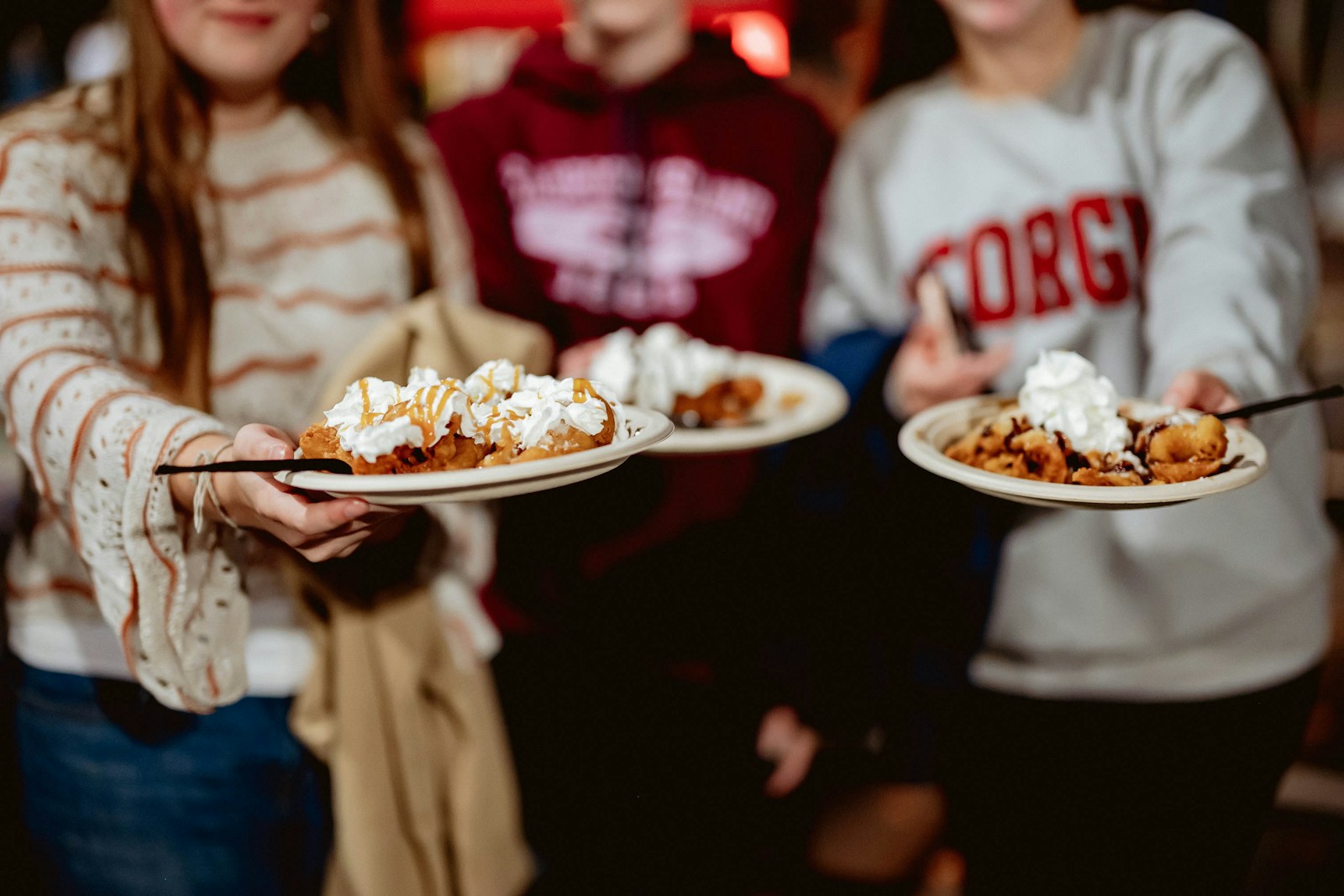
Presentation is one of the shop’s signatures. Cakes are dusted with sugar and layered with fruit and cream. Oreo Lover is a fan favorite. It uses Oreo Thins for a stronger crunch and double-stuffed cookies when deep-fried. Heart-shaped molds add a special touch for anniversaries and holidays, but the home version works fine without them. Even the in-shop shaker is chosen for how it lays strands for a perfect top view.
In the end, taste decides. The batter delivers a light crunch with a soft center. A fresh strawberry build keeps its structure under a scoop of vanilla. For a limited flavor idea, the team created a peach cobbler version with fresh peaches, a sprinkle of cinnamon, and a caramel drizzle. Small twists like that keep regulars curious and new customers impressed.
What the Pandemic Changed
When in-person lines slowed, Ashley shifted. She launched the funnel cake mix so families could re-create the treat without leaving home. She also ran orders from a ghost kitchen, a private facility designed for online pickup and delivery. Couriers came to the door, collected hot boxes, and hit the road. That model helped the business stay active during a tough time and opened a path for further growth.
Numbers That Matter
Behind the toppings, this is a business built on tracking and planning. Ashley set goals around overhead, food cost, and daily volume. With monthly overhead near $7,000, each menu choice needs to earn its keep. Fresh fruit is the most variable cost, so careful sourcing matters. Containers, bags, and seals for delivery add up too, but bulk pricing trims the burden.
She focuses on items with strong margin and low prep times. Funnel cakes meet both. Cooking time is short. Topping is fast. A crew can handle hundreds of orders across a long shift without stalling. That throughput drives revenue even when ticket sizes are modest.
Getting Into Stores: Cold Calls and Demos
There is no shortcut to retail shelves. Ashley dialed buyers one by one until someone picked up. She offered a live demo, showed the final product, and explained how customers would make it at home. Once the buyer tasted the cake and saw the packaging, the deal moved forward.
Two years later, the mix still sells “off the shelves” at local markets. Shoppers often discover the brand online and then look for it nearby. The combination of online discovery and physical availability supports repeat purchases and new trials.
Advice for Aspiring Food Entrepreneurs
Ashley’s advice is plain and direct. Start with what you have. Write down the idea. Say it out loud to people you trust. Ask for honest reactions. Look for a clear need and show how your product solves it. If a funnel cake stand can become a household brand without a formal shop, many other simple ideas can too.
- Pick a product you enjoy making and improving.
- Keep the recipe simple and repeatable.
- Limit prep time and cook time to serve more orders fast.
- Use social media to speak as yourself, not as a faceless brand.
- Track costs weekly and buy in bulk when volume supports it.
- Get proper permits and consider programs like MEHKO where available.
She also stresses that customers support people, not just products. Show your face. Share your story. Let people feel your energy and values. That connection can turn a one-time order into a regular habit.
What’s Next
The next chapter is already in motion. Ashley plans to launch a vegan version of the funnel cake mix in 2026. She is also working toward a first brick-and-mortar shop with a drive-thru in Compton. Longer term, she hopes to franchise the brand within three to five years. That path could let local owners bring the same hot-and-crisp experience to their own cities while keeping quality standards tight.
Meanwhile, the team continues to optimize at home. Storage space is limited, so the menu is tight. Two core ice cream flavors, vanilla and cookies-and-cream, support most builds without extra freezer strain. Daily prep finishes before opening so the crew can keep eyes on tickets once the orders land.
A Simple Product, Made Exceptionally Well
The idea works because it is clear and focused. The product is a childhood favorite. The recipe is fast. The toppings are bright. The presentation looks like a celebration. The message is consistent: bring the joy of a fair treat to your home or event, on any day of the week, without a long drive or a long line.
That clarity has paid real dividends. Fans on social media post photos. Neighbors stop by for a heart-shaped cake on a first date. Companies book the team for holiday parties. The mix ships to families who want to create the smell and the crunch in their own kitchens. Every slice of that demand adds up.
Most of all, it shows that a small start can go far with discipline and a cheerful brand voice. The founder’s journey from a pop-up outside a home to a six-figure, multi-channel operation is proof that drive plus a great dessert can be enough. It is not complicated. It is consistent, focused, and full of small details done right.
For anyone on the fence about starting, the advice is simple: write the idea down, learn the rules, make a clean product, and take the first order. The rest unfolds one day at a time.
Frequently Asked Questions
Q: What permits are needed to sell food from home?
Rules vary by location, but many areas allow limited home food sales with a Cottage Food permit. In parts of California, the MEHKO program offers another path. Always check city and county requirements before selling.
Q: How can someone start selling a mix like this to stores?
Begin with small, independent markets. Call buyers, request a brief meeting, and bring a live demo. Clear packaging, a simple recipe, and proven demand from local customers help convince store managers to take a chance.
Q: What helps funnel cakes travel well for delivery?
A thicker, well-drained cake holds up better. Keep toppings like whipped cream and ice cream in separate containers for customers to add at home. Use sturdy, vented packaging and work fast so orders leave while still hot.
Q: How much does it cost to get started on a small scale?
A basic setup can be a few hundred dollars for a tent, folding tables, a fryer or deep pan, tools, and starter ingredients. Begin with a lean menu, add delivery apps if allowed, and reinvest profits into better equipment and bulk supplies.