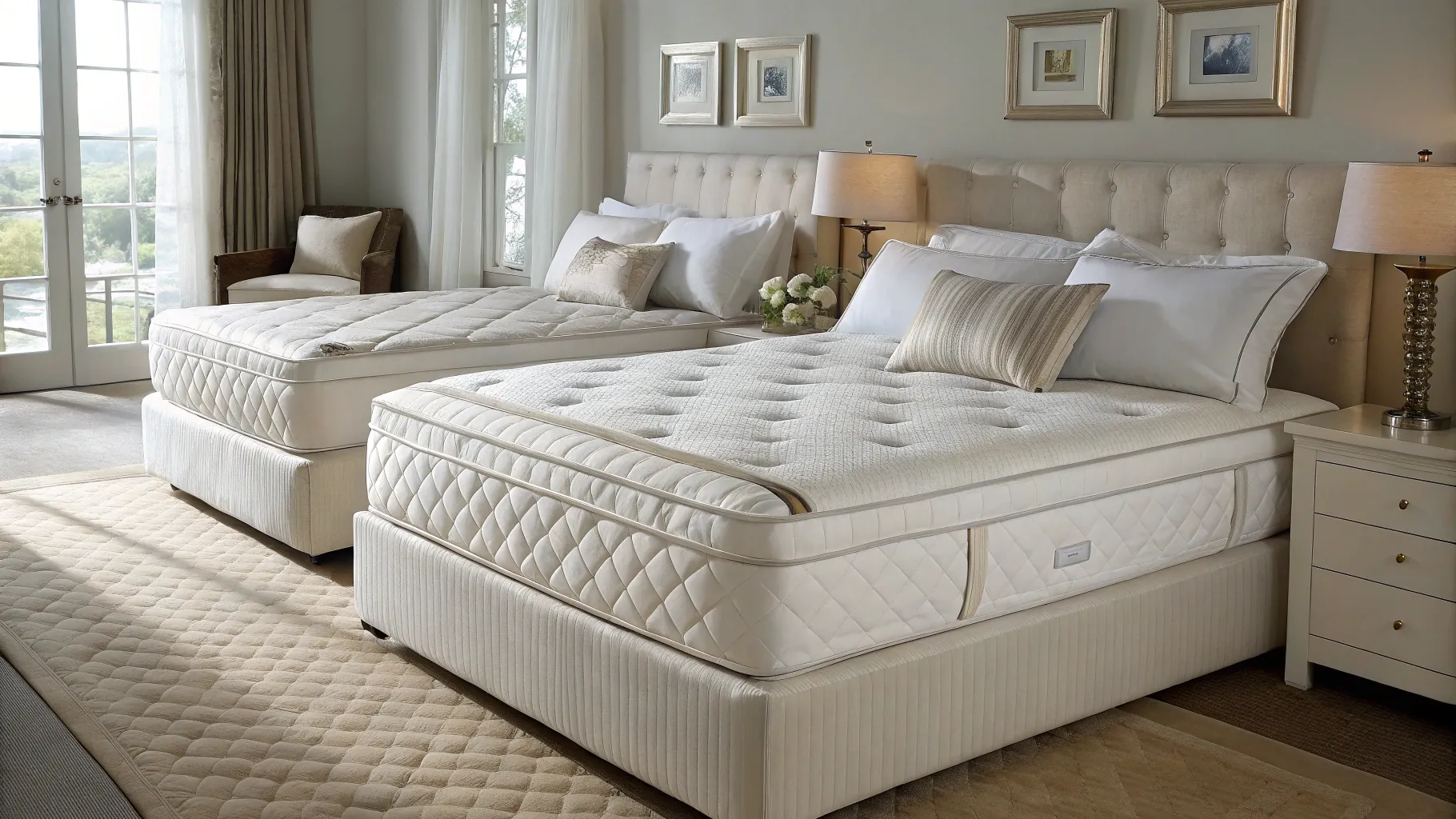
A team of sleep experts and product testers has identified a group of mattresses designed to help side sleepers rest better by easing pressure on shoulders and hips. The findings, shared recently, point to models that balance contouring comfort with stable support. The aim is to cut pain at common pressure points and improve sleep quality for people who prefer lying on their side.
The announcement matters for shoppers sorting through crowded options and marketing claims. Side sleeping is one of the most common positions, and it places unique demands on a mattress. The group says its picks reflect months of hands-on evaluations across materials, firmness levels, and prices.
“Our team of experts and testers have found the best mattresses for side sleepers to support better sleep and pressure relief at night.”
Why Side Sleepers Need Specific Support
Side sleepers often feel pressure building at the shoulders and hips. Without enough contouring, joints can dig into the surface, which may cause numbness or next-day soreness. Too much sink, however, can twist the lower back out of alignment.
Sleep specialists commonly recommend a medium to medium-soft feel for most side sleepers. That level helps the mattress hug curves while keeping the spine relatively straight. Materials matter as well. Memory foam gently molds to the body. Latex adds bounce and tends to sleep cooler. Hybrids combine foam comfort layers with coil cores for better airflow and edge stability.
How the Team Tested and Compared Models
The group’s process centered on repeatable checks intended to reflect real use. Testers assessed how each mattress handled pressure at the shoulder and hip, whether it kept the spine aligned, and how stable it felt when changing positions. They also considered temperature control and motion isolation for couples.
Across brands and price tiers, the testers focused on three questions: Does the mattress relieve pressure for a range of body types? Does it keep side sleepers supported through the night? Does it maintain comfort over time without deep impressions?
- Pressure mapping to identify hot spots under the shoulder and hip
- Spinal alignment checks using side-profile assessments
- Heat build-up tests after extended time in one position
- Motion transfer trials using weighted drops and partner movements
The team said models that blended contouring foams with supportive coil systems often performed best across categories. All-foam designs excelled at pressure relief and motion control, while hybrids earned strong marks for cooling and edge support.
Key Buying Factors for Side Sleepers
Comfort layers should cushion the shoulder and hip without collapsing. Look for foams or latex that compress under load but recover quickly when you shift positions. Zoned support can help keep heavier areas from sinking too much.
Cooling may be a deciding factor for warm sleepers. Hybrid builds, ventilated foams, and breathable covers can reduce heat retention. Those who share a bed may prefer thicker comfort layers for motion isolation.
Durability matters. High-density foams and quality coils resist early sagging. Shoppers should also weigh trial periods and return policies. A home trial offers time to confirm pressure relief after the break-in period.
Industry Trends and What Comes Next
Mattress makers have increased the number of models marketed to side sleepers. Many now include pressure-relief data and firmness scales to guide choices. Some brands use lab-based pressure maps in their sales materials, reflecting rising attention to pain reduction as a selling point.
Experts expect continued updates to foam chemistry and coil designs aimed at more targeted support. Cooling features will likely expand as consumers seek better temperature control without sacrificing cushioning. Hybrid models may keep gaining ground thanks to their balance of comfort and stability.
The testing group’s guidance offers a clear message: side sleepers benefit from mattresses that combine contouring with steady support. Their review points to options that ease hotspots while holding alignment, which can help cut nighttime discomfort. Shoppers should focus on pressure relief at the shoulder and hip, a medium comfort feel, and materials that keep the back supported through the night. As new models arrive, the same checks—pressure, alignment, temperature, and motion—will remain the best way to judge the fit for side sleepers.