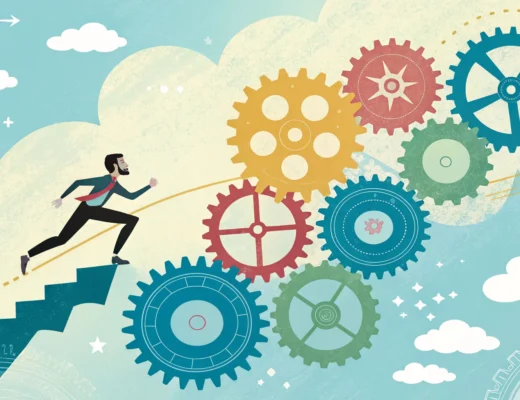
For most founders, the workday starts before they open a laptop.
It starts with the commute.
That may not sound like a major business variable, but it adds up quickly. A long, inconsistent commute drains time, focus, and energy before the real work even begins. For entrepreneurs who track output closely, that matters. The same founder who will optimize software, hiring, pricing, and workflow often treats the commute as fixed, even when it may be one of the easiest parts of the day to improve.
That’s part of why more young entrepreneurs are reconsidering how they get around. Not as a lifestyle flex, and not necessarily as a hobby, but as a practical decision about time, mobility, and mental clarity.
For some, that means swapping four wheels for two.
The Commute Is a Business Problem
Entrepreneurs tend to think in terms of inputs and returns. Time is finite. Attention is expensive. Friction compounds.
A bad commute quietly erodes all three.
It’s not just the minutes lost in traffic or on delayed public transit. It’s the mental cost of starting the day already overstimulated, already behind, already reacting. If your first hour is spent in stop-and-go traffic, searching for parking, or standing shoulder to shoulder on a packed train, you are not beginning the day with momentum. You’re recovering from the trip there.
That is why transportation is worth treating as an operational decision rather than a personal habit.
In many cities, motorcycles offer a more flexible commuting option than cars. They are easier to park, often cheaper to run, and far less cumbersome in dense urban environments. They also reduce one of the biggest hidden inefficiencies of city life: dead time between places.
For founders who work from coworking spaces, client offices, studios, warehouses, or shared work hubs, rather than one fixed corporate campus, that flexibility matters even more.
The Appeal Is Not Just Speed
Yes, motorcycles can reduce commute time. But speed is only part of the argument.
What many riders describe is something more useful: a cleaner transition into work.
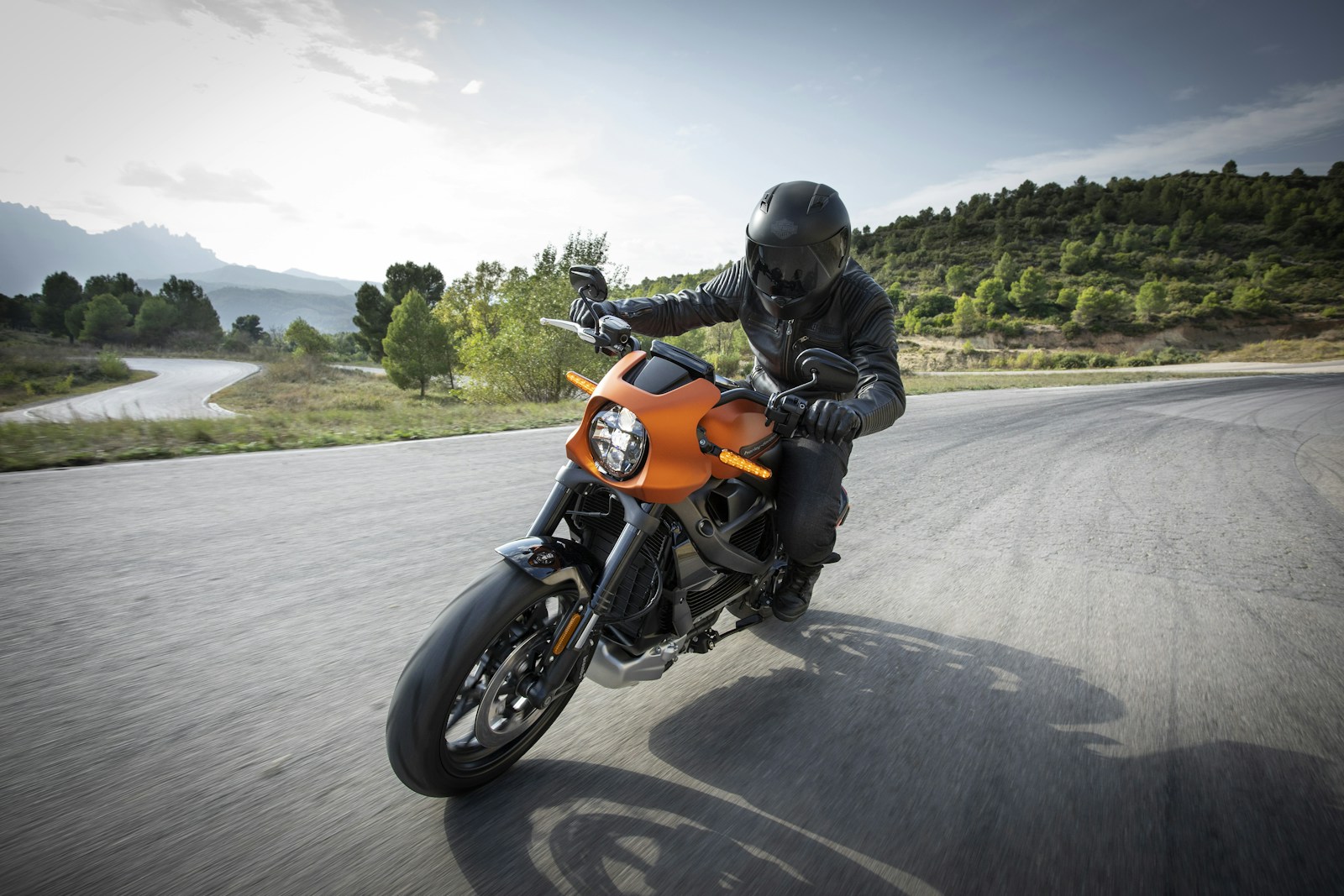
Motorcycle commuting demands attention. You are engaged with the road, the traffic around you, and the conditions in front of you. There is no doom-scrolling at a red light. No multitasking. No checking Slack while half-listening to a podcast. That level of focus creates a hard break between home mode and work mode.
For entrepreneurs, that can be unexpectedly valuable.
So much of modern work is mentally fragmented. The phone starts buzzing before breakfast. Messages pile up before the first meeting. By the time the day officially starts, many founders are already carrying everyone else’s priorities.
Riding interrupts that pattern.
It forces presence. You arrive more alert, often more grounded, and less mentally cluttered than you would after sitting passively in traffic. The return ride can do the same thing in reverse, giving your brain enough space to process the day before you walk back into the rest of your life.
For people building companies in high-noise environments, that kind of reset is not trivial.
Entrepreneurs Already Optimize Everything Else
Founders routinely optimize calendars, workflows, tech stacks, and sleep routines. They track metrics, audit subscriptions, automate low-value work, and redesign processes to remove drag.
The commute deserves the same scrutiny.
If you’re spending significant time and money just getting from one place to another, that’s not just a transportation issue. It is a quality-of-life issue and, in many cases, a productivity issue too.
That doesn’t mean a motorcycle is the right answer for everyone. But it does mean it’s worth evaluating on the same basis as any other business decision:
- Does it save time?
- Does it reduce friction?
- Does it improve day-to-day experience?
- Does the tradeoff make sense for the way you work?
For some entrepreneurs, the answer is clearly yes.
The Switch Is Practical but Not Casual
This is also where realism matters.
Motorcycling is not a shortcut around responsibility. If anything, it requires more of it.
You need proper training. You need to understand your local licensing rules. You need to invest in good gear. You need to accept that weather, road conditions, and route type all affect whether riding makes sense on a given day.
This is not about being impulsive. It’s about being intentional.
The most sensible way to approach it is the same way you would approach any tool that could improve performance: learn it properly, use it correctly, and understand its limits.
That includes safety gear. A good helmet is non-negotiable, and urban riders often gravitate toward setups that balance visibility, airflow, and comfort for stop-start city use, such as an open-face helmet. It is also worth understanding what helmet safety labels actually mean before you buy, because DOT, ECE, and other ratings are not interchangeable and they affect what is legal and appropriate for how you ride. The specifics will vary by rider and route, but the broader point is simple: if you are going to make the switch, do it properly.
Why It Resonates With Founders
There is a reason this option appeals to entrepreneurs more than people might expect.
Founders tend to have a higher tolerance for calculated risk, but they also have a strong instinct for systems that improve independence. They are often willing to adopt tools that look unconventional if the upside is tangible. A motorcycle can fit that mindset well: leaner, simpler, more direct, less dependent on infrastructure that fails under pressure.
It also aligns with a certain kind of personality.
Entrepreneurs rarely want more friction, more waiting, or more unnecessary complexity. They want movement. They want control over their time. They want fewer points of failure between intention and action.
That does not make motorcycles universally better. It just makes them especially compelling for a certain kind of person, particularly those working in creative, fast-paced, urban environments where mobility and clarity both matter.
Is It Worth Considering?
If your commute is short, simple, and inexpensive, maybe not.
But if you’re spending too much time stuck in transit, too much money storing a car, or too much energy starting and ending the day in low-grade chaos, it’s worth at least running the numbers.
This is not because motorcycles are trendy, or because founders need another identity marker. Rather, it’s because for some people, they solve a real problem.
That is usually where the best operating decisions come from. Not from novelty. From usefulness.
And for a growing number of young entrepreneurs, two wheels are starting to look less like a hobby, and more like a smarter way to move.